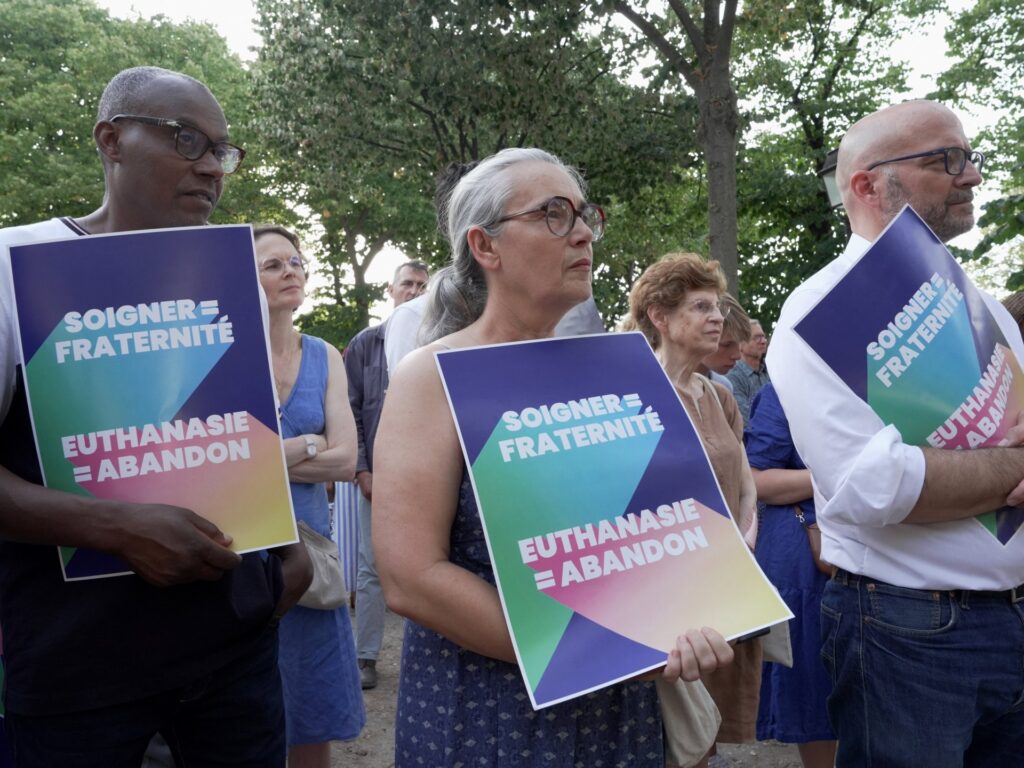
In a significant development in France’s legal landscape, the nation’s highest court has delivered rulings that have both upheld and struck down policies supported by President Emmanuel Macron. These decisions represent a complex mix of victories and setbacks for the French government and highlight the ongoing debates surrounding civil liberties and public health.
The French Conseil d’État, the supreme administrative court, recently confirmed the legality of the assisted dying law, which allows terminally ill patients to receive assistance in ending their lives under strict conditions. This law was a landmark piece of legislation championed by President Macron as part of his broader agenda to modernize and humanize France’s healthcare policies. The court’s ruling affirms the legal framework that supports patients’ rights to end-of-life choices, reinforcing the government’s commitment to compassionate care for those suffering from incurable diseases.
On the other hand, the court rejected a proposed ban aimed at prohibiting teenagers from accessing social media platforms during certain hours, a policy also backed by President Macron. The proposed ban was part of an effort to address the growing concerns about the effects of social media on young people’s mental health and well-being. However, the court found that the ban would infringe upon fundamental rights and freedoms, particularly freedom of expression and access to information.
This decision reflects the delicate balance between protecting youth from potential harms and preserving their civil liberties. The court emphasized the need for more nuanced approaches to managing social media use among teenagers, suggesting that educational and awareness programs might be more appropriate than broad legal restrictions.
President Macron’s dual support for the assisted dying law and the social media ban underscores his administration’s focus on addressing complex social issues with legislative measures. While the approval of the assisted dying law is a major victory, the rejection of the social media ban serves as a reminder of the challenges inherent in regulating digital spaces and the importance of upholding constitutional rights.
The rulings have sparked a wide range of reactions from different sectors of French society. Advocates for assisted dying have praised the court’s decision as a step forward in respecting patients’ autonomy and dignity. Meanwhile, civil liberties organizations have welcomed the rejection of the social media ban as a defense of fundamental freedoms.
Experts note that the court’s decisions highlight the need for continued dialogue between lawmakers, the judiciary, and the public to navigate the complexities of modern policymaking. Issues such as end-of-life care and internet regulation require careful consideration of ethical, legal, and social factors.
As France moves forward, the government faces the task of refining its approaches to both healthcare and technology policy in ways that balance competing interests and values. The decisions from the top court serve as a guide and a caution, illustrating the limits of legislative power and the role of judicial oversight in protecting citizens’ rights.
In summary, the French top court’s rulings represent a nuanced legal landscape where progress in some areas is tempered by setbacks in others. The upholding of the assisted dying law marks a historic step for patient rights and medical ethics, while the rejection of the teenage social media ban highlights ongoing debates about youth protection and freedom in the digital age.