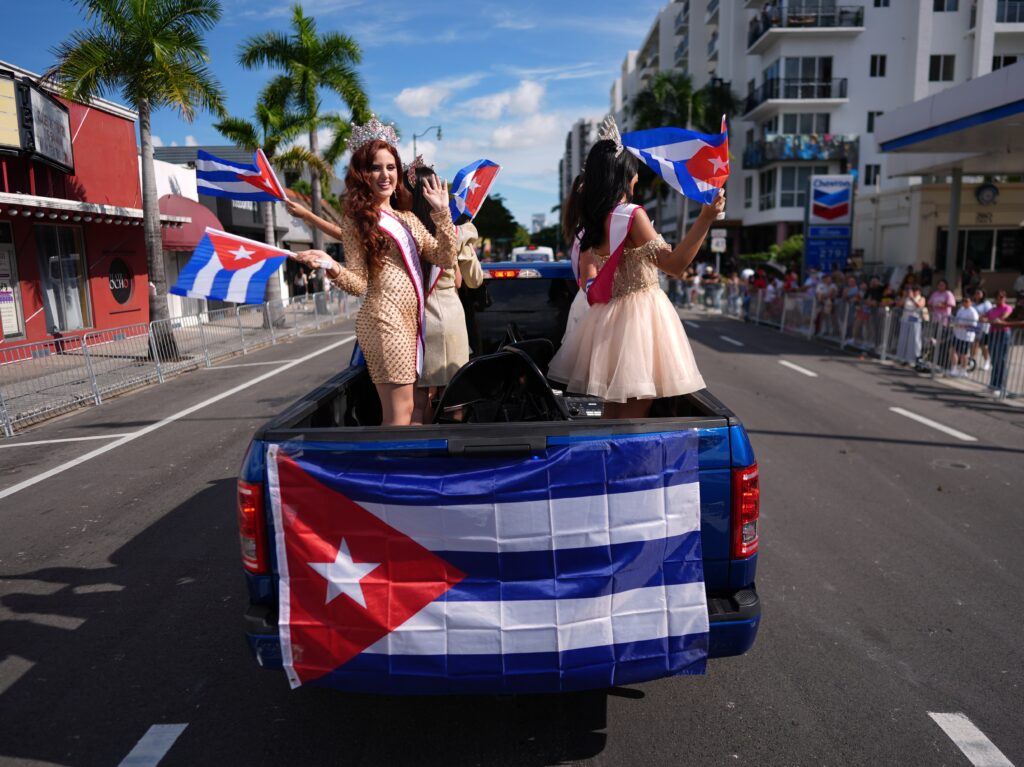
In the political landscape of South Florida, Cuban American voters have long played a pivotal role, often aligning with the Republican Party. This demographic, significant in number and influence, has been courted vigorously by Republicans, who understand their pivotal role in shaping election outcomes in the region.
Historically, the Republican Party has positioned itself as the party of anti-communism and strong national defense, themes that resonate deeply with many Cuban Americans who fled the communist regime in Cuba. This alignment has fostered a robust loyalty to the GOP, which has been perceived as a protector of their values and interests.
Recent polls, however, suggest a nuanced picture. While Cuban American voters largely remain aligned with the Republican Party, there is a growing undercurrent of frustration, particularly regarding the party’s stance on immigration. This issue resonates personally with many in the Cuban American community, who have experienced the complexities and challenges related to immigration firsthand.
Republican leaders in South Florida have been aware of this sentiment and have adapted their strategies accordingly. Campaigns have increasingly focused on addressing local concerns, emphasizing economic growth, public safety, and education, while also attempting to moderate the party’s rhetoric on immigration to avoid alienating this key voter base.
The GOP’s ability to maintain this vote bank has also been aided by strong community engagement and the presence of Cuban American politicians within the party ranks. These figures serve as bridges between the community and the broader Republican agenda, advocating for policies that resonate with Cuban American values and highlighting the party’s commitment to their interests.
Despite the emerging frustrations, there remains a sense of loyalty and identification with the Republican Party among many Cuban Americans. This loyalty is reinforced by fears of shifts in policy and ideology by the opposition, particularly the Democratic Party’s stance on socialism and economic policies, which many Cuban Americans view with skepticism.
The dynamics of this voter bloc are critical not only for local elections but also for state and national contests. Florida’s role as a swing state magnifies the importance of Cuban American votes, compelling Republicans to continually refine their approach to retain this demographic’s support.
In conclusion, while Cuban American voters in South Florida remain largely Republican, their growing concerns over immigration and other policy issues represent a challenge for the GOP. To keep the title ‘The Party of the Cubans,’ Republicans must address these concerns meaningfully while maintaining the core values that have traditionally drawn Cuban Americans to them. The evolving political landscape in South Florida will be a key battleground for influence, reflecting broader trends in American politics and the complexities of an increasingly diverse electorate.