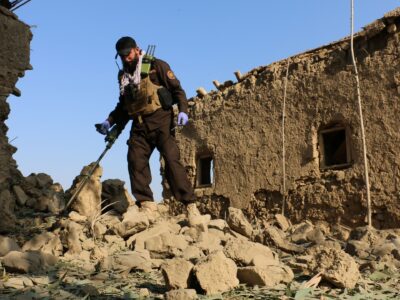
In recent years, the issue of settler violence in the West Bank has increasingly drawn international attention and concern. Human rights organizations warn that the violence perpetrated by Israeli settlers, often with tacit or overt state support, aims at displacing Palestinian residents and annexing their lands, exacerbating the longstanding Israeli-Palestinian conflict.
The Israeli government’s position on settler violence is fraught with contradictions. While officially condemning acts of violence, many officials have refrained from taking decisive actions to curb settler aggression. This ambivalence has fostered an environment where extremist settlers feel emboldened.
Settler attacks frequently target Palestinian homes, farmland, and communities, leading to injuries, destruction of property, and escalating tensions. Reports from various human rights groups highlight patterns suggesting that such violence is not isolated but part of a broader strategy to change the demographic and territorial status quo in the occupied West Bank.
Critics argue that the Israeli government’s failure to enforce law and order in these areas effectively enables settlers to operate with impunity. The security forces are often accused of either standing by during attacks or responding disproportionately against Palestinians, further fueling resentment and conflict.
The consequences of unchecked settler violence are profound. Palestinian communities experience increased insecurity, economic hardships due to loss of land and resources, and psychological trauma. The ongoing violence jeopardizes any prospects for peace negotiations and fuels cycles of retaliation.
International actors have repeatedly called on Israel to uphold its obligations under international law, protect civilian populations, and prevent settler violence. However, political realities within Israel, including coalition governments reliant on pro-settler parties, complicate efforts to hold perpetrators accountable.
Furthermore, settler groups themselves often view their actions as part of a legitimate effort to assert Jewish claims over the land, underscoring the deep religious and ideological dimensions of the conflict.
To address settler violence effectively, a multifaceted approach is required. This includes enforcing the rule of law impartially, demilitarizing settlements, protecting Palestinian rights, and fostering dialogue between communities.
Failure to confront settler violence not only undermines justice and human rights but also entrenches divisions and perpetuates instability in the region. The international community and Israel alike face critical choices in shaping a future where violence and displacement are no longer normalized.
In conclusion, Israel’s government cannot disown the issue of settler violence in the West Bank. The government’s responsibility to ensure the protection of all civilians within its control demands clear policies and actions to end impunity, uphold human rights, and work toward a sustainable peace that respects the dignity and rights of Palestinians and Israelis alike.