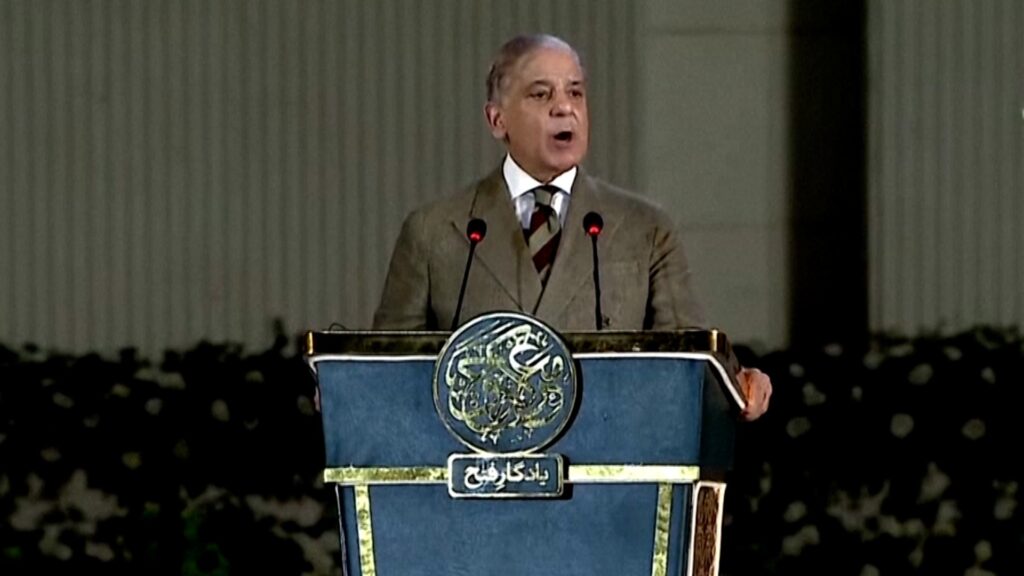
In a recent development that has escalated tensions between Pakistan and India, Pakistan Prime Minister Shehbaz Sharif issued a stern warning to India regarding the Indus Waters Treaty. Sharif accused India of illegally suspending the treaty, a move that Pakistan considers a serious violation and a threat to regional stability.
The Indus Waters Treaty, signed in 1960 and brokered by the World Bank, allocates water usage rights from the Indus River and its tributaries between the two countries. It has long been regarded as a crucial framework for cooperation and water resource management despite the often fraught political relationship between the neighboring states.
Prime Minister Shehbaz Sharif described the treaty as a “red line” for Pakistan, emphasizing that any unilateral actions by India to disrupt the agreement would be met with a strong response. He underscored the importance of the treaty in ensuring water security for millions of people in Pakistan and warned that tampering with the treaty could escalate tensions further.
The controversy began when Pakistan accused India of initiating constructions on the Chenab River, one of the key tributaries governed by the treaty, without Pakistan’s consent. India has argued that its projects are in compliance with the treaty’s guidelines and aimed at increasing hydroelectric power generation. However, Pakistan has rejected these claims, maintaining that such actions violate the treaty and threaten its water supply.
The dispute has caught international attention, with global water management and diplomatic circles urging both countries to uphold the treaty provisions to maintain peace and cooperation in the region. Analysts note that water conflicts, particularly in a water-scarce region like South Asia, have the potential to exacerbate existing tensions if not managed carefully.
Pakistan’s position is clear: the sanctity of the Indus Waters Treaty must be respected, and any perceived breach could provoke significant diplomatic and possibly strategic consequences. The Prime Minister’s warning signals a heightened alertness to India’s activities and a readiness to engage international forums to resolve the dispute.
India, for its part, maintains that the projects are lawful and necessary for its developmental needs. It insists that the treaty is being honored and stresses continued dialogue to address any disagreements.
As both nations navigate this complex issue, the international community watches closely, hopeful that diplomacy will prevail over conflict in preserving one of the world’s most important transboundary water agreements.