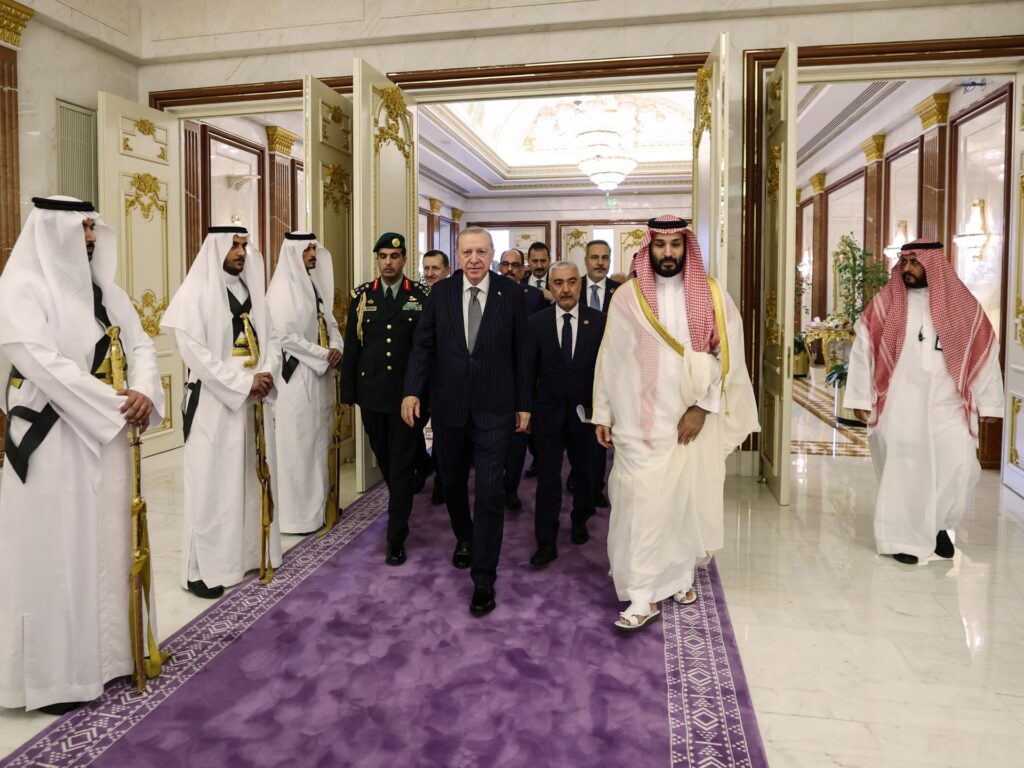
The establishment of mutual defence agreements is a long-standing tradition among nations seeking security through collective strength. Recently, a remarkable new pact has been forged between Turkiye, Pakistan, and Saudi Arabia, stipulating that an armed attack on any one of these countries would be considered an attack on all three. This agreement represents a significant development in regional security dynamics. To fully appreciate the importance of this pact, it is useful to explore the alliances that historically paved the way for such collective defence commitments.
Mutual defence alliances are strategic arrangements where member states agree to support each other militarily if any member is attacked. These pacts are often founded on shared interests, values, or common threats, serving as a deterrent to potential aggressors. Prior to the Turkiye-Pakistan-Saudi pact, several influential alliances exemplified this principle.
One of the earliest examples is the North Atlantic Treaty Organization (NATO), established in 1949. NATO’s core principle, enshrined in Article 5 of its charter, mandates collective defence, stating that an armed attack against one or more members is an attack against all. This alliance brought together Western nations in a unified front during the Cold War, deterring Soviet aggression and fostering political and military collaboration among members.
In the Middle East, various alliances have emerged based on geopolitical interests. The Gulf Cooperation Council (GCC), founded in 1981 by six Gulf states including Saudi Arabia, exemplifies regional cooperation in security matters. While not explicitly a mutual defence pact in NATO’s strict sense, the GCC aims to coordinate defense policies and enhance economic and political ties among its members, providing a framework for joint responses to threats.
Pakistan’s own alliances have historically influenced its defense strategy. The country was part of the Central Treaty Organization (CENTO) during the Cold War, which included Turkey and Iran, among others. CENTO aimed to contain Soviet influence and coordinate military efforts in the region. Although CENTO dissolved in the late 1970s, its spirit of collaboration among member states resonates in today’s agreements.
Turkiye has also been an active participant in global alliances. Beyond NATO, Turkiye has engaged in bilateral and multilateral agreements with Middle Eastern and Asian countries to ensure regional stability. Its strategic position at the crossroads of Europe and Asia makes it a vital player in contemporary security affairs.
The newly formed Turkiye-Pakistan-Saudi pact can be seen as a continuation and evolution of these preceding alliances. By explicitly declaring that an attack on one is an attack on all, the three countries aim to create a formidable deterrent against aggression. This mutual assurance strengthens diplomatic ties and enhances military cooperation, potentially impacting the regional power balance.
The pact’s formation is driven by a complex mix of geopolitical interests, including shared concerns about security threats, terrorism, and regional instability. The participating nations seek to consolidate their influence and safeguard their sovereignty by presenting a united front.
This alliance could also facilitate joint military exercises, intelligence sharing, and coordination in defense procurement, bolstering each country’s defense capabilities. It sends a clear message to adversaries that any hostile action will provoke a collective response.
In conclusion, the Turkiye-Pakistan-Saudi mutual defence pact is a significant milestone in regional alliance-building, drawing on the legacy of historical pacts like NATO, CENTO, and the GCC. It embodies the enduring principle that unity in defense strengthens national security and geopolitical standing. As global and regional dynamics continue to evolve, such alliances play a crucial role in shaping the strategic landscape and maintaining peace and stability.