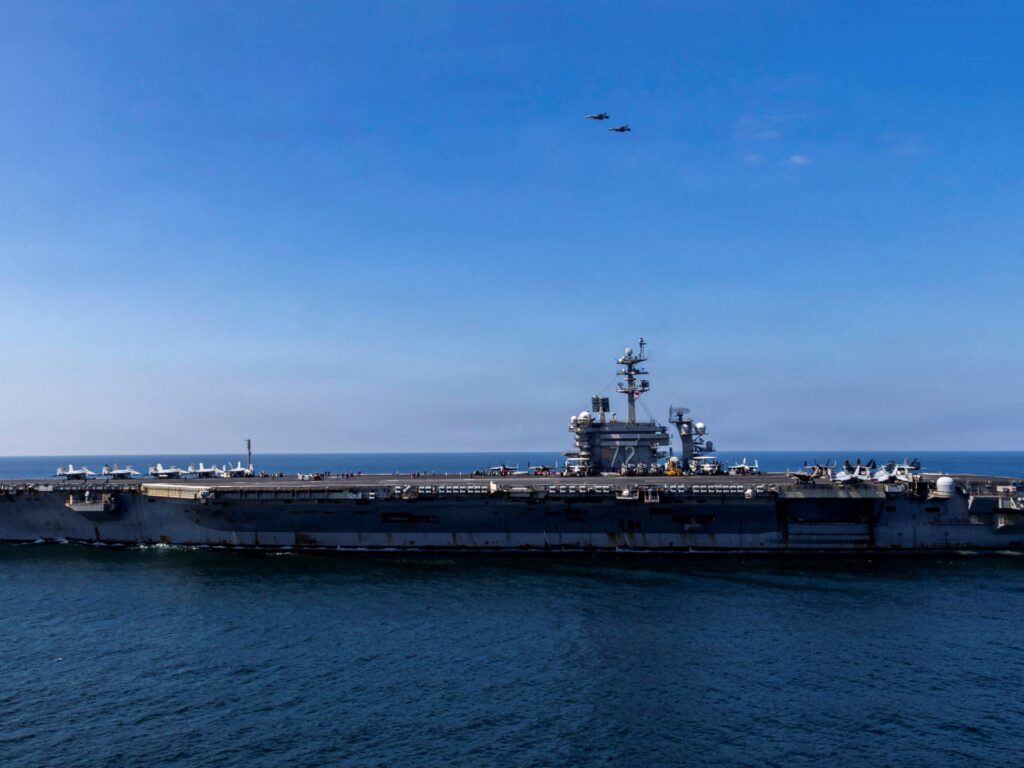
The United States Secretary of Defense, Pete Hegseth, recently asserted that the US Navy possesses the capability to sustain an ‘indefinite’ naval blockade against Iran. This strong statement comes amid growing tensions between the two nations and ongoing geopolitical conflicts in the Middle East. According to Hegseth, the naval forces are well-prepared and equipped to enforce a blockade that aims to restrict Iran’s maritime activities and pressure the Iranian government on multiple fronts.
The claim of sustaining an indefinite blockade, however, raises questions about operational realities. Reports have surfaced highlighting poor conditions faced by US Navy personnel involved in such missions, including logistical challenges, morale issues, and the strain of prolonged deployments. These factors naturally invoke debate about how long such an operation can effectively be maintained without significant adjustments or increased support.
Naval blockades are historically complex military operations requiring extensive resources, including constant patrols, supply chains, and intelligence support. The US Navy’s ability to patrol and enforce maritime boundaries in the strategic waters of the Persian Gulf and the Strait of Hormuz is critical but demanding. Even minor disruptions could jeopardize the blockade’s effectiveness.
Analysts suggest several factors will dictate the blockade’s duration: the US military’s logistical support, the evolving political landscape, potential international cooperation or opposition, and Iran’s responses, including possible military or asymmetric tactics. The prolonged stance could lead to heightened tensions and risk of unintended confrontations.
Economic considerations are also at play, as sustained blockades influence global oil markets and trade routes. The strategic intent behind the blockade is to curtail Iran’s economic capabilities, particularly its oil exports, which are vital for funding various programs and activities deemed threatening by the US and its allies.
In summary, while the US Secretary of Defense claims indefinite sustainability of the blockade, the reality involves a complex interplay of operational challenges, geopolitical risks, and economic implications. The duration and efficacy of this naval strategy will depend on adaptable military strategies, diplomatic efforts, and regional dynamics influencing both Iran and US policy moving forward.