A tragic accident occurred at a state-run hydropower project in Uttarakhand when water and debris burst into a tunnel due to a landslide, resulting in the death of seven individuals. The incident took place in a hydropower tunnel that is part of a significant infrastructure project aimed at harnessing the region’s water resources for energy production.
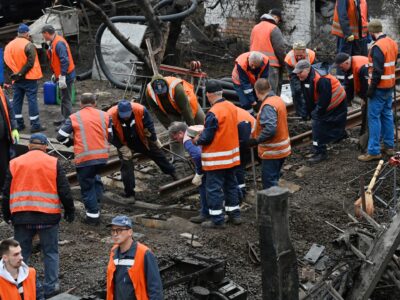
According to initial reports, heavy rainfall triggered a landslide which caused a sudden influx of water and debris inside the tunnel. The tunnel, typically a controlled environment for water flow and machinery, turned into a hazardous zone within moments, trapping workers inside. Rescue efforts were immediately initiated by local authorities and the disaster management teams.
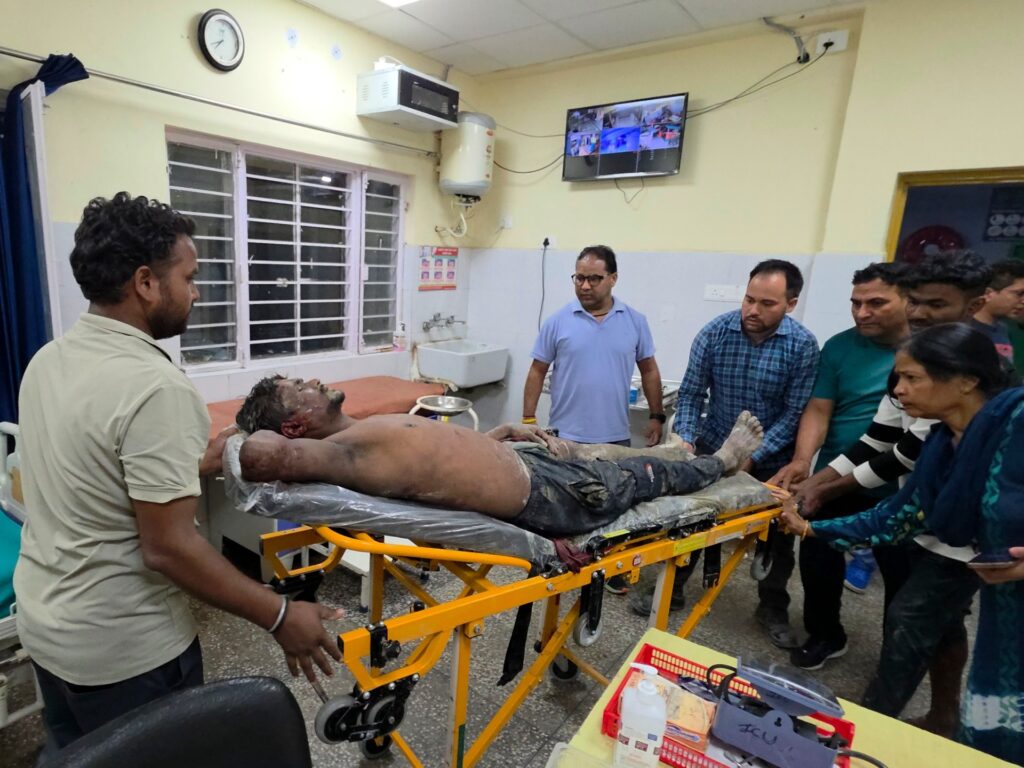
Emergency services rushed to the site, but adverse conditions complicated access and rescue operations. Despite their strenuous attempts, seven workers were found deceased, while others who were trapped are reported to be injured and have been rushed to nearby hospitals for treatment.
The hydropower project, managed by a state government entity, has been part of efforts to increase sustainable power generation in the region. However, the accident has raised questions about the safety measures and environmental risks associated with construction and maintenance activities in such geologically unstable areas.
Officials have launched an investigation to understand the precise causes of the landslide and to assess whether any lapses in safety protocols contributed to the tragedy. Discussions emphasize the need for enhancing disaster preparedness and implementing stronger safeguards for workers involved in hydropower and other large-scale infrastructure projects.
The incident has cast a somber mood over the community and underscores the dangers faced by workers in challenging terrains. It also highlights the urgent need to balance developmental ambitions with rigorous environmental and safety standards to prevent future catastrophes.
Authorities have extended support to the families of the deceased and promised a thorough inquiry to ensure accountability. The hydropower project’s continuation will depend on the findings from the investigation and improvements in safety measures to protect the workforce against similar disasters.
This accident serves as a grave reminder of the risks inherent in infrastructure development in ecologically sensitive zones, especially in mountainous regions susceptible to natural calamities like landslides and floods. Continuous monitoring, advanced risk assessment techniques, and community preparedness are critical components in mitigating such emergencies moving forward.