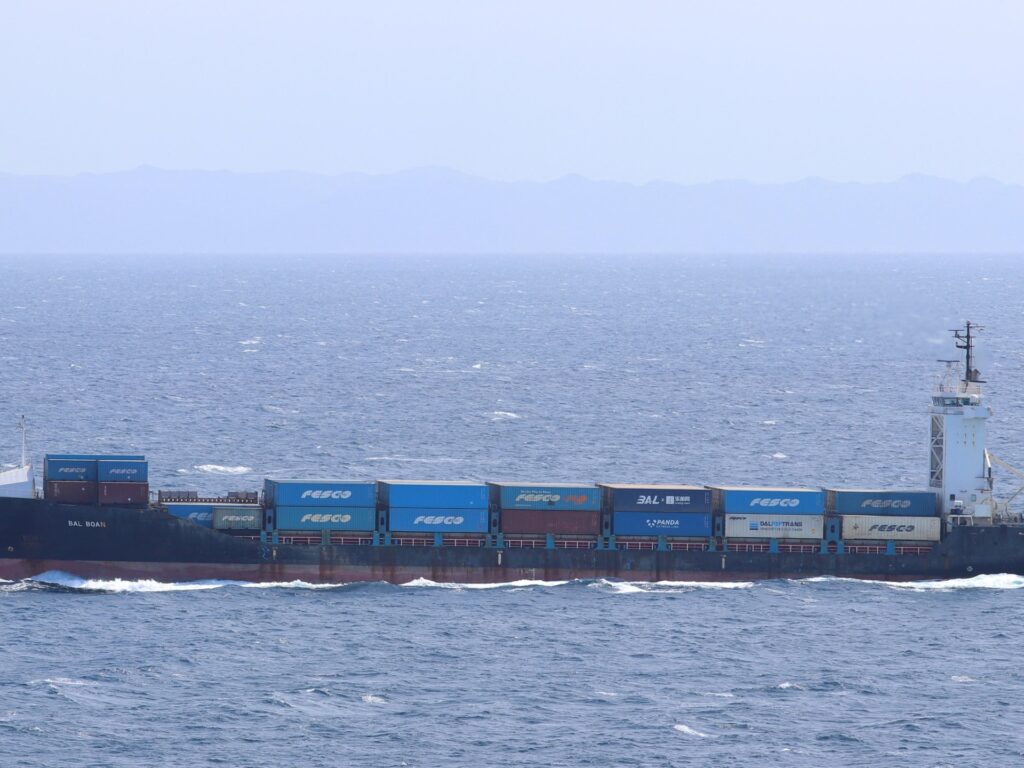
In a significant escalation reflecting the ongoing tensions between the United States and Iran, the US military reportedly fired upon a cargo vessel alleged to have sought to break the blockade imposed on Iran. Amidst a backdrop of stalled diplomacy, CENTCOM (United States Central Command) confirmed that a helicopter engaged the Panama-flagged vessel Vela Nova, specifically targeting its engine room.
The incident highlights the fragile and contentious nature of the situation in the region, where geopolitical disputes have intensified, and diplomatic channels have yet to yield substantial progress. The cargo vessel, Vela Nova, was identified as attempting to breach the restrictions imposed as part of the broader economic and strategic blockade on Iran, a measure aimed at curbing Iran’s activities.
CENTCOM’s statement indicated that the engagement was precise, with the helicopter targeting the engine room to disable the ship’s capabilities without causing unnecessary harm. This calculated action suggests an effort to impede the vessel’s movement while avoiding escalation that could lead to broader conflict.
The Panama flag on the Vela Nova points to the practice of flagging vessels under jurisdictions that may not be the actual operators, a common occurrence in international shipping to benefit from regulatory or legal advantages. This complicates the geopolitical implications of maritime actions.
The firing incident occurred during a period when diplomatic relations between the US and Iran remain deeply strained. Efforts to thaw relations or negotiate terms have stalled, leaving a vacuum often filled by military maneuvers and proxy conflicts.
Maritime security experts view the action as part of an ongoing pattern where both Iran and the US engage in aggressive postures through naval and aerial means to assert dominance and send political messages.
The Vela Nova incident underscores the risks of miscalculation that could escalate into armed conflict, emphasizing the need for renewed diplomatic engagement. Experts warn that continued military confrontations at sea risk wider regional instability, impacting global shipping lanes crucial for energy supplies and international trade.
International responses to the incident have been cautious, with calls for restraint and de-escalation. The United Nations and various governments have urged both parties to return to dialogue and avoid actions that could provoke further conflict.
In conclusion, the US military’s firing on the Vela Nova cargo vessel marks a tense chapter in the ongoing US-Iran standoff. As diplomacy remains stalled, military actions at sea continue to reflect the deep divisions and strategic calculations at play. The global community watches closely, hoping for a peaceful resolution to avoid further escalation and maintain stability in a volatile region.