In a recent development, diplomatic negotiations between Iran and the United States concerning the strategic Strait of Hormuz have encountered new hurdles as both nations have introduced fresh conditions to the ongoing discussions. This turn in talks holds significant implications for global energy markets and geopolitical stability.
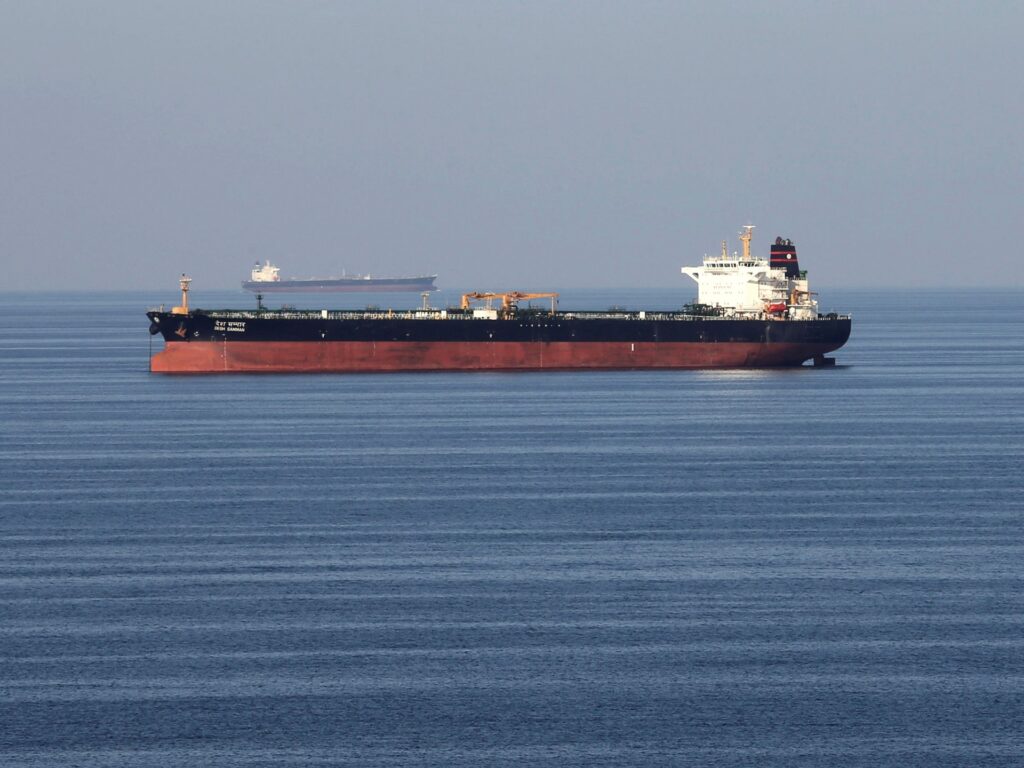
The Strait of Hormuz is a critical chokepoint through which a substantial portion of the world’s oil supply is transported. Any disruption in this narrow passage has far-reaching consequences, potentially affecting oil prices and the global economy. The renewed talks were aimed at reopening this crucial maritime route, which has been a focal point of tension due to geopolitical conflicts and security concerns.
However, the current negotiations have stalled because of competing demands from both sides. Iran has articulated specific conditions that it requires to be met for cooperation, while the United States has also insisted on stipulations that reflect its strategic and security interests in the region. This impasse has slowed progress, casting doubt on the immediate prospects for the strait’s reopening.
The impact of this deadlock is already evident in the surge of oil prices. Markets are responding to the uncertainty and potential risks associated with restricted supply routes. Higher oil prices often translate to increased costs for products and services worldwide, influencing everything from transportation to manufacturing.
Analysts warn that prolonged stalemate in the talks could further exacerbate tensions and volatility in the energy sector. The competing conditions highlight the complexities of diplomacy in a region marked by deep-seated rivalries and strategic interests.
For the international community, these developments signal the need for cautious engagement and a balanced approach to ensure freedom of navigation and stability in the Strait of Hormuz. Stakeholders are watching closely as any escalation could disrupt not only oil shipments but also broader economic and security dynamics.
In summary, the introduction of new conditions by Iran and the US in the Hormuz Strait talks underscores the challenges in resolving longstanding disputes. With oil prices already reacting to the stalled negotiations, the global economy faces uncertainty while efforts to secure this vital waterway remain fraught with difficulties.