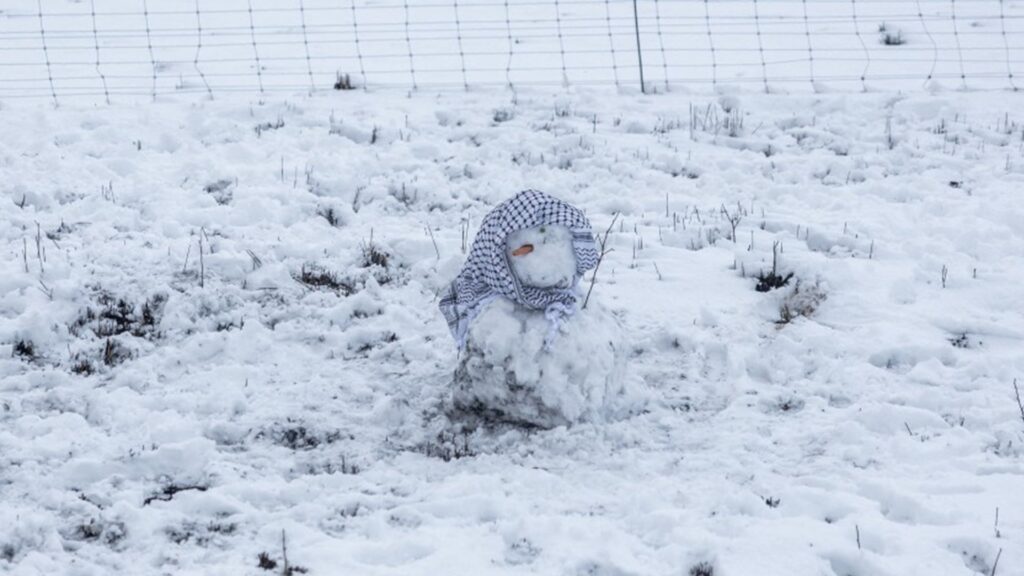
As winter in the Southern Hemisphere approaches its end, parts of southern Africa have witnessed an unusual late-season snow event. Snowfall has been reported across regions in South Africa and Lesotho, surprising residents and meteorologists alike. This rare weather phenomenon contrasts sharply with conditions in the Northern Hemisphere, where intense heatwaves and widespread wildfires are gripping many areas.
The snowfall in southern Africa occurred at elevations typically prone to colder temperatures, such as the Drakensberg Mountains and other higher-altitude locales. The late snow disrupted normal winter patterns and brought both challenges and opportunities, from transport delays to a boost for local tourism and agriculture that benefits from the additional moisture.
Meteorologists explain that the cold air masses interacting with moisture in the atmosphere led to the unexpected snow event. Although snowfall in these parts during winter is not uncommon, it usually occurs earlier in the season. The occurrence towards the end of winter indicates fluctuations in weather patterns possibly linked to broader climatic changes.
Local communities responded to the snow with a mix of surprise and excitement. In South Africa, residents in affected areas shared images on social media, depicting snow-covered landscapes – scenes rarely witnessed in these regions. Schools and transport services had to adapt quickly, ensuring safety in response to slippery and potentially hazardous conditions.
In Lesotho, known for its mountainous terrain, the snowfall was a welcome sight. The country relies on its winter snowmelt to replenish water sources, and the late snow will contribute positively to water reserves. Farmers expressed cautious optimism, noting that the moisture from the snow could benefit crops in the coming growing season.
Meanwhile, the Northern Hemisphere is enduring a starkly different scenario. Countries in Europe, North America, and parts of Asia are experiencing record-breaking temperatures, leading to severe heatwaves. These heatwaves, combined with dryness, have fueled widespread wildfires, causing significant environmental damage and impacting millions of people.
Scientists caution that such contrasting phenomena underscore the complexity of global climate systems. While one hemisphere experiences cold snaps, the other can simultaneously undergo extreme heat. The juxtaposition highlights how global warming is influencing weather patterns in unpredictable ways, making forecasting more challenging.
Environmental groups emphasize the importance of preparedness and climate resilience in the face of these anomalies. Authorities in southern Africa are urged to monitor the changing weather closely, providing communities with updated information and resources to handle sudden weather shifts.
Experts also stress the need for global cooperation to tackle the root causes of climate change. Reducing greenhouse gas emissions and investing in sustainable infrastructure can help mitigate extreme weather events, protecting vulnerable populations worldwide.
As southern Africa wraps up its winter season with this unexpected snow, the rest of the world watches keenly, recognizing the broader implications for climate health and human adaptation. The late-season snow serves as a reminder of nature’s unpredictability and the urgent need for coordinated climate action worldwide.