In contemporary India, a unique generational clash is unfolding within homes where families are divided over political allegiances and visions for the country’s future. The younger generation, often referred to as Gen Z, is increasingly challenging the ideologies held by their parents, many of whom are ardent supporters of Prime Minister Narendra Modi and the Bharatiya Janata Party (BJP).
A striking example of this divide is reflected in candid statements such as “My father is in RSS,” signifying a personal and ideological confrontation within families. The RSS, or Rashtriya Swayamsevak Sangh, is a right-wing, Hindu nationalist volunteer organization closely linked with the BJP. For many parents, affiliation with the RSS and support for Modi’s government aligns with traditional values and national pride.
However, children from these households often represent a contrasting worldview. Gen Z Indians are increasingly vocal about their desire for reforms in education and social policies that reflect inclusivity and progressive values. They demand a shift away from what they perceive as a divisive politics of hate propagated by ruling powers.
This generational conflict is shaped by various factors: exposure to global ideas through social media, access to diverse viewpoints in urban and educational settings, and a broader awareness of human rights and democratic values. Young people question the narratives they grew up with, grappling with the implications of politics that intertwine religion and governance.
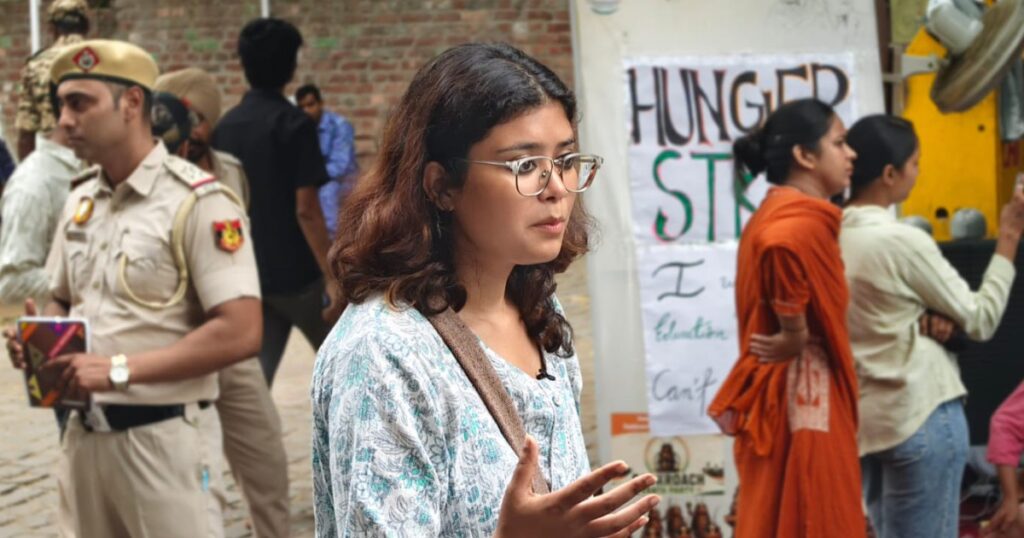
Education reform is a central issue for these young activists and students. Many criticize the current curriculum for promoting a singular worldview that aligns with Hindu nationalist ideology, calling instead for a more secular, pluralistic, and critical approach to history and social studies. They advocate for educational spaces that encourage debate, science-based learning, and respect for diversity.
The rejection of hate politics is another poignant theme. Gen Z in India increasingly resists discriminatory rhetoric and violence linked to caste, religion, and minority rights. Movements led by youth are organizing protests, social campaigns, and discussions aimed at fostering unity and combating intolerance.
Families are experiencing real tensions, with conversations turning into disagreements and, in some cases, estrangement. While parents emphasize loyalty to the nation and cultural heritage, their children often view such stances as exclusionary and undermining democratic ideals.
The political climate surrounding Modi’s leadership has intensified these familial debates. The BJP’s dominance and its close association with the RSS have created an environment where political identity is deeply personal and sometimes polarizing.
Despite the tensions, there are pockets of dialogue and attempts at understanding. Some families strive to bridge gaps by engaging in conversations that respect differing opinions while exploring common values such as love for the country and desire for peace.
This generational split in India reflects a broader global pattern where youth challenge established norms and advocate for progressive change. In India, the contest between Gen Z’s aspirations and their parents’ traditional loyalties highlights the ongoing evolution of democracy in the world’s largest democracy.
As these young Indians continue to push for reforms and reject politics centered on division and fear, the nation stands at a crossroads. The outcome of this intergenerational dialogue will shape the socio-political landscape for years to come, influencing how India defines its identity amid changing global and domestic realities.
Ultimately, ‘‘My father is in RSS’’ is more than a statement; it’s a window into the hopes, struggles, and transformations of a new generation determined to redefine their country’s future while navigating the complex legacies of the past.