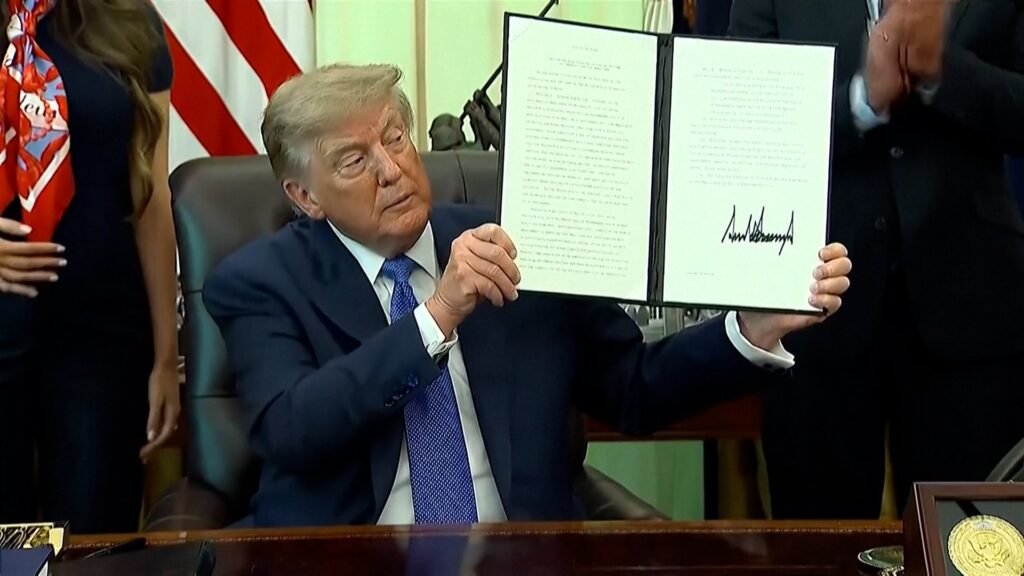
In a recent and controversial move, US President Donald Trump signed an executive order aimed at reducing the number of childhood vaccinations. This directive calls for fewer vaccinations overall and specifically instructs health officials to consider splitting up the combined Measles, Mumps, and Rubella (MMR) vaccine into separate shots, rather than administering them simultaneously as is standard practice.
The executive order has sparked significant debate among medical professionals, public health experts, and parents alike. Proponents of the order argue that it provides more choice to parents who are concerned about the number of vaccines their children receive at once. Some parents have expressed worries over vaccine safety and potential side effects, and this order is presented as a way to address those concerns through a more individualized vaccination schedule.
However, the move has been met with strong criticism from the scientific community and many health authorities. Experts emphasize that the current vaccination schedule, including the combined MMR vaccine, is based on extensive research and proven to be safe and effective. Splitting the MMR vaccine could lead to lower vaccination rates and increased risk of outbreaks of these preventable diseases.
The Centers for Disease Control and Prevention (CDC) has reiterated that vaccines are rigorously tested and continuously monitored for safety. They warn that deviating from established vaccination protocols might expose children and communities to greater health risks.
Critics also stress that this executive order could undermine public confidence in vaccination programs, potentially reversing decades of progress made in controlling and eliminating serious infectious diseases.
This policy shift occurs amid a broader national and global conversation about vaccine hesitancy and misinformation, which health officials say endangers public health.
In conclusion, President Trump’s executive order calling for fewer childhood vaccinations and the splitting of the MMR vaccine represents a significant and controversial change in US public health policy. While intended to give parents more control over their children’s healthcare, the decision raises concerns about vaccine safety, disease outbreaks, and the overall impact on community immunity.