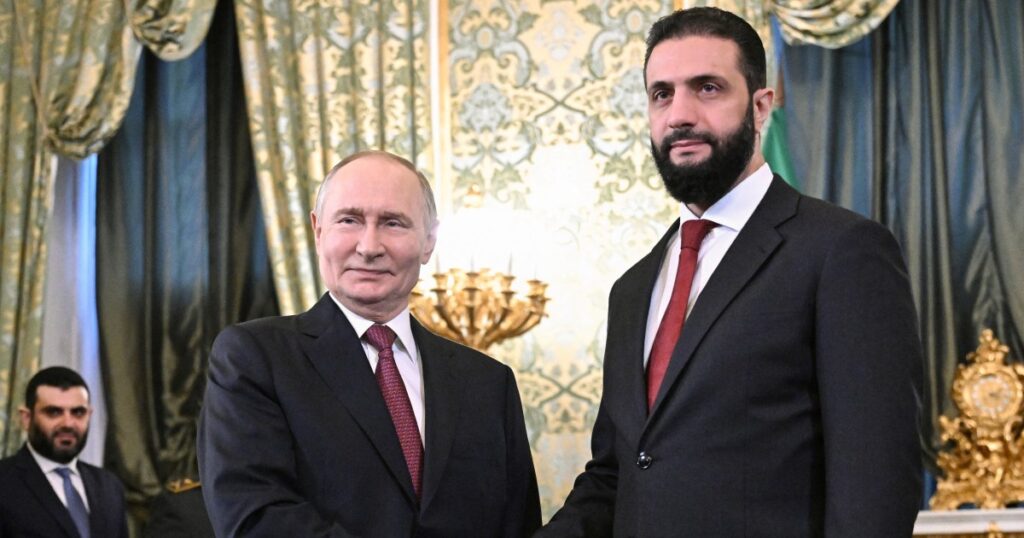
The recent Syria-Russia accord marks a significant development in the complex geopolitical landscape of the Middle East. This agreement is not just a routine diplomatic move but a pragmatic reflection of evolving alliances and necessities between the two countries.
Traditionally, Syria has been a pivotal ally of Russia in the region, with Moscow providing military support during the Syrian civil war. This support helped the Syrian government regain control over much of the territory contested by various opposition groups. The new accord deepens this relationship, emphasizing mutual benefits and shared strategic interests.
At the heart of the agreement lies a recognition of mutual dependency. Syria relies on Russia for military aid, economic assistance, and political backing on the international stage. Conversely, Russia views Syria as a critical foothold in the Middle East, ensuring access to strategic military bases such as the naval facility in Tartus and the Khmeimim airbase.
The deal signals a pragmatic shift from ideological allegiance toward practical cooperation. It acknowledges the long-term presence of Russia in Syria, reinforcing Moscow’s influence amid Western disengagement in the region. This marks a realignment away from past alliances that were often fragmented and inconsistent, towards a more stable and clearly defined partnership.
Geopolitically, the accord may impact the broader regional balance of power. It reinforces Russia’s role as a key power broker in Syria and the Middle East, challenging U.S. and allied influence. The agreement could also influence the dynamics of conflicts in neighboring countries, given Syria’s central location and its network of alliances.
Economically, the accord opens pathways for Russian investment and reconstruction efforts in a war-torn Syrian economy. With Syrian infrastructure devastated by years of conflict, Russian involvement could facilitate rebuilding projects, resource extraction, and energy cooperation, cementing deeper economic ties.
From a Syrian perspective, the accord offers a lifeline to a nation grappling with immense destruction and political isolation. Partnering with Russia may provide the government with the resources it needs to stabilize the country and regain international stature, even if significant challenges remain.
In summary, the new Syria-Russia accord reflects a calculated and pragmatic approach by both nations. It underscores the idea that in today’s complex and shifting geopolitical environment, traditional alliances are being redefined to serve mutual survival and strategic advantage. This partnership is not merely about politics but about the interdependence that shapes their future in an unpredictable world.