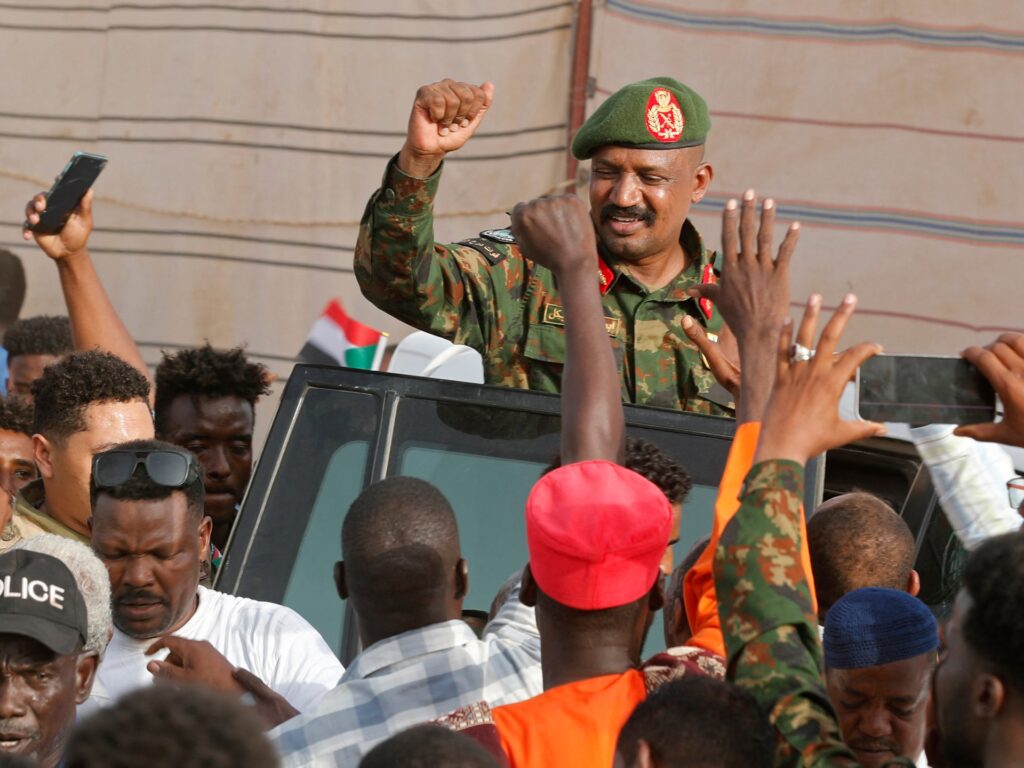
In a recent escalation of conflict in Sudan’s western territories, the national army has effectively repelled a series of offensives by the Rapid Support Forces (RSF) paramilitary group. This development marks a potential turning point in control over Western Sudan, a region of strategic and political significance.
The clashes between Sudan’s military and the RSF have intensified over the past weeks, with both sides vying for dominance in key areas. Western Sudan, known for its complex ethnic tapestry and resource-rich landscape, has been a flashpoint in the broader struggle for power and governance in the country.
According to military sources, the Sudanese army launched coordinated operations that successfully pushed back RSF advances. These operations focused on regaining control of critical transport routes and supply lines, which are vital for maintaining territorial integrity and ensuring the flow of goods and military assets.
Local officials report that these victories by the army have restored a degree of stability to some towns and communities that were under threat from paramilitary incursions. The military’s assertive stance has been praised by certain civilian leadership factions and regional actors who seek a return to state authority and order.
The RSF, formerly aligned with government forces but now acting as a powerful paramilitary faction, has denied permanent loss of territory and vows to continue its campaigns in Western Sudan. Analysts warn that while the recent army successes are significant, the conflict is far from over, with the potential for prolonged instability.
International observers have expressed concern over the humanitarian impact of ongoing clashes. Displacement of local populations, disruption of markets, and violence have compounded the challenges facing Western Sudan’s residents.
The strategic importance of controlling Western Sudan extends beyond the immediate conflict. The region’s borders with neighboring countries make it a crucial gateway for trade and security operations. As such, governance over this area directly affects regional stability and international relations.
Historically, Western Sudan has experienced marginalization and underdevelopment, factors that have fueled grievances and armed resistance. The current military offensive reflects both a response to security threats and an assertion of central government authority.
International diplomatic efforts continue, aiming to bring warring parties to negotiations to end the violence and establish a durable peace mechanism. The unfolding dynamics in Western Sudan remain a key indicator of Sudan’s trajectory toward stability or further fragmentation.
In summary, the Sudanese army’s recent success in repelling RSF offensives has temporarily shifted control in Western Sudan back into government hands. However, ongoing tensions and the RSF’s continued resistance underscore the complexity of the conflict and the challenges ahead for peace and reconstruction in the region.