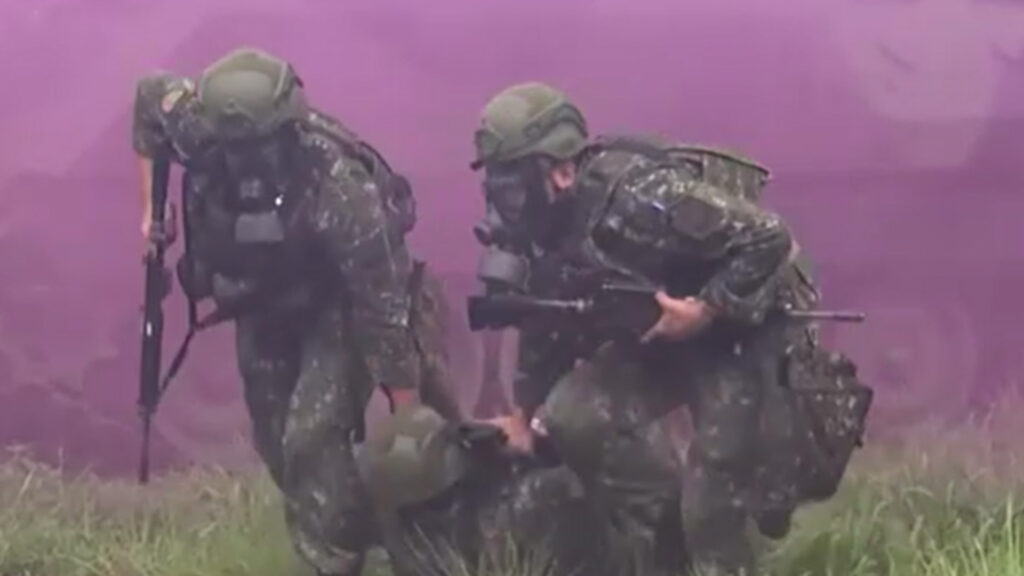
Taiwan has recently conducted a series of extensive military drills to enhance its defensive capabilities in preparation for a potential invasion by China. These maneuvers come amid escalating tensions in the Taiwan Strait, as China has increased its military presence and assertiveness around the island, which it claims as part of its territory.
The Taiwanese government has emphasized the importance of maintaining robust defense readiness in the face of growing security challenges. The drills included live-fire exercises, simulated amphibious assaults, and rapid mobilization scenarios involving thousands of troops and advanced military equipment. Officials stated that these exercises are aimed at improving coordination among different branches of the armed forces and testing their ability to respond quickly and effectively to any aggression.
The geopolitical climate surrounding Taiwan has become increasingly volatile, with China conducting frequent military flights and naval patrols near the island. This has raised international concerns over the possibility of a conflict that could destabilize the region. Taiwan’s military drills serve as a clear message of deterrence, signaling their preparedness to defend their sovereignty.
In addition to physical preparedness, Taiwan has sought to strengthen its international alliances and seek diplomatic support from countries like the United States, Japan, and members of the European Union. These partnerships are crucial for Taiwan’s security and provide a strategic counterbalance to China’s ambitions.
Analysts suggest that Taiwan’s proactive defense measures are necessary to cope with the dynamic and often unpredictable nature of cross-strait relations. As China continues to expand its military capabilities, Taiwan’s drills demonstrate a commitment to safeguarding its democratic system and way of life.
The situation remains fluid, and both sides continue to engage in a complex mix of military posturing and diplomatic signaling. The world watches closely as Taiwan braces itself for any potential escalation, emphasizing the importance of peace and stability in the Indo-Pacific region.