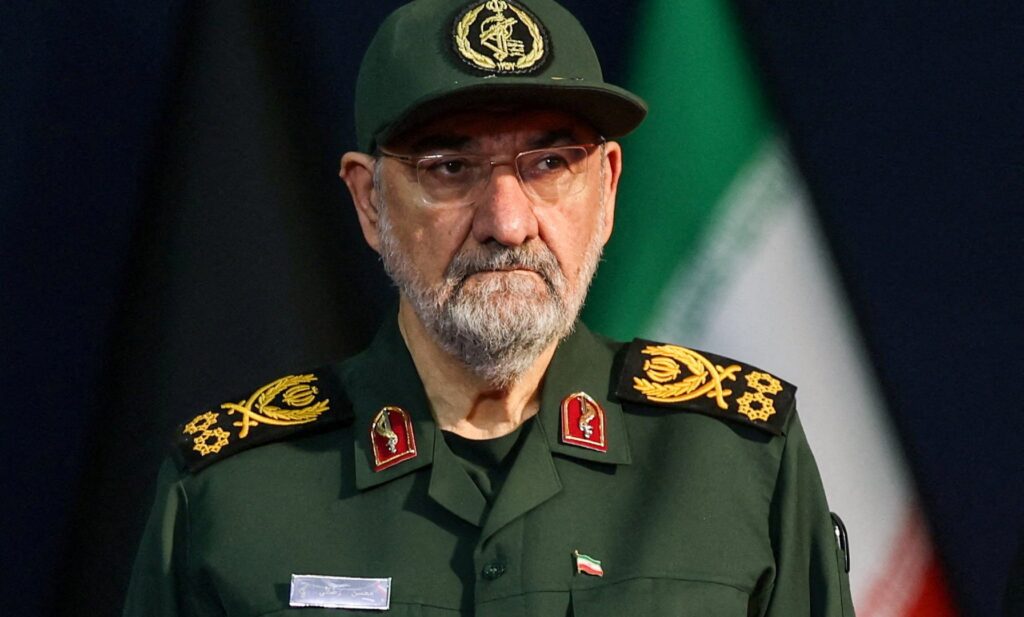
Mohsen Rezaei’s recent appointment as the secretary of Iran’s Supreme National Security Council marks a significant development in Iran’s political and security landscape. As the former commander of the Islamic Revolutionary Guard Corps (IRGC), Rezaei brings extensive military experience and a hardline stance to one of the country’s most powerful security institutions. His new role comes at a critical juncture as Iran engages in complex geopolitical negotiations, including the ongoing Hormuz talks which focus on regional security and maritime issues in the strategic Strait of Hormuz.
Rezaei’s background as IRGC commander, a position he held for over two decades from 1981 to 1997, signifies a continuity of conservative military influence within Iran’s security apparatus. The IRGC is a central force in shaping Iran’s domestic and foreign policies, particularly in matters concerning defense and strategic deterrence. By appointing Rezaei, the Iranian leadership has signaled a preference for a security approach rooted in resilience, resistance, and a strong posture against perceived external threats.
The Supreme National Security Council, which Rezaei now leads, plays a pivotal role in coordinating Iran’s internal security policies and overseeing its foreign security strategy. This body is instrumental in assessing threats, making strategic decisions, and directing efforts to protect national sovereignty and stability. Rezaei’s appointment is likely to influence Iran’s stance in the Hormuz talks, where maritime security, international sanctions, and freedom of navigation are key issues.
Given Rezaei’s hardline views and previous rhetoric emphasizing self-reliance and vigilance against foreign interference, his leadership may steer Iran’s security policies towards a more assertive direction. This could impact Iran’s diplomatic interactions with Gulf states, Western countries, and global powers involved in the region. It might also affect the broader dynamics of the Middle East, where sectarian tensions and power struggles are prevalent.
Moreover, Rezaei’s presence on the security stage coincides with heightened regional tensions and uncertainties over nuclear negotiations and the future of the 2015 nuclear deal. His strategic outlook and military expertise could reinforce Iran’s deterrence capabilities while complicating diplomatic negotiations with the West.
In summary, Mohsen Rezaei’s appointment as Iran’s security chief is highly significant due to his military background, the timing amidst critical regional dialogues, and the potential shift toward a more robust and uncompromising security policy. His leadership will be closely watched by international observers as Iran navigates the challenges of regional security, nuclear diplomacy, and its geographic strategic interests in the coming months.