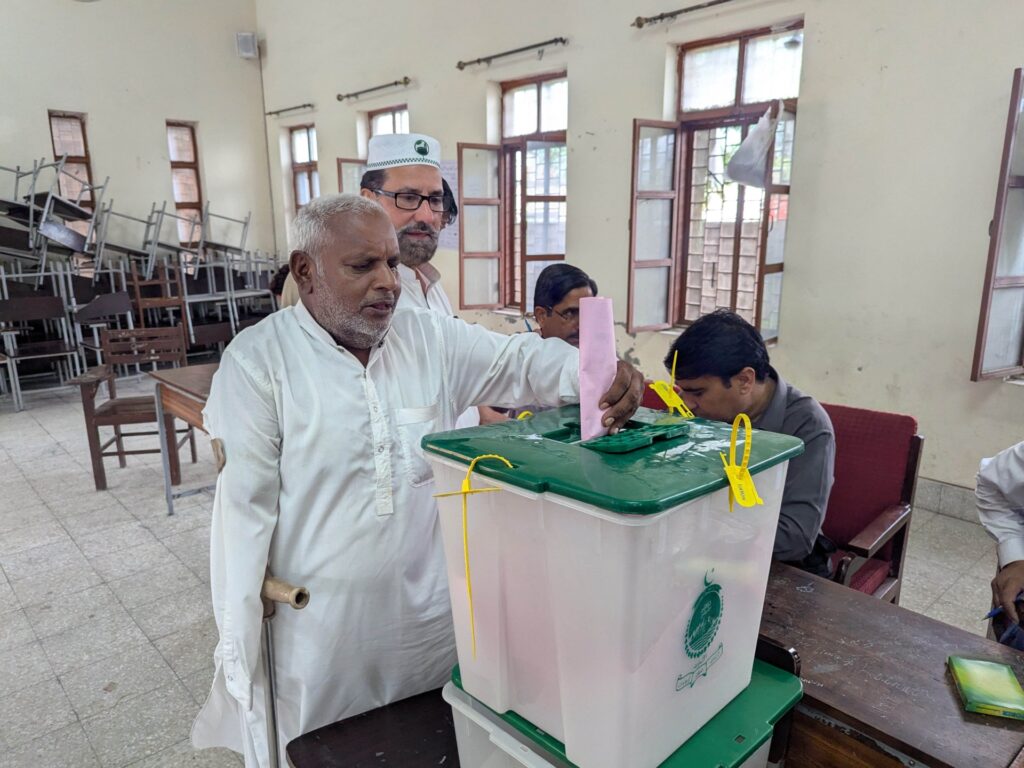
In Pakistan-administered Kashmir, the third phase of voting has seen a significant reduction in voter turnout amid ongoing unrest and violence. This election phase, originally scheduled to cover multiple constituencies in the region, was marked by a postponement of voting in seven out of eleven constituencies in the Poonch division. The decision to delay was taken in response to escalating violence and widespread calls for a boycott by various groups opposing the electoral process.
The elections in this sensitive and disputed territory are crucial as they determine the local government representation. However, the atmosphere was tense prior to the election day, with reports of clashes and militants threatening to disrupt the voting process. Security measures were ramped up across the region to ensure the safety of polling stations and voters who chose to participate despite the unrest.
Observers noted the significant impact of the boycott calls, leading to a noticeable decrease in voter participation compared to previous election phases. Many residents of Poonch expressed hesitation or fear about stepping out to vote, influencing the overall political engagement in the area. The electoral commission has communicated the challenges faced during the current phase and assured that efforts would be made to reschedule the postponed polls once the situation stabilizes.
Political leaders from the area condemned the violence and urged the population to exercise their democratic rights peacefully. Meanwhile, the central administration is keen on maintaining stability and legitimacy of the electoral process.
The reduced turnout and postponement in Poonch highlight the ongoing difficulties in conducting elections in conflict-affected regions. The situation remains fluid with hopes that future phases of voting can proceed without disruption.
This election cycle is being closely watched by regional and international stakeholders, as the outcome will influence the political landscape in Pakistan-administered Kashmir. The result will also have implications for the broader Kashmir conflict, which has long been a sensitive issue between Pakistan, India, and the Kashmiri people.
Authorities continue to stress the importance of peaceful participation and are working to address the security concerns to facilitate this. The electoral commission’s next steps will be crucial in restoring confidence among voters and ensuring that democratic processes can be upheld despite the challenges faced in this phase of voting.