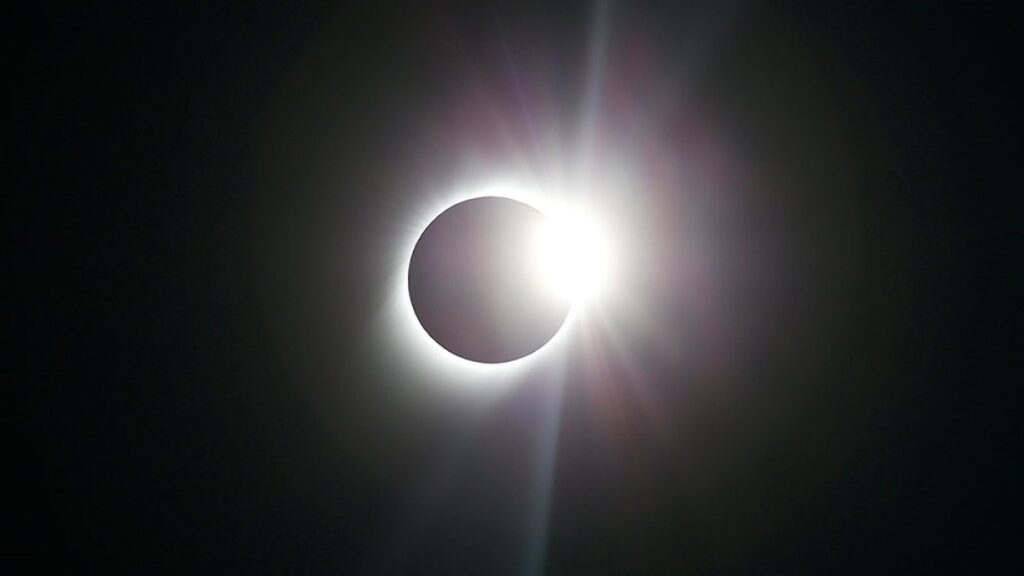
On August 12, a remarkable astronomical event will captivate the attention of almost one billion people across the globe—a partial solar eclipse. This rare celestial phenomenon occurs when the Moon passes between Earth and the Sun, partially obscuring the Sun’s light and casting a shadow on parts of the Earth.
Notably, approximately 15 million people will have the rare privilege of witnessing the eclipse in its path of totality, where the Moon completely covers the Sun, turning day into night for a brief period.
This event is expected to be visible across various regions, with exact viewing times varying depending on the observer’s geographic location. To maximize the experience, individuals are encouraged to use proper eye protection and specialized eclipse glasses, as looking directly at the Sun can cause severe eye damage.
The partial eclipse will begin at different local times worldwide, gradually progressing until its peak coverage and then receding. Observers are advised to check solar eclipse trackers and local astronomical resources to determine the exact timing for their specific area.
This August 12 eclipse offers a spectacular opportunity not just for astronomers and enthusiasts but for anyone interested in witnessing the grandeur of our solar system in motion. Photo opportunities abound for those equipped with the right equipment, and safely viewing the eclipse is a memorable experience.
As the Moon moves across the Sun, the changing shape of the eclipse creates stunning visual patterns and shadow bands that can be seen before and after totality in some locations.
Communities in the path of totality are preparing for increased visitor activity and hosting educational events to engage the public in this cosmic spectacle.
Whether you are under the full shadow of the Moon or experiencing a partial eclipse, August 12 promises to be a day to remember for skywatchers worldwide.
Stay updated with local eclipse timings and viewing recommendations to ensure a safe and awe-inspiring experience as the solar eclipse greets the skies this August.