Wildfires have erupted near Tirana, the capital of Albania, and in several regions of southern Spain, causing significant alarm and necessitating the evacuation of hundreds of residents. These fires are part of a broader pattern of increasing wildfire incidents affecting Europe amid this summer’s extreme heatwaves and dry conditions.
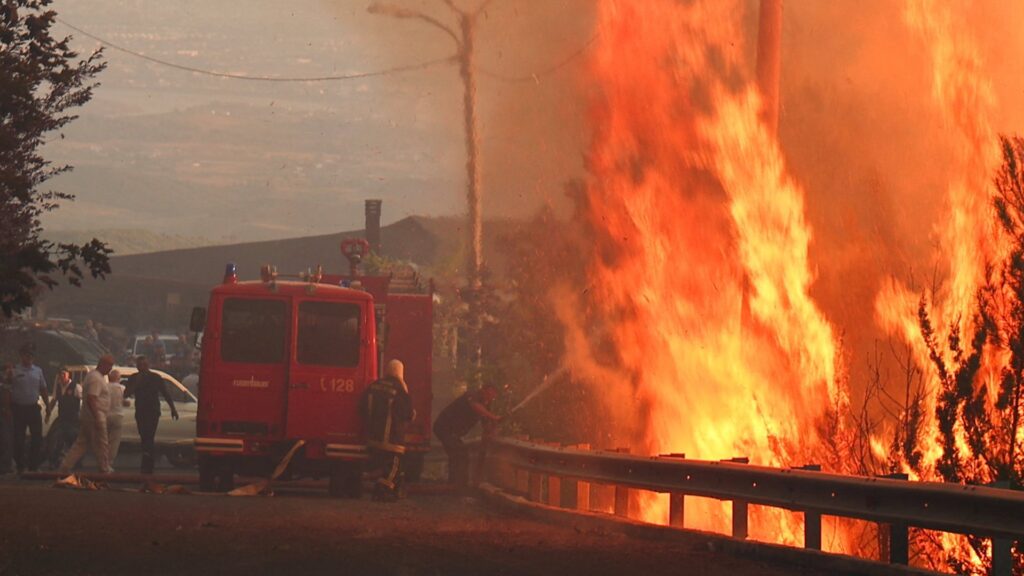
In Albania, the wildfire spreading near Tirana has rapidly consumed vast areas of forest and rural land, fueled by dry winds and high temperatures. Local authorities quickly organized evacuation efforts to safeguard towns and villages lying in the fire’s path. Emergency services, including firefighters and volunteers, continue battling the blaze to prevent further destruction. Numerous residents were forced to leave their homes overnight, with shelters established to provide temporary refuge.
Spain is concurrently facing similar challenges as multiple wildfires rage across its southern provinces. Regions such as Andalusia have witnessed rapid fire spread, threatening both urban and agricultural areas. The Spanish government has deployed additional firefighting aircraft and personnel to assist local firefighters. Evacuations of vulnerable communities were implemented preemptively to minimize casualties and protect lives.
These wildfires have caused widespread disruption, with road closures and damages to properties reported in both countries. Environmental experts warn that such fires contribute to detrimental impacts on biodiversity and air quality, while also exacerbating climate change effects. In response, governments are emphasizing fire prevention measures and reviewing strategies to enhance emergency responses.
The confluence of prolonged drought, rising temperatures, and changing land use patterns are identified as key factors aggravating wildfire risks in the Mediterranean region. Climate scientists caution that without significant mitigation efforts, including reducing greenhouse gas emissions and improving forest management, the frequency and intensity of such fires are likely to increase.
Public reactions have varied from anxiety and frustration to calls for greater investment in firefighting resources and adaptive strategies. The affected communities are receiving both domestic aid and international assistance as the situation evolves.
Authorities continue to monitor weather forecasts closely, aware that changing conditions may influence the fires’ behavior. Residents in fire-prone zones are advised to stay alert and comply with evacuation orders promptly to ensure safety.
These simultaneous wildfires in Albania and Spain underscore the critical need for coordinated European efforts to tackle the growing threat of wildfires amid climate change-driven environmental shifts. Enhanced cross-border cooperation, improved technology deployment, and community engagement are seen as vital components for future resilience against such natural disasters.