In the latest developments surrounding the escalating tensions in the Middle East, Tehran has established specific conditions for reopening the Strait of Hormuz, a critical maritime chokepoint through which a significant portion of the world’s oil supply passes. The Iranian Revolutionary Guard Corps (IRGC) has communicated these terms amid ongoing disputes and threats to security in the region. Concurrently, the United States is actively engaging with Gulf nations to secure commitments aimed at halting attacks on vessels navigating these strategic waters.
The strategic importance of the Strait of Hormuz cannot be overstated, as it serves as a vital artery for global energy supplies. Iran’s conditions for reopening the strait emphasize security guarantees and political assurances, underscoring the country’s insistence on addressing broader geopolitical concerns before allowing free passage.
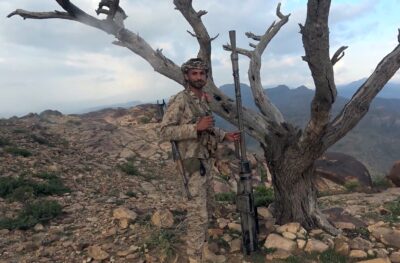
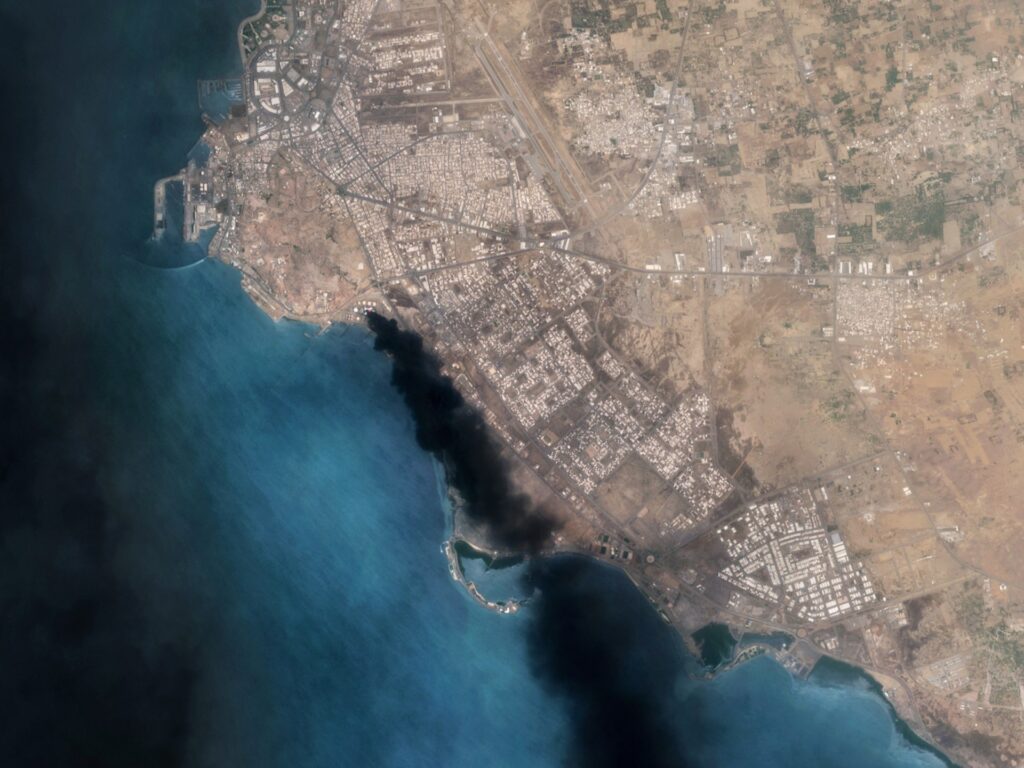
Meanwhile, in a related development, Houthi forces in Yemen have claimed responsibility for an attack targeting a Saudi Arabian site. This act of aggression adds another layer of complexity to the regional security landscape, highlighting the interconnected nature of conflicts in the Middle East.
The IRGC’s declaration comes at a time when tensions between Iran and coalition forces remain high, with the US and its allies seeking to prevent disruptions in maritime traffic that could have far-reaching economic and security implications globally. Iran’s stance is seen as both a strategic move and a bargaining chip in ongoing diplomatic negotiations.
The US has reiterated its commitment to ensuring the safety of international shipping and has called on all parties to exercise restraint. Efforts are underway to facilitate dialogue and establish protocols that could lead to a reduction in hostilities and the securing of maritime routes.
The situation remains fluid, with continuous monitoring by international stakeholders who understand the potential consequences of sustained conflict in the Gulf region. The combination of Iran’s firm conditions and the Houthi attack signals a period of heightened alert and diplomatic activity aimed at stabilizing the area.
Experts note that any prolonged closure or restriction of the Strait of Hormuz could lead to significant disruptions in oil markets, causing price volatility and impacting global economies. The importance of diplomatic channels and conflict resolution mechanisms is therefore paramount to avoid escalation.
The Houthi attack on the Saudi site further complicates peace efforts, as it reflects ongoing proxy dynamics in the region, where various factions continue to challenge the status quo through military means.
As the international community watches closely, the emphasis remains on balanced and sustained diplomatic engagement to de-escalate tensions and secure the reopening of one of the world’s most critical waterways. Ongoing negotiations and international involvement will likely shape the near-term trajectory of this multifaceted conflict.