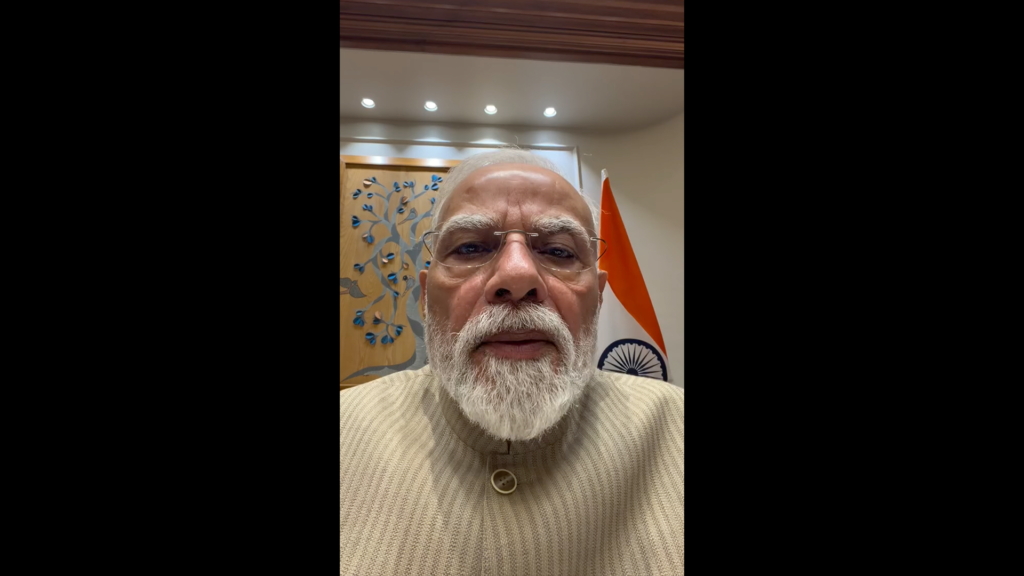
Prime Minister Narendra Modi, India’s influential leader, has embarked on a novel campaign to connect with the country’s Gen Z population. Known for his dynamic oratory and extensive political reach, Modi is now trying to become an unlikely friend to millions of young Indians through social media, particularly via late-night Instagram reels.
In an era where digital media shapes public opinion rapidly, Modi’s outreach reflects an understanding of changing communication trends among younger generations. Instagram reels, which are short and engaging video clips, have become a cultural phenomenon among Gen Z, who consume content actively and share it within their networks.
Modi’s strategy involves more than just traditional speeches or formal messages. Instead, he opts for a casual and friendly tone, often beginning his videos with “Hi friends,” a phrase that resonates personally with younger viewers. These reels showcase glimpses of his daily life, his thoughts on current affairs, and behind-the-scenes moments from various events.
This approach aims to humanize the Prime Minister, making him appear more relatable and approachable to a demographic that often feels distanced from conventional politics. By blending seriousness with a lighter tone, Modi’s social media campaign seeks to bridge the gap between governance and the youthful spirit of India’s future leaders.
The timing of these reels typically aligns with night hours when most young users are online, increasing the likelihood of immediate engagement. The campaign also encourages interaction, with Modi responding to comments and sometimes incorporating popular memes and trends, further endearing him to this cohort.
Experts suggest that this adaptation signifies political evolution worldwide where leaders must harness contemporary platforms to maintain relevance. India’s Gen Z, numbering in the hundreds of millions, wield significant influence in shaping the country’s socio-political landscape, which Modi’s team is keenly aware of.
Despite its popularity, the campaign faces skepticism from critics who view it as a polished public relations exercise rather than genuine outreach. Some argue that the content often sidesteps pressing issues affecting young people, focusing instead on curated positivity.
Nevertheless, the impact is undeniable. Modi’s presence on Instagram reels and his informal engagement style have sparked conversations among Gen Z about politics, governance, and citizenship in an unprecedented manner.
This initiative also highlights a broader trend across the world where political figures increasingly use social media to create direct, personal connections with younger generations. In India, where mobile internet usage continues to soar, such digital engagement is possibly the most effective avenue to inspire political participation among youth.
Moreover, the campaign supports Modi’s broader vision of a connected and empowered India, leveraging technology to foster inclusivity and transparency. As digital natives, Gen Z’s response to these initiatives will significantly influence future election outcomes and policy directions.
In conclusion, Narendra Modi’s late-night Instagram reels campaign represents a curious yet strategic attempt to win over India’s Gen Z population. By adopting a friendly, relatable persona and embracing modern communication channels, Modi not only extends his political reach but also redefines leadership for a digitally native generation. Whether this approach fundamentally reshapes political engagement remains to be seen, but it unquestionably marks a new chapter in India’s democratic narrative.