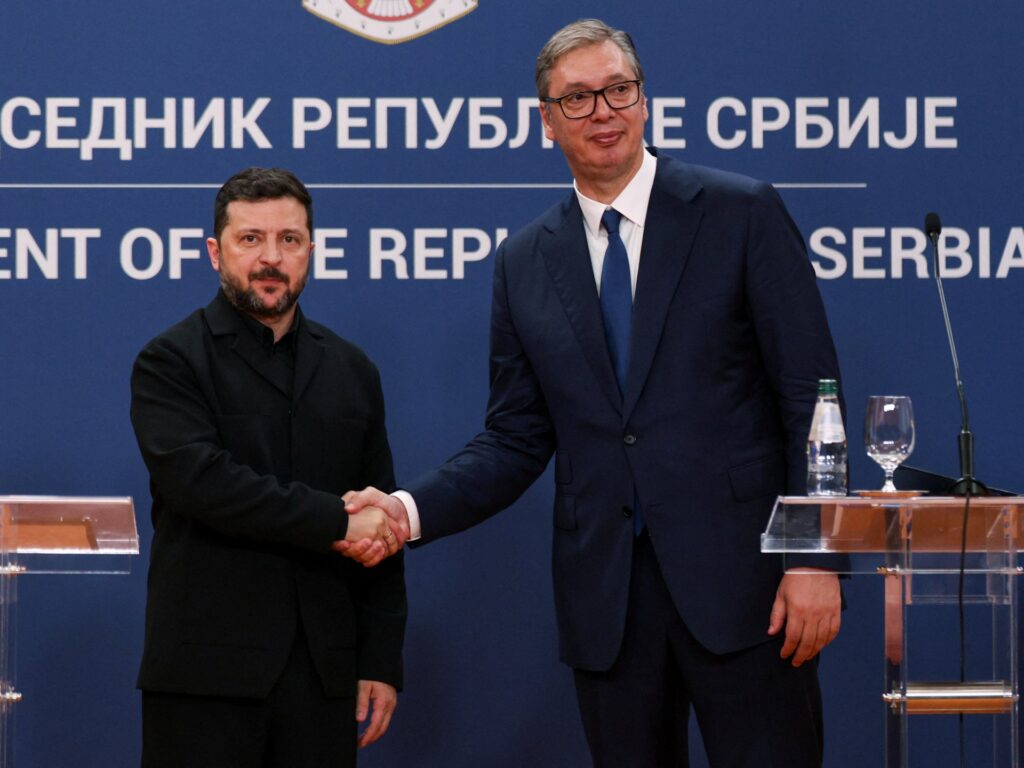
Serbia and Ukraine have recently pledged to deepen their economic ties, signaling a move towards closer cooperation and mutual support in various sectors. Both countries expressed a strong interest in exploring the benefits of a free trade agreement that could further facilitate commerce and investment between them.
During recent discussions, Serbian officials emphasized their commitment to assisting Ukraine in rebuilding cities that have been affected by conflict, highlighting humanitarian aid and developmental support as key components of their partnership. This initiative underscores Serbia’s dedication to standing with Ukraine during challenging times and contributing to regional stability.
The potential free trade deal aims to reduce tariffs and barriers, fostering a more robust exchange of goods and services. Analysts suggest that such an agreement could significantly boost the economies of both countries by opening new markets and strengthening supply chains.
Economic cooperation between Serbia and Ukraine is anticipated to expand beyond trade, potentially encompassing joint ventures and technological collaborations. Both governments envision a partnership that leverages their respective resources and strategic positions in Europe.
The collaboration comes amid a dynamic geopolitical landscape where regional alliances and economic partnerships are continuously evolving. Serbia’s support for Ukraine’s reconstruction efforts is seen as a gesture of solidarity and a step towards enhancing diplomatic relations.
In addition to economic and reconstruction efforts, the two countries are exploring avenues for cultural exchange and educational programs to foster people-to-people connections. These initiatives aim to build a comprehensive relationship that benefits not only governments but also the citizens of Serbia and Ukraine.
Trade experts note that a free trade agreement would align with broader economic integration trends in Eastern Europe, potentially attracting foreign investment and promoting economic resilience in both nations.
The roadmap for this burgeoning cooperation includes setting up joint committees and working groups to address trade regulations, investment opportunities, and infrastructure projects. Both leaders have expressed optimism about the future of their bilateral relations and the positive impact on their respective economies.
This development marks a significant chapter in Serbia-Ukraine relations, emphasizing economic growth, humanitarian support, and regional cooperation as pillars of their renewed partnership. As discussions progress, stakeholders remain hopeful that this alliance will serve as a foundation for lasting stability and prosperity in the region.