In the heart of Rome, a tense standoff is unfolding as hundreds of people camp out on a sweltering street following the clearance of a squatted building. The building, which had been occupied by activists, was cleared after a fire broke out, leading to a contentious dispute over the legitimacy and motivations behind the eviction.
The squatted building, known to be a hub for local activists, had long been a symbol of resistance against housing shortages and urban gentrification in the Italian capital. Residents and supporters of the squat argue that the building provided much-needed shelter for marginalized groups, including migrants and vulnerable individuals.
According to the activists, the eviction was not merely a safety response to the fire but was driven by political motives aimed at suppressing dissent and displacing those fighting for housing rights. They claim that authorities used the fire incident as a pretext for a swift clearance, denying residents adequate time and support to relocate.
The fire, which reportedly erupted in the early hours, caused minimal structural damage but was sufficient to prompt emergency services to intervene. However, the speed and manner of the clearance have sparked outrage among the activists and their allies.
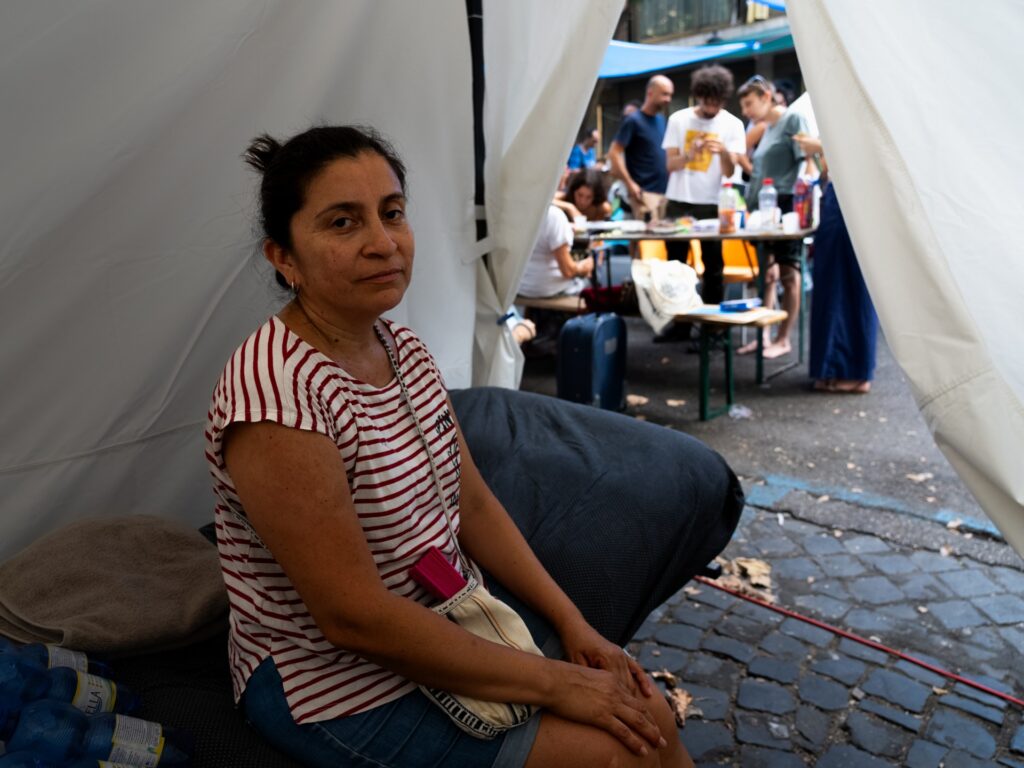
Scenes outside the building show hundreds of people setting up tents and makeshift shelters on the street, enduring high temperatures amid the summer heatwave. Protesters are demanding dialogue with city officials and calling for concrete measures to address the housing crisis affecting thousands in Rome.
Local authorities have responded by stating that the safety of residents and the public was their paramount concern. They emphasize that the clearance was conducted following necessary protocols and that alternative accommodations have been offered to displaced individuals.
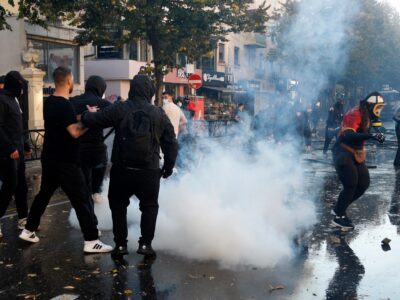
Nevertheless, the situation remains volatile, with activists organizing demonstrations and drawing attention from international human rights organizations. The incident highlights broader issues surrounding urban housing policies, social inequality, and the rights of squatters in European cities.
Community leaders and housing advocates urge the municipal government to engage in meaningful negotiations to find long-term solutions for affordable housing and shelter provision. Meanwhile, the encampment continues to grow, symbolizing a grassroots struggle against displacement and for the right to the city.
As temperatures soar and tensions escalate, the events on this Rome street underscore the challenges faced by many urban centers in balancing development, public safety, and human rights in an increasingly complex socio-political environment.