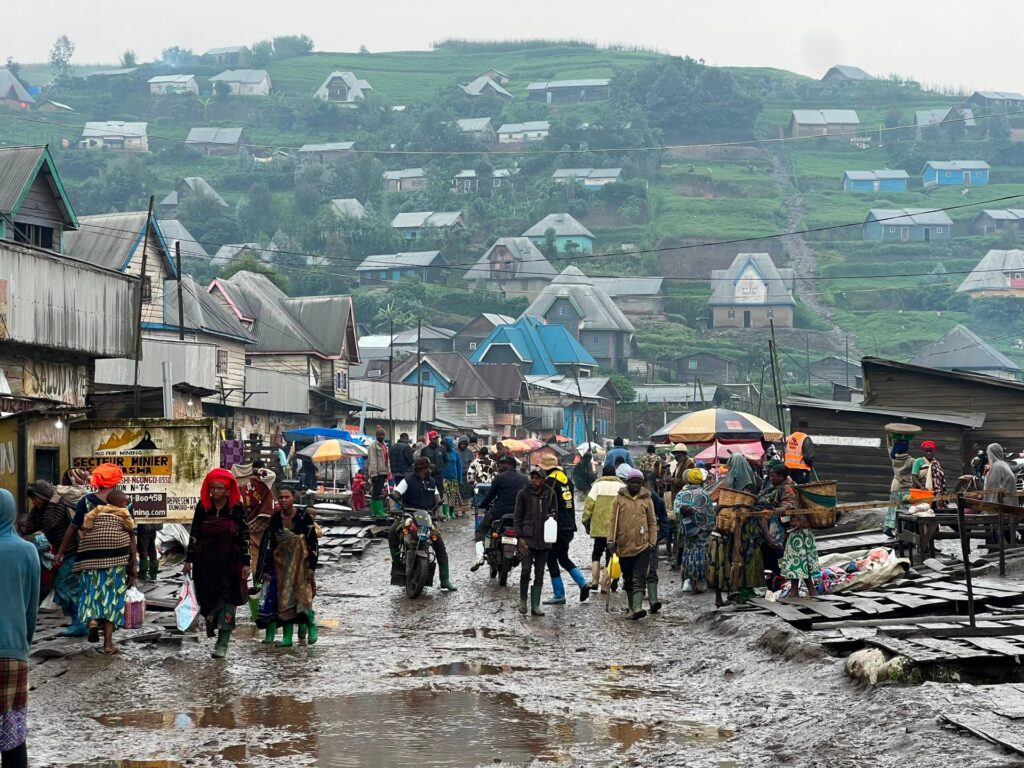
The Democratic Republic of Congo (DR Congo) is undertaking its first national census in 42 years, an event that holds deep significance for many Congolese people. For decades, the absence of a comprehensive census has meant that many citizens felt uncounted and invisible in the eyes of the state. This census is more than just a population count; it represents a quest for identity, recognition, and inclusion.
The past four decades have seen DR Congo experience political upheaval, conflict, and a lack of stable governance, contributing to challenges in conducting a nationwide census. The last census was conducted over four decades ago, leaving policymakers and planners to make decisions without accurate demographic data.
For many individuals and communities, this census symbolizes acknowledgment by the government—finally placing them on official records, which is crucial for access to services, political representation, and development planning. Being counted is a powerful affirmation of identity and belonging.
Conducting a census in such a vast and diverse country with numerous ethnic groups, languages, and remote regions is a complex undertaking. The government, alongside international partners, has embarked on a massive operation to reach the population effectively and inclusively.
The census data will provide vital insights into population size, distribution, and social characteristics that are essential for planning infrastructure, healthcare, education, and economic development programs. Accurate census information is fundamental for equitable resource allocation and the formulation of policies that address the needs of the Congolese people.
Beyond its administrative functions, the census also has symbolic importance. For many citizens, particularly marginalized groups, it is a chance to have their identity officially recognized at the national level. This acknowledgment can pave the way for enhanced political participation and protection of rights.
The census efforts also highlight challenges such as the need to build trust between communities and authorities, ensure data privacy, and overcome logistical hurdles in vast rural areas. However, the collective will to succeed reflects the Congolese people’s desire for unity and progress.
In conclusion, DR Congo’s first census in 42 years is a landmark event, marking a renewed commitment to understanding and serving its people better. For many Congolese, it is a moment of pride and hope—finally being counted means finally being seen, heard, and valued by their nation.