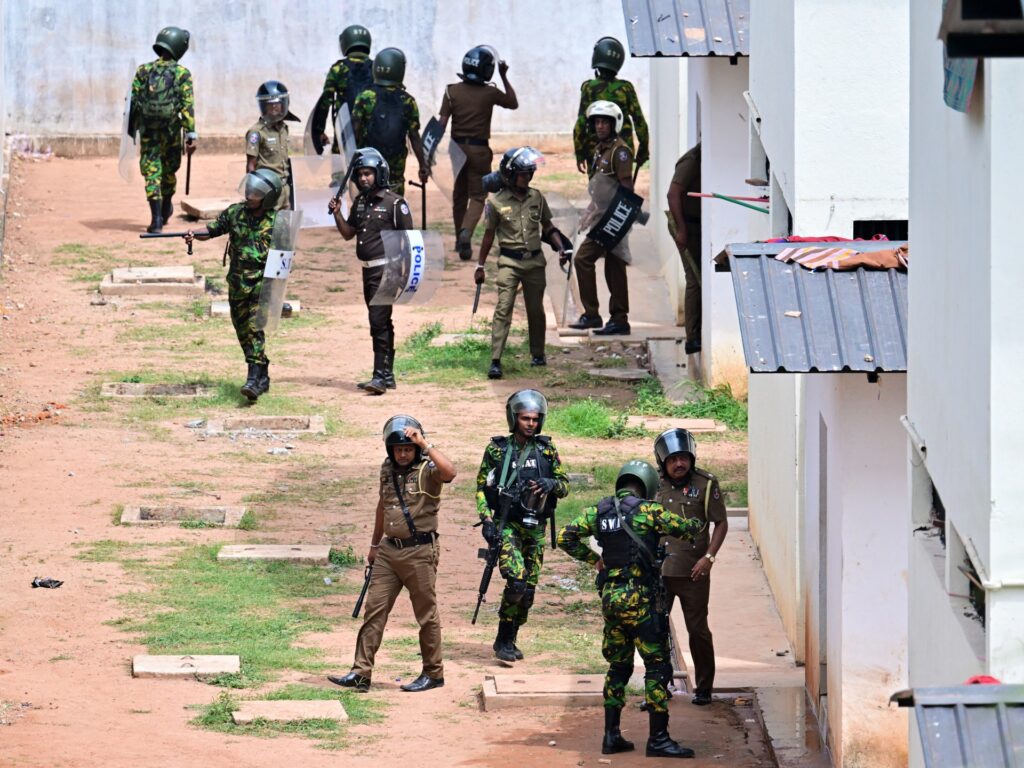
A violent prison riot in Sri Lanka has left three inmates dead and 23 others injured, marking one of the deadliest disturbances in recent years within the country’s correctional facilities. Authorities investigating the chaos point to escalating tensions fueled by narcotics trafficking and gang rivalries as central causes of the outbreak.
The riot broke out late last week across multiple prison facilities, with security forces struggling to regain control as inmates clashed violently. According to officials, the violence stemmed from long-standing disputes between rival gang factions whose influence permeates the prison system, exacerbated by the ongoing illicit drug trade within the jails.
Sri Lanka’s correctional service has been battling issues of overcrowding, underfunding, and poor management, factors that contribute to an unstable environment where gangs and contraband flourish. Experts warn that the presence of narcotics not only endangers prisoners’ health but also undermines discipline and order, making such uprisings more likely.
The Ministry of Justice has condemned the violence and promised a thorough investigation into the riots, vowing to hold accountable those involved whether inmates or staff. Steps are reportedly being taken to strengthen security measures and crack down on illegal drug distribution networks inside prisons.
Family members of inmates have expressed deep concern over the unrest and the safety of their loved ones, calling for urgent reforms to prevent further bloodshed. Human rights organizations have also appealed for improved living conditions and rehabilitation programs to address the root causes of prison violence.
The Sri Lankan government faces mounting pressure to reform its penal system amid rising public scrutiny of human rights practices and prison management failures. This riot serves as a harsh reminder of the urgent need to address the intertwined problems of gang activities, narcotics, and systemic neglect that jeopardize order within detention centers.
As investigations continue, authorities hope to restore calm swiftly and implement changes to prevent such tragic events from recurring. The incident has ignited a national conversation about prison reform and the broader challenges of combating crime and ensuring justice in Sri Lanka.
This tragedy underscores the critical importance of comprehensive strategies involving law enforcement, judicial reforms, and social interventions to break the cycle of violence within Sri Lankan prisons and promote safer, more humane conditions for all inmates.