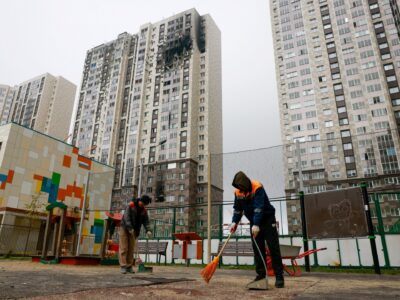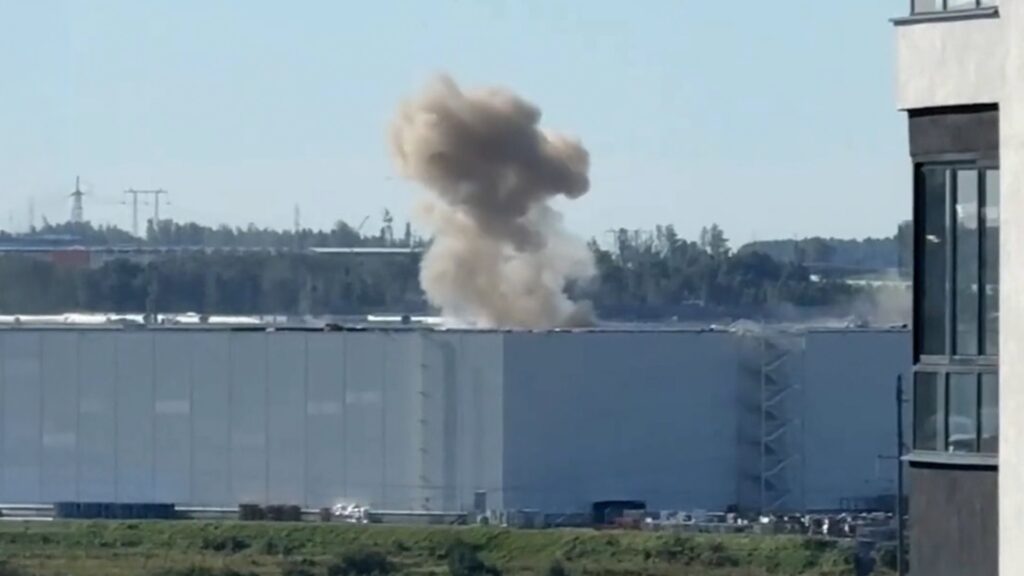
Amid intensifying attacks in the ongoing Russia-Ukraine conflict, United Nations Secretary-General António Guterres has issued a strong condemnation of actions by both Ukraine and Russia. The escalating violence has raised significant concerns about the humanitarian impact and broader geopolitical stability. Guterres called urgently for de-escalation and the immediate establishment of a ceasefire, emphasizing the critical need to protect civilian lives and prevent further deterioration of the conflict.
The conflict between Russia and Ukraine, which began years ago, has recently seen a renewed surge in hostilities, marked by increased military operations and attacks on various fronts. This escalation has led to severe casualties and displacement, exacerbating the already dire humanitarian situation in the region.
In his statement, the UN chief underscored the importance of dialogue and diplomacy as the only viable pathways toward resolving the conflict. He stressed that continued fighting would only serve to deepen suffering and instability, both locally and internationally.
The United Nations has repeatedly called on both parties to honor previous ceasefire agreements and to engage in meaningful negotiations. However, the persistent breaches and retaliatory strikes have undermined these efforts, leading to a cycle of violence that threatens peace and security.
Secretary-General Guterres’s call for de-escalation is also a plea to the international community to support diplomatic initiatives and humanitarian aid efforts. Coordinated support is crucial in addressing the immediate needs of affected populations and in fostering an environment conducive to peace talks.
The condemnation of both Ukraine and Russia highlights the UN’s stance on impartiality and the principle that all parties must adhere to international law and the norms of conduct during conflicts. The United Nations maintains its commitment to facilitating peaceful dialogue and working towards a sustainable resolution.
As the situation continues to evolve, the UN Secretary-General reiterated the urgent necessity for all involved to prioritize peace over military gains. He appealed to world leaders and stakeholders to join in the pursuit of a durable ceasefire and to commit to diplomatic engagement for the long-term stability of the region.
The international community watches closely as the humanitarian crisis unfolds, hoping that concerted efforts from global actors and the warring parties will lead to a cessation of hostilities and pave the way for a peaceful and negotiated settlement.
In summary, the UN chief’s condemnation of both parties amid the escalation serves as a critical reminder of the devastating consequences of war and the shared responsibility to pursue peace and protect human lives.