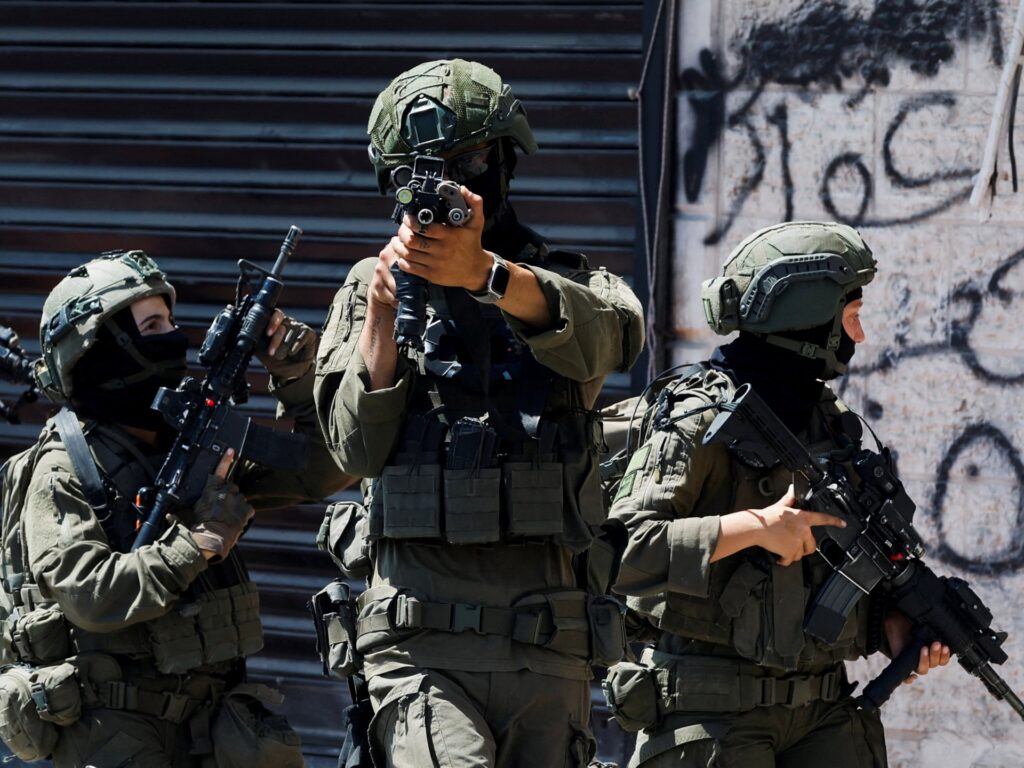
A recent Israeli military operation in Qalandiya, located in the West Bank, has resulted in injuries to 51 Palestinians and the arrest of dozens more near Jerusalem. This incident marks a significant escalation amidst a growing wave of military and settler violence in the region.
The West Bank, a territory long contested between Israelis and Palestinians, has seen increasing volatility in recent weeks. The Israeli forces conducted the raid targeting suspected militants and to assert control over contested areas, particularly in the Qalandiya refugee camp, a frequent flashpoint for clashes.
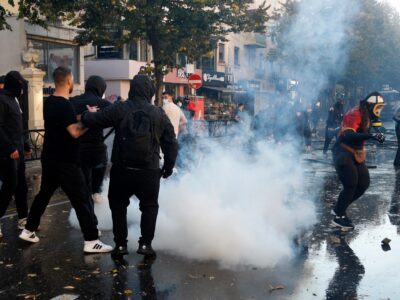
According to local sources, the Israeli raid involved heavy use of live ammunition and tear gas, leading to numerous injuries among the Palestinian population, including some severe cases needing urgent medical attention. The injured Palestinians have been treated in nearby hospitals, which are reportedly overwhelmed by the surge in casualties.
In addition to the injuries, Israeli authorities arrested dozens of Palestinians during operations in and around Jerusalem. The arrests spanned multiple locations, with officials stating that the detainees were suspected of involvement in recent acts of violence and unrest.
This surge in military activity correlates with an uptick in aggression from Israeli settlers in the West Bank. Settler violence has intensified, with reports of property damage, assaults, and intimidation tactics against Palestinian residents increasing substantially.
The Israeli government defends these actions as necessary measures to ensure security amid rising threats, citing attacks on civilians and military personnel. However, Palestinians and human rights organizations condemn the raids and arrests as collective punishment and excessive use of force.
International reactions have called for restraint and dialogue to prevent further deterioration of the fragile peace. The United Nations and several countries have urged both sides to de-escalate tensions and return to negotiations.
The current situation reflects the deeply entrenched conflict and the challenges ahead in achieving a lasting resolution. As violence continues to escalate, the risk of a broader conflict looms large, affecting countless lives and destabilizing the region further.
Efforts by humanitarian groups to provide aid and medical assistance have faced significant obstacles due to ongoing security operations. The closure of checkpoints and restricted access hampers efforts to assist those injured and displaced.
Community leaders and activists on both sides have called for calm and a renewed focus on peaceful solutions, emphasizing the need to protect civilians and uphold human rights.
The international community remains watchful as developments unfold, with hopes that renewed diplomacy can prevent further bloodshed and foster an environment conducive to peace and mutual understanding.
In the meantime, the people of Qalandiya and surrounding areas continue to endure the consequences of the protracted conflict, hoping for a future where such violence becomes a chapter of the past rather than the ongoing present.