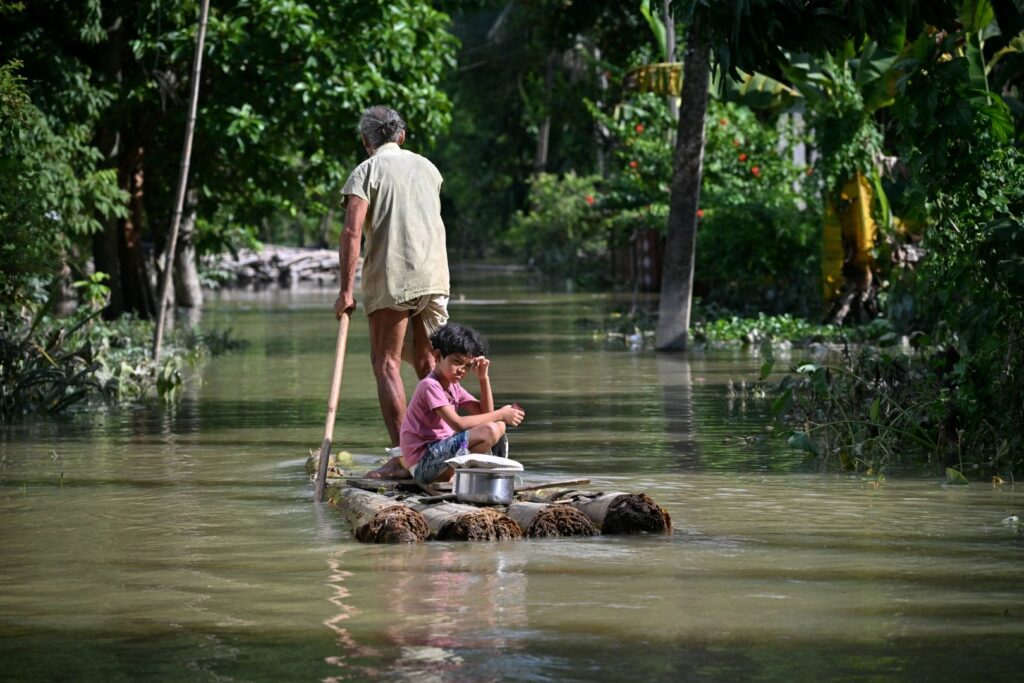
Severe monsoon rains since July have triggered devastating floods in Assam, a state in northeastern India, affecting more than one million people. The flooding has caused widespread disruption, displacement, and damage across the region, marking one of the most challenging flood seasons in recent years.
The continuous heavy rainfall has overwhelmed river systems, leading to rivers overflowing their banks and inundating large parts of the state. Villages, towns, and agricultural lands have been submerged, forcing thousands of residents to evacuate their homes in search of safer shelter. Many have sought refuge in relief camps set up by government and non-government organizations.
Local authorities, alongside the National Disaster Response Force (NDRF), have been actively engaged in rescue and relief operations, providing essential supplies such as food, drinking water, and medical aid. Despite these efforts, the scale of displacement poses significant challenges to ensuring all affected individuals receive timely help.
The floods have also disrupted transportation, with several roads and railway lines submerged or damaged, complicating relief efforts and impacting daily life. Educational institutions and businesses have been temporarily closed in several affected areas, causing economic setbacks for many families reliant on daily wages.
Health concerns have emerged as stagnant floodwaters increase the risk of waterborne diseases like cholera, dysentery, and malaria. Local health agencies have issued advisories and are working to prevent outbreaks within crowded relief camps.
Agriculture, a mainstay of Assam’s economy, faces severe losses due to submerged crops and damaged farmland. Farmers are grappling with the destruction of their livelihoods as the floodwaters recede slowly.
The Assam flood situation underscores broader climate vulnerability within the region. Experts warn that changing weather patterns may lead to more frequent and intense monsoon events, requiring strengthened disaster preparedness and infrastructure investment.
Community participation has been crucial in relief efforts, with volunteers assisting in distributing aid and raising awareness about safety protocols. The government has also announced financial aid packages for the most affected populations to support recovery and rebuilding.
As floodwaters start to recede in some areas, attention is shifting towards rehabilitation and ensuring sustainable solutions to mitigate future flood risks. Authorities are considering improvements in flood forecasting systems and the construction of embankments and drainage projects.
The flooding tragedy in Assam highlights the urgent need for comprehensive disaster management strategies and climate resilience measures to protect vulnerable populations and reduce the severe socioeconomic impacts of natural calamities.