Mozambique, already grappling with the devastating impact of recent floods, is now facing a second, equally daunting crisis: widespread hunger and food insecurity. The floods have not only displaced thousands of families but have also severely damaged agricultural lands, resulting in lost harvests that many families depended on for their sustenance and income. Roads and transportation networks, crucial for the delivery of food and supplies, have been disrupted, making it difficult to bring aid to affected communities.
The dual disaster of flooding followed by hunger has pushed many families into deeper poverty and food insecurity, threatening the lives and well-being of children, women, and vulnerable populations. Local markets have seen a sharp decline in available food, while prices have surged, putting basic staples out of reach for many households.
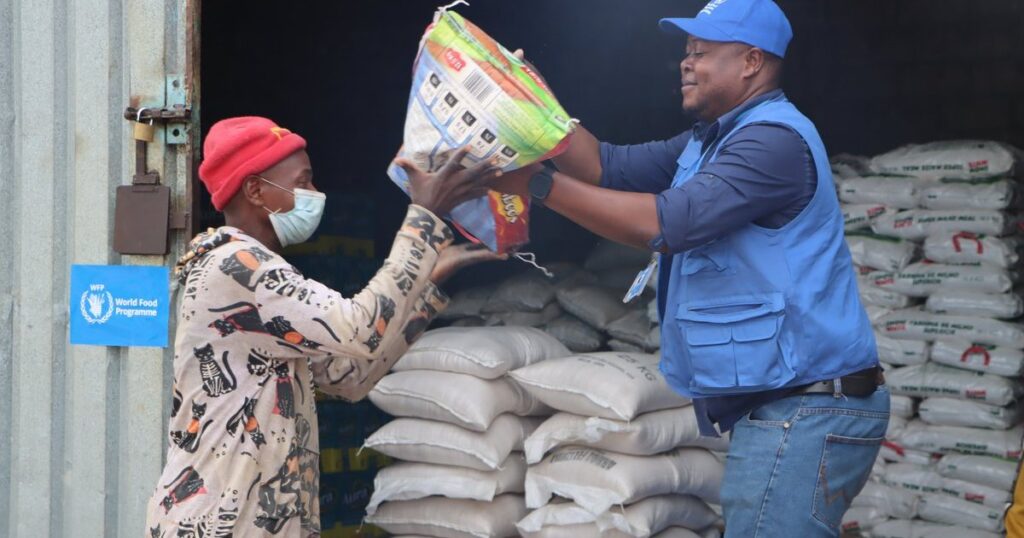
Humanitarian organizations are working tirelessly to assess the situation and provide emergency food relief, but logistical challenges remain significant. Efforts to restore infrastructure and support agricultural recovery will be critical to prevent a prolonged food crisis.
Experts warn that the effects of these calamities may be felt for months, or even years, as the economy struggles to recover and families seek to rebuild their livelihoods. The government, alongside international partners, is calling for urgent aid and intervention to address this looming hunger crisis.
Mozambique’s plight is a stark reminder of how natural disasters can have cascading effects, turning one crisis into another and highlighting the importance of resilience and preparedness in vulnerable regions. As flood waters recede, the fight against hunger becomes the next urgent battle for this southern African nation.