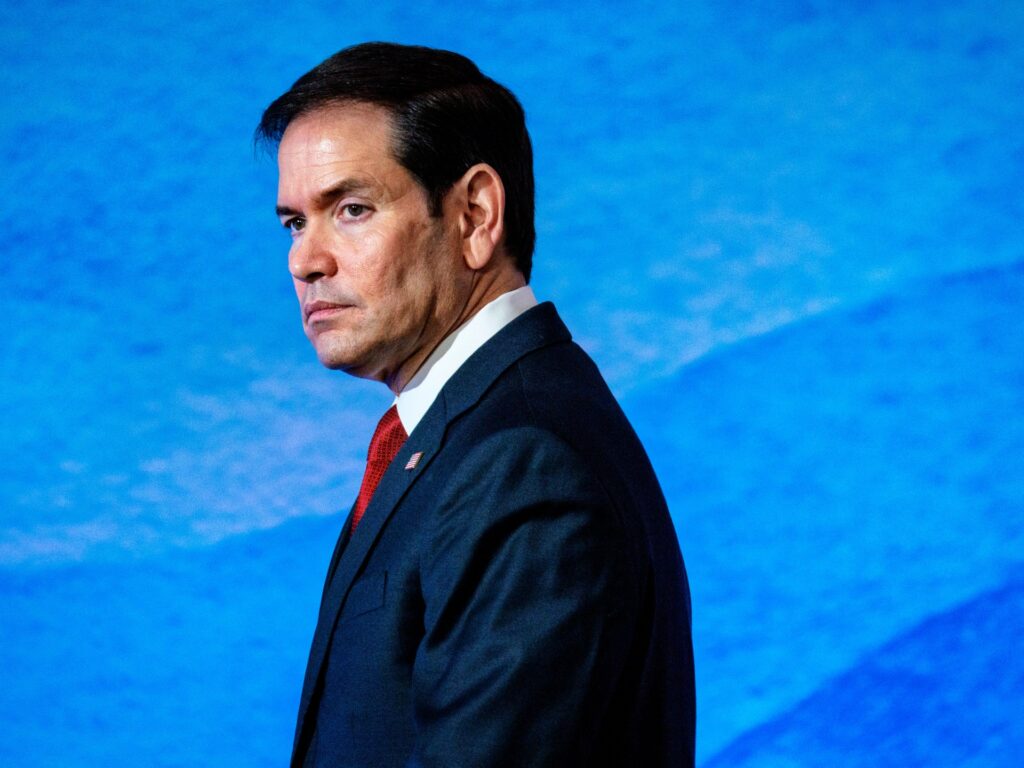
In a decisive move reflecting ongoing geopolitical tensions, US diplomat Marco Rubio has announced sanctions against five Cuban entities and eight individuals. These entities and persons are accused of facilitating Cuba’s acquisition of military equipment from Russia and China, further exacerbating concerns over regional security and military escalation.
The sanctions target key military officials and companies believed to be involved in the procurement and transfer of military technology and hardware to Cuba. According to US authorities, these supplies play a critical role in enhancing Cuba’s military capabilities.
The sanctioned individuals include high-ranking officials within Cuba’s military and defense industry. The targeted companies operate in sectors directly linked to defense and military logistics. The US government asserts that these sanctions are part of broader efforts to curtail Cuba’s military expansion and to pressurize the Cuban government regarding its alliances with Russia and China.
This development comes amid heightened sensitivity in the Western Hemisphere, where the influence of Russia and China is increasingly viewed with suspicion and concern by the United States and its allies. The US government has continuously expressed apprehension over the strengthening ties between Cuba and these global powers, particularly regarding military cooperation.
The sanctions aim to disrupt Cuba’s supply chains for military equipment, hindering its ability to sustain or expand its current capabilities. This move aligns with previous US actions intended to isolate the Cuban government economically and politically.
Rubio’s announcement underscores the US commitment to countering what it sees as destabilizing influences in the region. It also signals Washington’s intent to use targeted economic measures to influence foreign policy and prevent the military bolstering of contentious states.
The sanctioned individuals and companies are now subject to asset freezes and travel bans, restricting their ability to operate internationally. US officials have warned that further actions could follow if Cuba continues its military cooperation with Russia and China.
The Cuban government has not yet responded to the recent sanctions, but historical responses include condemnation of US actions and accusations of interference in Cuban sovereignty.
Analysts say this move may strain US-Cuba relations further and complicate diplomatic efforts aimed at normalization. However, it may also be seen as a strong warning by the US to allies and global powers regarding the limits of military alliances in the Americas.
The international community watches closely as these sanctions are implemented, with some nations likely to support the US stance and others criticizing it as an overreach.
This latest development forms part of a pattern of US sanctions aimed at countries perceived as threats through their military alliances, reflecting ongoing geopolitical rivalries and strategic competition globally.
Overall, the sanctions imposed by Rubio mark a significant escalation in US efforts to address military developments in Cuba, reinforcing Washington’s stance on security and diplomatic engagement in the region.