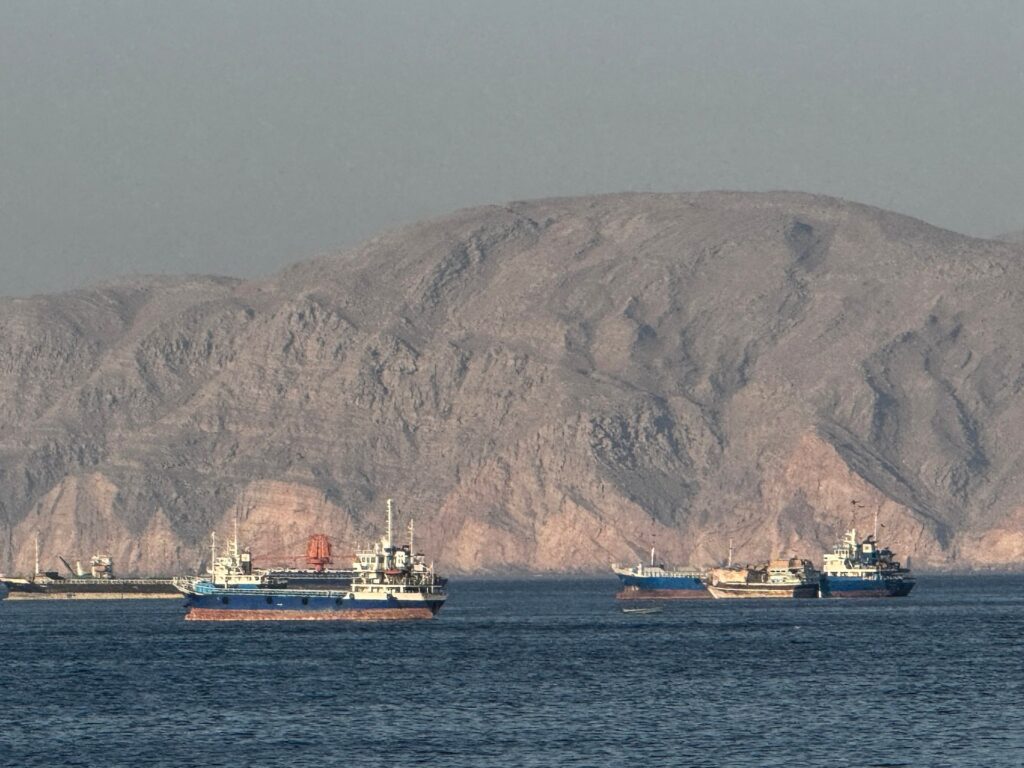
The strategic Strait of Hormuz, a vital waterway for global oil shipments, has seen ongoing negotiations concerning a pivotal deal that would shape the region’s future stability. Recent reports indicate that the proposed Hormuz deal is nearing completion, although significant differences remain on the control and governance of the waterway.
The United States, a key stakeholder in the negotiations, has reiterated a firm stance: it will not accept any agreement that could lead to Iran exercising control over the Strait of Hormuz. US officials stress that any arrangement allowing Iran to dominate this crucial maritime route would threaten global security and economic stability.
On the other side, Iranian representatives have signaled willingness to engage in dialogue about shared governance or cooperative management, aiming to secure national interests without escalating regional tensions. Iran’s approach appears to balance asserting sovereignty with the pragmatic necessity of ensuring free navigation through the Strait.
The Strait of Hormuz is strategically crucial because approximately one-fifth of the world’s oil passes through this narrow channel that links the Persian Gulf to the Arabian Sea. Control of the waterway has both economic and geopolitical implications, and any deal affecting the Strait impacts not just regional actors but global markets and international diplomacy.
While the US emphasizes security guarantees and the prevention of Iranian control, other players in the negotiations advocate for a multilateral framework that ensures safe and open passage for all commercial shipping. The discussions reflect broader geopolitical dynamics involving power projection, alliance-building, and the balance of influence in the Middle East.
Experts note that the deal’s progress is a positive sign towards reducing tensions that have previously led to confrontations and threats to commercial shipping. However, the final agreement’s success hinges on resolving core disagreements about sovereignty and control.
Iran’s position involves leveraging its geographic advantage to claim a significant role in the waterway’s administration, while securing assurances that its economic activities in the Gulf are respected. Meanwhile, the US stresses that any power imbalance favoring Iran could destabilize the region.
The international community is watching closely, as any breakthrough would represent a major diplomatic achievement. Such a deal could enhance regional cooperation, foster economic development, and reduce the risk of conflict in one of the world’s most sensitive maritime corridors.
As negotiations continue, all sides face the challenge of balancing national interests with the overarching need for stability and security in the Persian Gulf. The eventual Hormuz deal, if finalized, will symbolize a critical step toward managing a long-standing geopolitical flashpoint.
In summary, the Hormuz deal is reportedly close to being finalized, yet the sticking point remains the issue of Iran’s role and control of the Strait. The US remains firm against any scenario that would leave Iran dominant over the waterway, while Iran seeks to assert influence while avoiding escalation. The resolution of these positions will determine the security and strategic dynamics of the region moving forward.