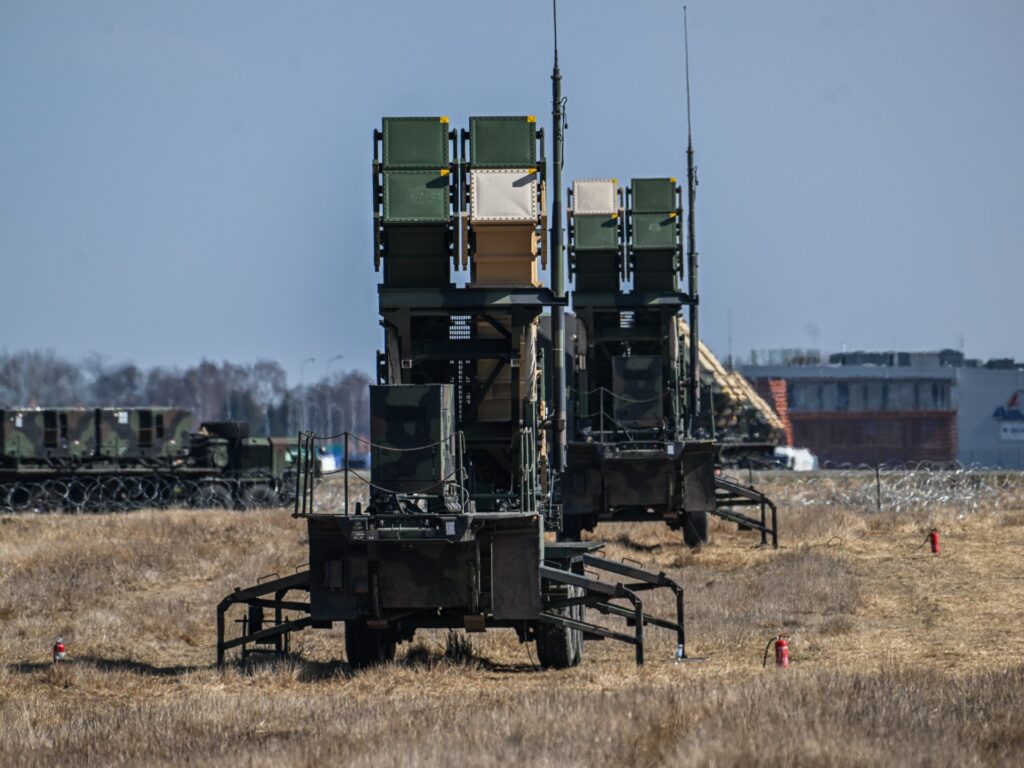
Recent reports indicating dangerously low munitions supplies in the United States have been met with official pushback by top US defense and government officials. Despite expert warnings about the potential vulnerabilities due to dwindling stockpiles of air defense interceptors, particularly as a consequence of the ongoing war involving Iran, officials maintain that the country’s defense capabilities remain robust.
Experts have highlighted concerns that continuous military engagements and the increasing use of interceptor munitions have led to strains on the US arsenal. Specifically, air defense interceptors, which are critical in countering missile threats and safeguarding national and allied assets, have seen heightened demand. The depletion of these stockpiles could potentially leave the US more exposed to missile attacks, reducing the margin for error in times of intense conflict.
Several defense analysts pointed out that as the war on Iran escalates, more interceptors are being deployed in the field, causing stocks to run low. This issue is compounded by the lengthy manufacturing and procurement processes needed to replenish sophisticated munitions, which involve complex technology and high costs.
In response, US officials have reassured the public and international observers that steps are being taken to address the concerns. These include accelerating production schedules, allocating additional funds for defense manufacturing, and ensuring that strategic reserves are maintained to meet emerging threats.
Defense Department spokespersons emphasized that while usage has increased, current inventory levels are sufficient for both ongoing operations and national defense scenarios. They also highlighted ongoing investments in next-generation air defense systems that will enhance capabilities and potentially reduce reliance on existing interceptor stockpiles.
The conflict’s impact on global defense supply chains has also been noted. With international tensions affecting procurement and distribution, the US military is actively working to secure supply lines and foster partnerships with domestic manufacturers to mitigate risks.
Moreover, the strategic approach to munitions management includes improving stockpile management practices, investing in innovative technologies for interceptor reuse and recovery, and collaborating with allied nations to share resources and intelligence.
Despite the reassurances, military analysts continue to monitor the situation closely, emphasizing the importance of maintaining a robust and flexible defense posture that can adapt to rapidly changing geopolitical conditions.
In conclusion, while reports of dangerously low munitions supplies have sparked debate and concern, US officials assert that current efforts and strategic planning will safeguard the nation against vulnerabilities. The coordinated approach between government agencies, defense contractors, and international partners aims to ensure that the US remains prepared to meet any threats posed by ongoing conflicts, including those related to the war on Iran.