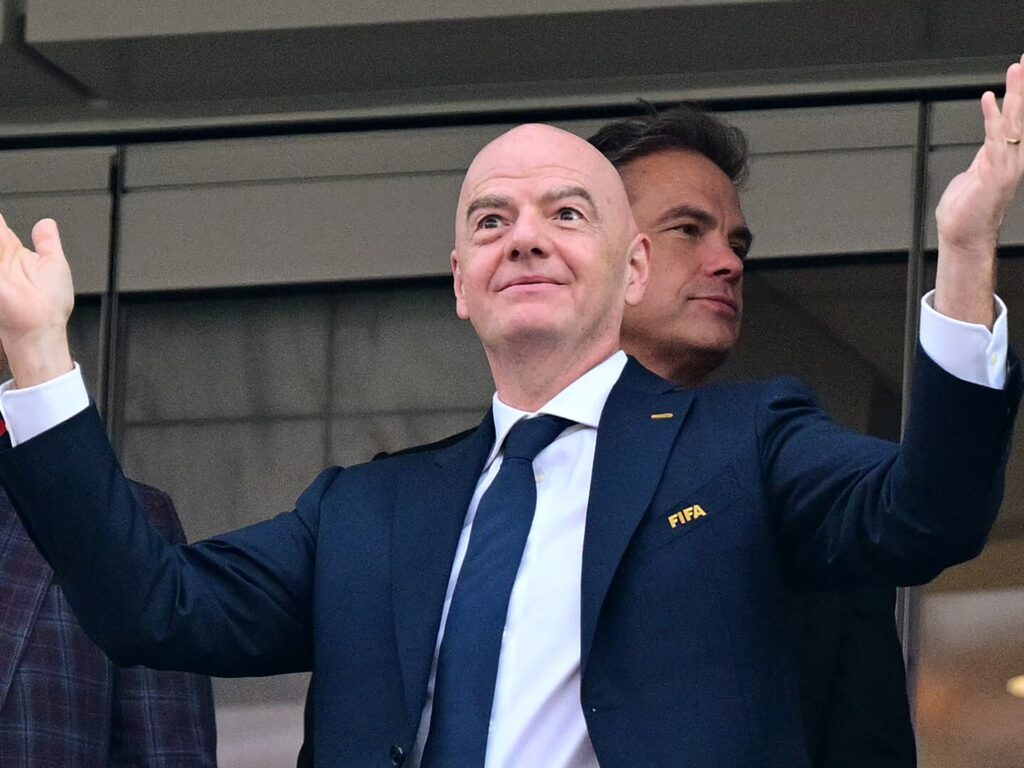
FIFA President Gianni Infantino is currently facing a significant leadership challenge following the collapse of a controversial plan regarding the commercial rights of the World Cup. The plan, which proposed changes in how the broadcasting and sponsorship rights were managed, provoked strong opposition from key football confederations including UEFA, the Asian Football Confederation (AFC), and the Confederation of North, Central America and Caribbean Association Football (Concacaf).
The backlash from these confederations has been intense, with threats of drastic actions that could impact FIFA’s governance and the organization of future tournaments. UEFA, representing some of the world’s most influential footballing nations, has been particularly vocal, expressing concerns that the realignment of commercial rights could undermine the established financial and operational structures that currently support the sport.
Similarly, AFC and Concacaf have joined the call for reconsideration, highlighting the potential negative effects on their regional competitions and the broader football ecosystem. Their unified stance signals a rare moment of solidarity among the confederations in addressing what they perceive as a threat to their autonomy and financial interests.
In response to the mounting pressures, FIFA has publicly pledged its support for Infantino and his leadership. The organization’s spokesperson emphasized that the decisions regarding commercial rights are made with the long-term sustainability and growth of the game in mind. FIFA insists that the intention behind the new plan was to modernize and expand the commercial opportunities to benefit all member associations globally.
Infantino’s tenure has been marked by ambitious initiatives aimed at expanding football’s global reach and economic potential. However, this latest controversy underscores the complex challenges involved in balancing the interests of the various stakeholders within the sport.
The conflict highlights underlying tensions between FIFA’s central authority and the regional confederations, whose cooperation is essential for football governance and the successful execution of international tournaments like the World Cup.
Experts suggest that the resolution of this crisis will require delicate negotiations and possibly a reevaluation of the proposed changes to the commercial framework. Many emphasize the importance of ensuring transparency and inclusivity in decision-making processes to restore trust among the confederations and other stakeholders.
As the situation develops, the football community awaits further announcements that could redefine the relationship between FIFA and its member bodies. The outcome will likely have far-reaching implications for the governance, financing, and future growth of international football.
In summary, while FIFA stands firmly behind President Infantino amidst this leadership crisis, the road ahead involves addressing the concerns of UEFA, AFC, and Concacaf. The collaborative spirit and unity in navigating this controversy will be crucial in safeguarding the sport’s global stature and ensuring its continued success on the world stage.