In recent developments, US Representative Thomas Massie has raised concerns regarding the ongoing crisis in Ceuta, a Spanish enclave bordering Morocco. Massie and other figures have questioned whether the current situation is connected to the United States’ support for Morocco, highlighting complexities in the geopolitical dynamics of the region.
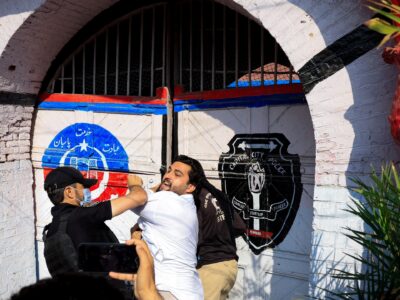
Ceuta, a small Spanish territory located on the northern coast of Africa, has recently been the focal point of a humanitarian and political crisis. The crisis largely stems from tensions between Morocco and Spain, with thousands of migrants attempting to cross into Ceuta in a mass influx, leading to overcrowded facilities and strained resources.
Representative Massie’s claims suggest that the crisis may be linked to US foreign policy, particularly its backing of Morocco. The US has historically maintained strategic ties with Morocco, viewing it as a key player in North African stability and counterterrorism efforts. However, this support has drawn scrutiny amid rising tensions over border security and immigration issues.
The representative’s questioning implies that US support may have emboldened Morocco in ways that contributed to the current crisis in Ceuta. He calls for a reassessment of US foreign policy to better address the consequences that regional conflicts and migration flows impose on European allies.
Political analysts note that the situation in Ceuta reflects broader challenges faced by Europe and the US in managing migration, border security, and diplomatic relations with North African countries. The influx of migrants has put pressure on Spanish authorities and heightened discussions on humanitarian aid and border control mechanisms.
Furthermore, Morocco’s position and actions have been scrutinized following reports that its border policies may have facilitated or allowed the surge of migrants into Ceuta. Critics argue that this may have been used as a political leverage in disputes with Spain over territorial and diplomatic issues.
The US government has so far refrained from making explicit comments linking its Morocco policy to the Ceuta crisis, focusing instead on calls for regional cooperation and humanitarian assistance. Nevertheless, calls from figures like Representative Massie underscore the necessity of re-examining the US role in North African geopolitics.
As the situation evolves, observers anticipate increased diplomatic efforts to resolve the crisis, balancing the interests of Spain, Morocco, and the broader international community. The debate sparked by US Representative Thomas Massie highlights the interconnectedness of foreign policies and on-the-ground humanitarian consequences, stressing the importance of nuanced and responsible international engagement.