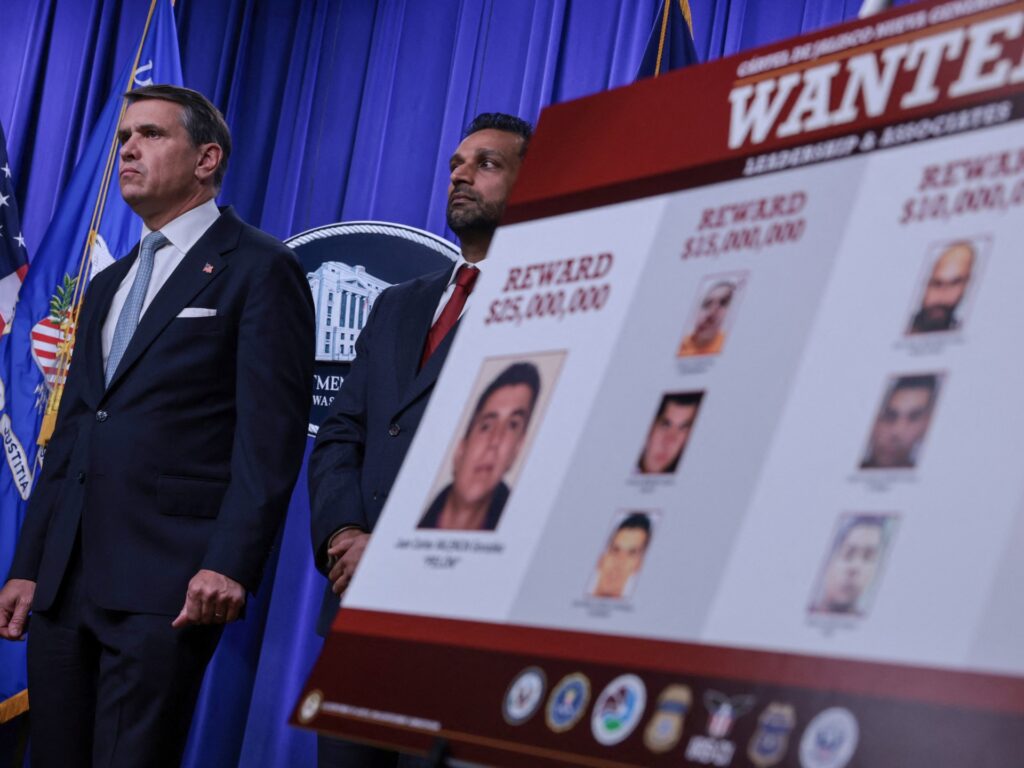
In a significant move aimed at crippling one of Mexico’s most notorious criminal organizations, the United States government has announced rewards exceeding $100 million for the capture or information leading to the arrest of eight high-ranking leaders of the Jalisco New Generation Cartel (CJNG). This announcement was made during the tenure of the Trump administration, reflecting an intensified effort to weaken the cartel’s leadership and operational capacity.
The Jalisco New Generation Cartel, known for its violent tactics and expansive drug trafficking network, has been a major target for US law enforcement agencies due to its involvement in drug smuggling, money laundering, and acts of violence both in Mexico and across the US border. The cartel is considered one of the most dangerous criminal groups operating in the region, with ties to various illicit activities.
By offering one of the highest bounties in the history of US anti-cartel efforts, the government aims to encourage public cooperation in dismantling the cartel’s hierarchy. The rewards, totaling more than $100 million, are spread across eight cartel members, indicating the significant threat they pose individually and collectively.
This initiative aligns with the Trump administration’s broader strategy to combat organized crime and drug trafficking at the source. It is a part of a comprehensive approach that includes increased financial and intelligence support to Mexican law enforcement and collaborative operations aimed at disrupting cartel activities.
The targeted individuals have been involved in orchestrating various criminal activities including drug distribution networks, violent clashes with rival groups, and corruption of public officials. The US Department of State and the Department of Justice have emphasized the importance of international cooperation in tackling these criminal enterprises.
The rewards program is expected to provide valuable incentives for insiders and informants to come forward with actionable intelligence, thereby enabling law enforcement agencies to dismantle the cartel’s infrastructure more effectively. Experts believe this approach could lead to significant arrests and weaken the cartel’s influence both in Mexico and across US borders.
While the bounties represent a direct attack on the CJNG’s leadership, they are also symbolic of the ongoing challenges faced by authorities in combatting transnational organized crime. The effort underscores the commitment of the US government to support Mexico in restoring security and stability in regions plagued by cartel violence.
In conclusion, the announcement of over $100 million in rewards for eight Jalisco cartel leaders marks a pivotal step in the fight against organized crime. It highlights not only the severity of the threat posed by the CJNG but also the resolve of the US government to use all available resources to bring these dangerous criminals to justice.