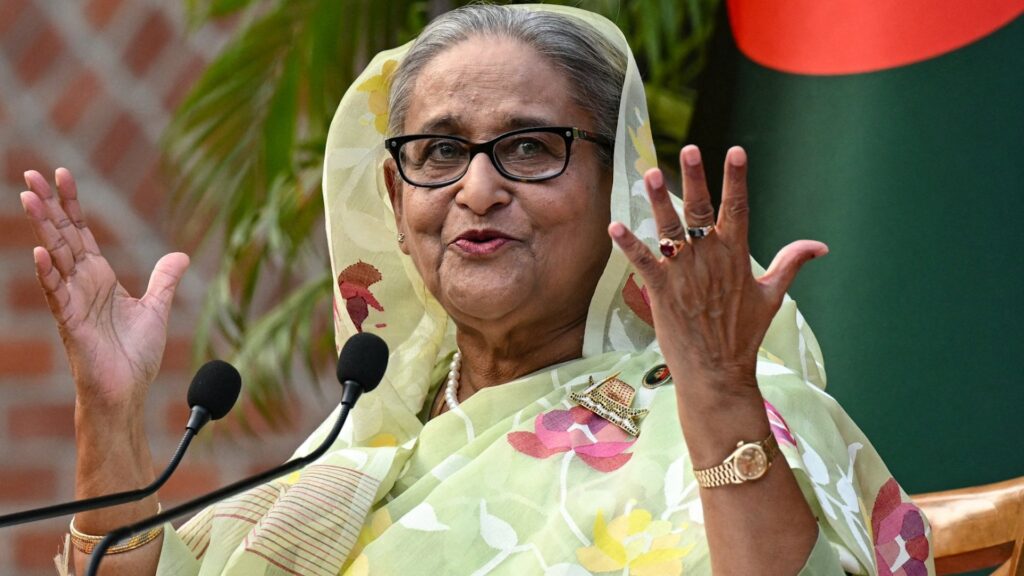
Sheikh Hasina, the deposed Prime Minister of Bangladesh, has declared her intention to return to Bangladesh in December. The announcement has sparked considerable attention both domestically and internationally, as Hasina remains a prominent figure in Bangladesh’s political landscape.
Sheikh Hasina, leader of the Awami League, was removed from power under circumstances that have been widely debated. Despite her deposition, she continues to command significant support within the country. Her promised return is seen by many as a critical moment for Bangladesh’s political future.
According to sources close to Hasina, her decision to come back is motivated by a desire to reconnect with her followers and address ongoing political issues in Bangladesh. Supporters have greeted the news with enthusiasm, seeing it as a hopeful sign for political stability.
Analysts suggest that her return could influence upcoming political developments and may lead to renewed discussions about governance and democracy in Bangladesh. However, the political environment is expected to be tense, given the history of conflict and opposition surrounding her tenure.
Opponents of Hasina have expressed concerns over potential unrest, emphasizing the need for a peaceful transition and adherence to the rule of law. Government officials have not yet commented on the specifics of her return, but security measures are anticipated to ensure public safety.
The international community is closely monitoring the situation, recognizing that Sheikh Hasina’s return could have implications beyond Bangladesh’s borders, affecting regional stability and diplomatic relations.
In summary, Sheikh Hasina’s declaration to return to Bangladesh in December marks a significant event in the country’s political chronology. It remains to be seen how her presence will impact the national dialogue and whether it will usher in a new chapter for Bangladesh’s governance and political harmony.