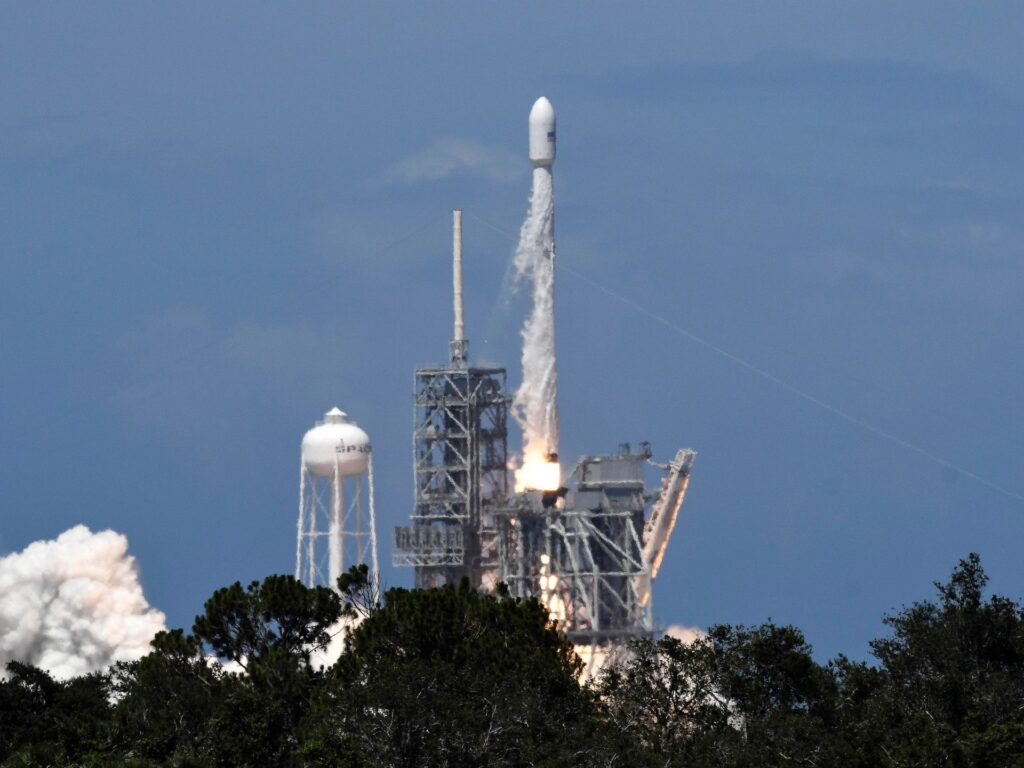
A segment from a SpaceX Falcon 9 rocket is believed to have crashed into the moon, making headlines as the object which had been floating in space since last year finally made impact. This event highlights the ongoing concerns about space debris and the trajectories of discarded rocket parts after their missions are completed.
The Falcon 9 rocket, manufactured by SpaceX, is known for its reusable design intended to reduce space mission costs. However, after completing its mission, some parts of the rocket are left in orbit or sent toward distant trajectories to dispose of them safely.
The specific segment in question was launched as part of a previous SpaceX mission and has been tracking through space for months, orbiting the Earth and eventually heading toward the Moon. Experts believe that this piece of space hardware unintentionally collided with the lunar surface, possibly creating a new crater or disturbing the lunar environment.
This event marks a rare occurrence, as space debris is more commonly found orbiting Earth rather than impacting other celestial bodies. The crash highlights the importance of space traffic management and the responsibility of companies in tracking and controlling space junk.
Space agencies and astronomers worldwide have been monitoring the impact site to gather data on the collision’s effects. Observations from lunar satellites and telescopes will help assess the impact’s scale and possible changes to the moon’s surface.
The incident opens discussions about future space missions and the need for more sustainable practices in rocket launches and debris management. While the Falcon 9 has revolutionized access to space, the incident reminds the space community that managing end-of-life rocket parts remains a challenge.
SpaceX has not officially confirmed the crash but is expected to collaborate with global space agencies to further investigate the event. This occurrence is a call to action for all stakeholders in space exploration to prioritize planetary protection and debris mitigation for the safety of future missions.
In summary, the believed crash of a SpaceX Falcon 9 rocket segment onto the moon serves as a significant moment for space debris awareness. It emphasizes the growing need for international cooperation to address the increasing traffic and potential hazards in outer space, ensuring the preservation of both Earth’s orbit environment and other celestial bodies in the solar system.