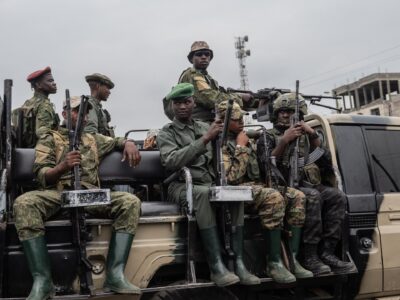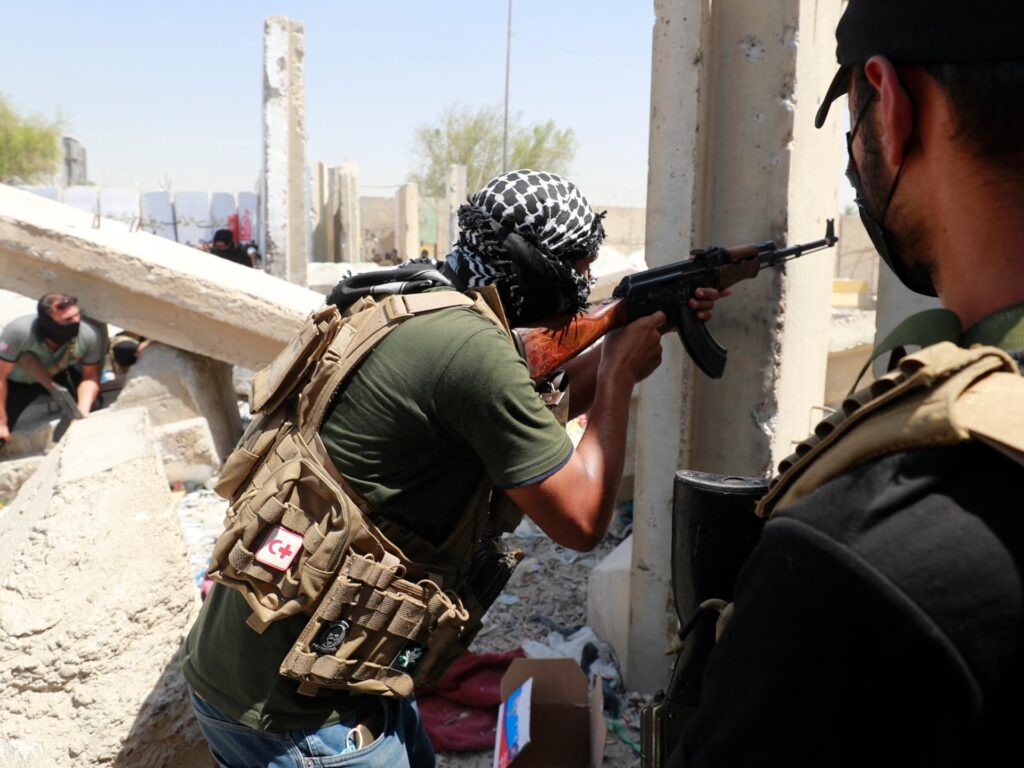
Iraq is currently grappling with a significant political and security crisis as powerful Shia paramilitaries defy government orders to disarm. The Iraqi Prime Minister faces mounting pressure with a looming deadline of September 30 for the disarmament of these armed groups. These paramilitary organizations, influential in the Shia community and armed during various conflicts, have so far resisted calls from the government and international actors to relinquish their weapons.
The refusal of the Shia militias to disarm highlights deep-rooted challenges in Iraq’s security sector reform and governance. These groups maintain considerable influence not only militarily but also politically, complicating the government’s efforts to consolidate state authority and ensure national unity.
The Iraqi government has been working to implement a disarmament plan aimed at integrating these militias into the official security forces or disbanding them to stabilize the country and reduce violence. However, the paramilitary leaders argue that they are essential for protecting their communities and maintaining security in areas where the government presence is weak or mistrusted.
The crisis escalates concerns about Iraq’s fragile political landscape, where sectarian tensions and external influences often undermine stability. The Shia militias have ties to regional powers and have played a pivotal role in the fight against ISIS, further complicating the disarmament process.
As the September 30 deadline approaches, the Iraqi Prime Minister is at a crossroads. Failure to enforce the disarmament could undermine the government’s credibility and embolden armed groups, potentially leading to increased violence and political instability. On the other hand, any attempts to forcibly disarm these groups risk sparking armed conflict, which could plunge Iraq deeper into turmoil.
International observers and Iraqi civil society have called for dialogue and a negotiated settlement to the crisis, emphasizing the importance of addressing the underlying political grievances and security concerns that fuel the militias’ defiance.
The next few weeks will be critical in determining Iraq’s path forward. The government’s ability to balance firmness with diplomacy will be key to resolving this crisis without further destabilization. The ongoing standoff serves as a stark reminder of the complex security and political challenges Iraq faces as it strives to build a cohesive and stable state after years of conflict.