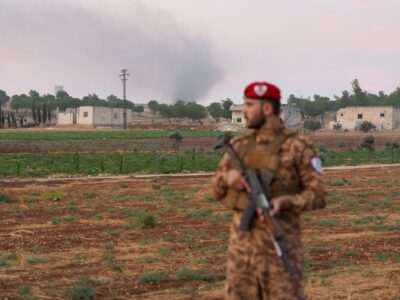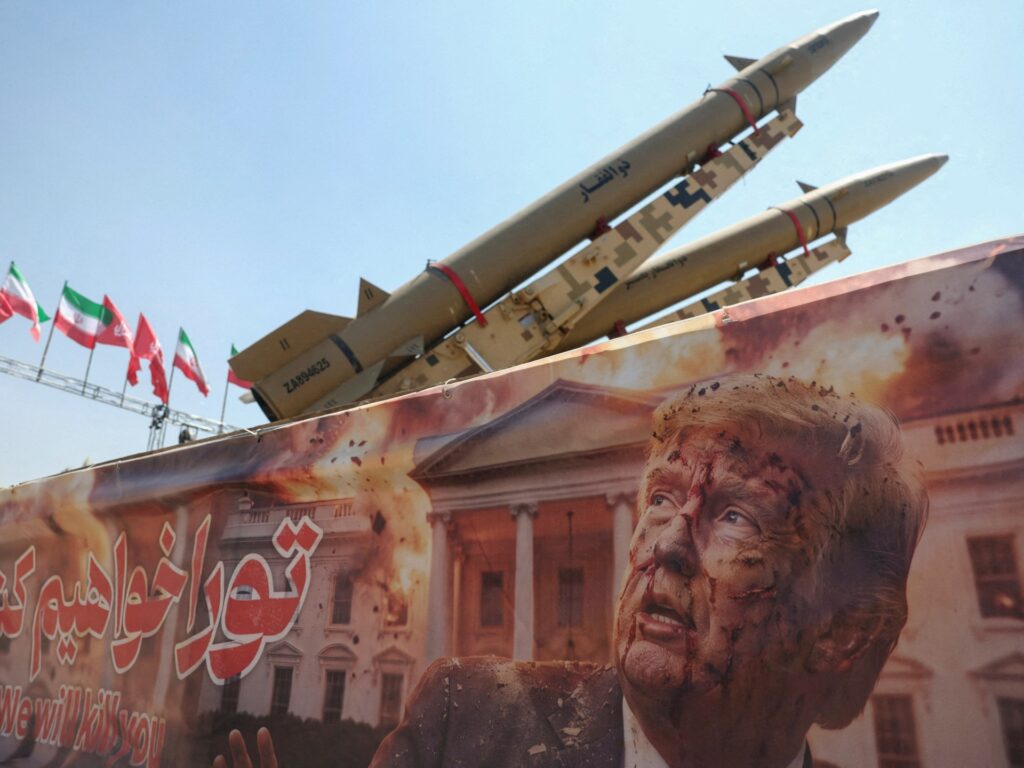
In a significant turn of events amid escalating tensions between the United States and Iran, former President Donald Trump has announced the cancellation of a planned military attack on Iran. The decision comes shortly after Iran’s top diplomat issued a stern warning of a “decisive response” to any perceived U.S.-Israel aggression.
According to sources close to the situation, both sides have reportedly agreed on the “perimeters of a deal” that has helped de-escalate what many feared could lead to outright war. This development brings a temporary reprieve in a region often fraught with conflict and uncertainty.
The cancellation of the attack was made public following intense diplomatic communications involving multiple countries seeking to prevent an all-out confrontation in the Middle East. While details of the agreement remain closely guarded, it is understood that some key parameters were established to avoid further military actions and to pave the way for renewed talks.
Iran’s warning came after a series of provocations perceived by Tehran as threats against its sovereignty, including increased U.S. military presence in the region and reported cooperation between U.S. and Israeli forces. The Iranian diplomat emphasized that Iran would respond decisively to any aggression, signaling high alert amid the geopolitical tensions.
The move by Trump to cancel the attack has been viewed by analysts as a strategic decision aimed at avoiding an unpredictable conflict with Iran, which could destabilize the entire Middle East and affect global oil markets. Many experts believe this decision underscores the delicate balance the U.S. must maintain in its foreign policy toward Iran.
International reactions to the development have been cautiously optimistic. European Union representatives highlighted the importance of diplomatic engagement and expressed hope that this incident will open new avenues for dialogue and peaceful resolution.
Meanwhile, regional actors remain vigilant. Countries in the Middle East are closely monitoring the situation, prepared for any shifts in the security landscape that could affect their own national interests.
The cancellation also raises questions about the future of U.S.-Iran relations, especially with the potential for a renewed nuclear agreement that could ease long-standing tensions. Political analysts suggest that this might mark the beginning of a more cautious and calculated phase in dealings between the two nations.
While the headlines celebrate the avoidance of immediate conflict, experts caution that the situation remains volatile. The “perimeters of a deal” are likely fragile, requiring sustained diplomatic efforts and careful management to ensure long-term peace.
In summary, Trump’s cancellation of the attack on Iran following Iran’s diplomatic warning represents a critical moment in U.S.-Iran relations. It demonstrates the power of diplomacy but also highlights the ongoing risks in an unpredictable region. Observers around the world will be watching closely as both sides navigate this delicate path toward potential stability.