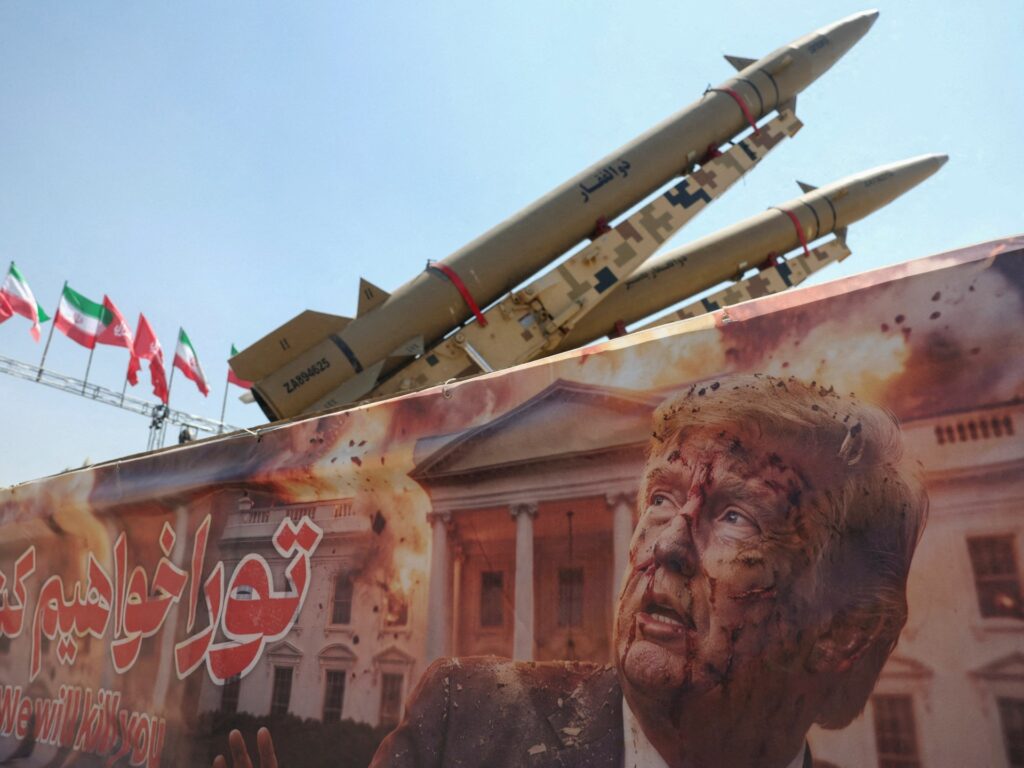
In a significant turn of events in the ongoing Iran conflict, former U.S. President Donald Trump has canceled a planned military attack on Iran. This decision comes after Trump stated that the parameters of a potential deal with Iran have been agreed upon, signaling a shift towards diplomatic resolution rather than immediate military action.
The recent escalation had kept regional and global observers on high alert, with concerns about possible conflict impacting international stability. Trump’s cancellation of the attack is seen as a move to avoid further escalation and to engage Iran through negotiation channels.
Meanwhile, in a display of active diplomatic engagement, Iran’s prominent political figure, Abbas Araghchi, has reached out to neighboring and regional powers. Araghchi engaged in separate phone calls with the foreign ministers of Turkiye (Turkey), Pakistan, and Saudi Arabia—countries that play crucial roles in Middle Eastern politics and security.
These calls are indicative of Iran’s efforts to manage regional tensions and possibly seek broader support or mediation as discussions progress. Each conversation with these key nations underscores the interconnected nature of Middle Eastern geopolitics, where alliances and rivalries heavily influence any resolution of conflicts.
Turkey, a NATO member with its own strategic interests in the region, has historically played a mediator role. Pakistan, sharing a border with Iran, has vested interests in regional stability to prevent spillover effects of conflict. Saudi Arabia, a major regional rival to Iran, being involved in diplomatic communications highlights the critical nature of these talks and the desire to prevent the situation from spiraling into wider war.
The developments signal a possible thaw in relations and a preference for diplomatic negotiation over armed conflict. International observers and governments around the world are closely monitoring the situation, hopeful that these efforts will lead to sustained peace and stability.
The international community widely supports dialogue and peaceful resolution, with many advocating for the continuation of these diplomatic engagements. Analysts suggest that while the path to complete resolution remains complex, these steps reduce the immediate risk of violent confrontation.
In conclusion, the cancellation of the attack by Trump, coupled with active diplomatic communications from Iran’s representative Araghchi to neighboring countries, highlights a pivotal moment in the Iran situation. As the world watches, these efforts may mark the beginning of a more stable, negotiated peace in the region.