In recent developments in the ongoing tensions between Iran and the United States, an Iranian official, quoted by the Tasnim news agency, has announced that Iran has formulated comprehensive plans to respond decisively to any US military strikes. This statement underscores the escalating rhetoric and heightened alertness on both sides amid concerns of potential conflict.
The official described the US strikes as potentially ‘mad,’ highlighting the gravity with which Iran views any aggressive actions by the United States. The message is clear: Iran is prepared to respond robustly to defend itself against any attacks.
The announcement comes amid a backdrop of decades-long animosity and intermittent confrontations between Iran and the US, including sanctions, diplomatic standoffs, and periodic military skirmishes in the Middle East region. Both nations have maintained a cautious stance, but statements like this raise the stakes and signal readiness for escalated conflict if provoked.
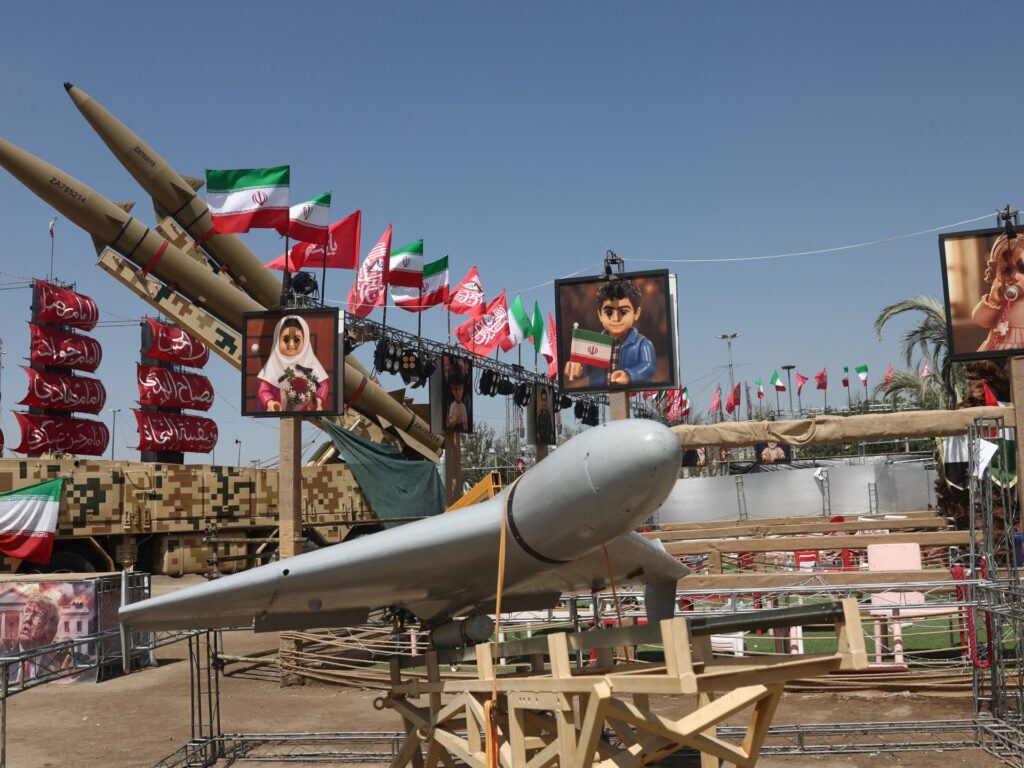
Iran’s strategic responses to possible US strikes are believed to involve a range of military and non-military measures, aimed at deterring aggression and protecting national sovereignty. These measures probably include coordinated defense mechanisms across various branches of the military, especially Iran’s missile forces and other strategic assets.
The international community closely watches these developments, with many expressing concern about the potential for wider conflict. Diplomatic efforts to de-escalate tensions continue, but the firm stance from Iran indicates a period of uncertainty ahead.
The announcement by the Iranian official reflects a broader context of military preparedness and geopolitical maneuvering that characterizes US-Iran relations. The situation remains fluid, with implications not only for the two countries directly involved but also for regional stability and global security.
Analysts emphasize the importance of diplomatic dialogue to prevent further deterioration and avoid warfare. Nonetheless, Iran’s clear warning serves as a reminder of the complexities and risks inherent in the fragile balance of power in the Middle East.
As the situation unfolds, it is vital for all parties involved to pursue peaceful resolutions and maintain open channels of communication to mitigate the risk of conflict. The international community’s role in facilitating dialogue and supporting de-escalation efforts remains crucial in preventing the outbreak of hostilities.
This development is part of a larger narrative of ongoing tension between the US and Iran, which has seen cycles of confrontation and negotiation. The confirmation of Iran’s comprehensive response plan marks a significant moment, reflecting both readiness and warning as the two nations navigate a precarious relationship.