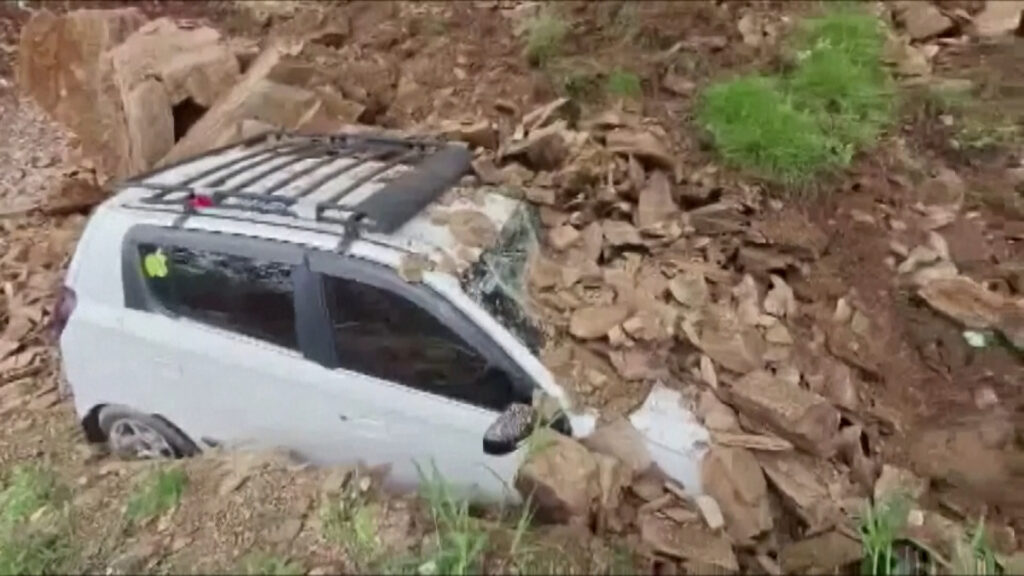
During the intense monsoon season in India, heavy rainfall triggered a significant landslide in the picturesque hill town of Shimla. This sudden event caused alarm among the local population, leading to urgent evacuation orders for the affected village located near the landslide site. The landslide swept through the area with considerable force, damaging homes and infrastructure and creating a critical safety risk for residents.
Authorities acted swiftly to coordinate evacuation efforts, moving villagers to safer locations to prevent injuries or fatalities. Emergency services, including local police and disaster response teams, are actively involved in managing the situation and providing aid to those displaced by the disaster.
Early investigations have pointed towards the possible role of a nearby construction firm in exacerbating the landslide risk. Allegations have surfaced that the construction activities, possibly lacking proper environmental and safety assessments, may have weakened the soil stability, making the area more susceptible to landslides during heavy rains.
Experts emphasize that landslides are a common hazard in the Himalayan region during monsoon season due to the steep terrain and heavy precipitation. However, unsustainable development practices, such as deforestation and improper construction, can significantly increase the likelihood and impact of such natural disasters.
Residents have expressed their concerns and frustration, demanding accountability from the construction company and stricter regulations to prevent future incidents. Environmentalists and local activists are also calling for comprehensive reviews of all ongoing construction projects in the region to ensure compliance with safety and environmental standards.
The government has assured the public that a thorough investigation will be conducted to determine the exact causes of the landslide and to hold any responsible parties accountable. In the meantime, efforts are focused on stabilizing the affected area, providing relief to displaced families, and restoring essential services.
This incident underscores the critical need for sustainable development and disaster preparedness in vulnerable mountain communities, especially in the face of increasing climate variability and extreme weather events. Continuous monitoring, improved land-use planning, and community awareness are key strategies to mitigate the risks posed by landslides and other natural disasters in hilly regions like Shimla.
As monsoon rains continue, the situation remains fluid, with authorities on high alert to respond to any further threats. The solidarity and resilience of the Shimla community, combined with effective governance and responsible development, will be crucial in overcoming this challenge and safeguarding lives and livelihoods in the future.