In a recent development that has stirred tensions in the occupied territories, Israeli authorities have imposed a ban on Jerusalem’s grand mufti, preventing him from entering the Al-Aqsa Mosque for one week. This incident is part of a broader pattern of Israeli measures and restrictions in the occupied Palestinian territories, especially escalating since the onset of what is widely referred to as the Gaza genocide.
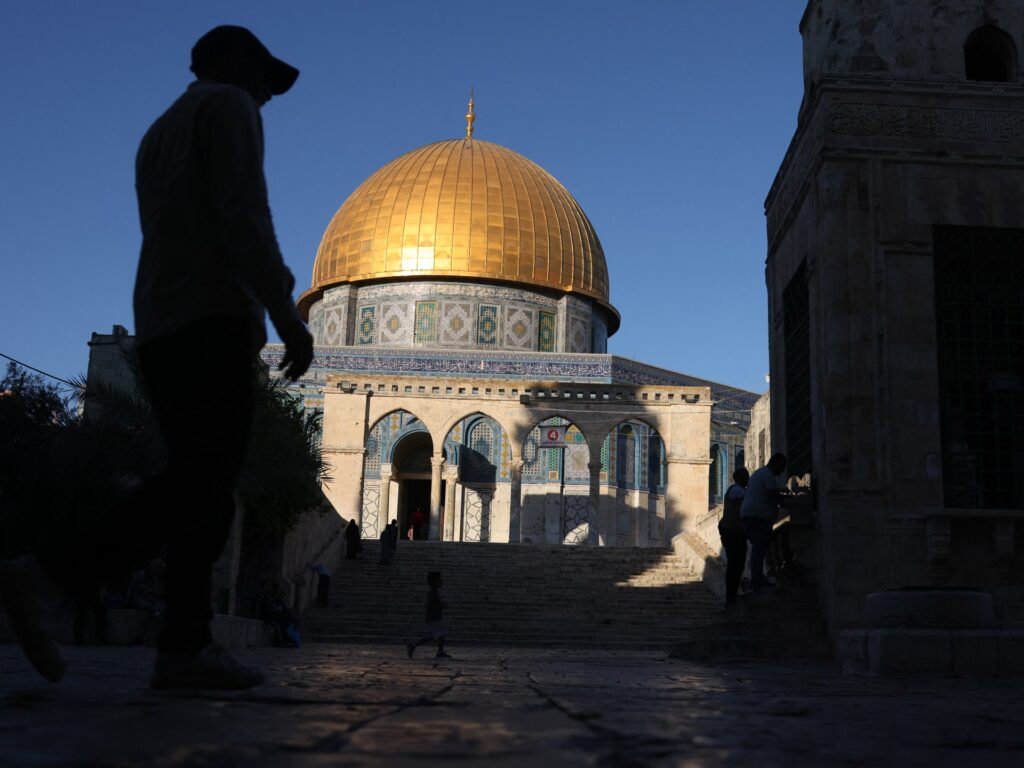
The grand mufti of Jerusalem, a prominent religious leader who holds significant influence among Palestinian Muslims, was barred from the Al-Aqsa Mosque, the third holiest site in Islam. This mosque is located in East Jerusalem, an area that has seen ongoing conflict and disputes over sovereignty. The banning of the mufti is seen by many as a provocative move that further undermines Palestinian religious and civic rights in the city.
This ban aligns with an increasing number of restrictions and actions taken by Israeli authorities aimed at limiting Palestinian access to important religious sites and curbing political expressions in East Jerusalem. The Al-Aqsa Mosque compound has frequently been a flashpoint of violence and confrontation, reflecting larger political and religious disputes between Israelis and Palestinians.
Since the start of the Gaza conflict, Israeli security measures have intensified. There are growing concerns among human rights groups and international observers about the impact of Israeli policies on the freedom and safety of Palestinians living under occupation. The Gaza genocide has resulted in a humanitarian crisis, with widespread casualties and destruction.
The mufti’s ban comes amid these fraught circumstances and is perceived as more than just a religious restriction—it embodies a wider strategy to maintain control over the contested city and its symbolic sites. Local Palestinian leaders and activists have condemned the ban, calling it an infringement on religious freedoms and an attempt to silence Palestinian voices.
The international community has raised concerns on multiple occasions about the status of Jerusalem and the protection of its holy sites for all faiths. The recent ban is seen as a setback in efforts to find peaceful solutions and uphold the principle of shared religious respect.
Analysts suggest that the move could exacerbate tensions on the ground, potentially leading to more protests and violent confrontations. The Al-Aqsa Mosque holds deep cultural and religious significance, and any attempt to restrict access to it is likely to provoke both local and international backlash.
The situation remains volatile, with many calling for renewed dialogue and negotiations to ensure that religious freedoms are respected and that the rights of Palestinians in Jerusalem are protected. The ban on the grand mufti highlights the ongoing challenges faced in the quest for peace and stability in the region.
As the international spotlight remains on the Gaza conflict, developments in Jerusalem, such as this ban, serve as stark reminders of the complex and deeply rooted issues that continue to drive the Israeli-Palestinian conflict. The hope among many remains that through dialogue, mutual respect, and international mediation, a lasting resolution can be achieved to allow all communities in Jerusalem to coexist peacefully and with respect for their religious heritage.