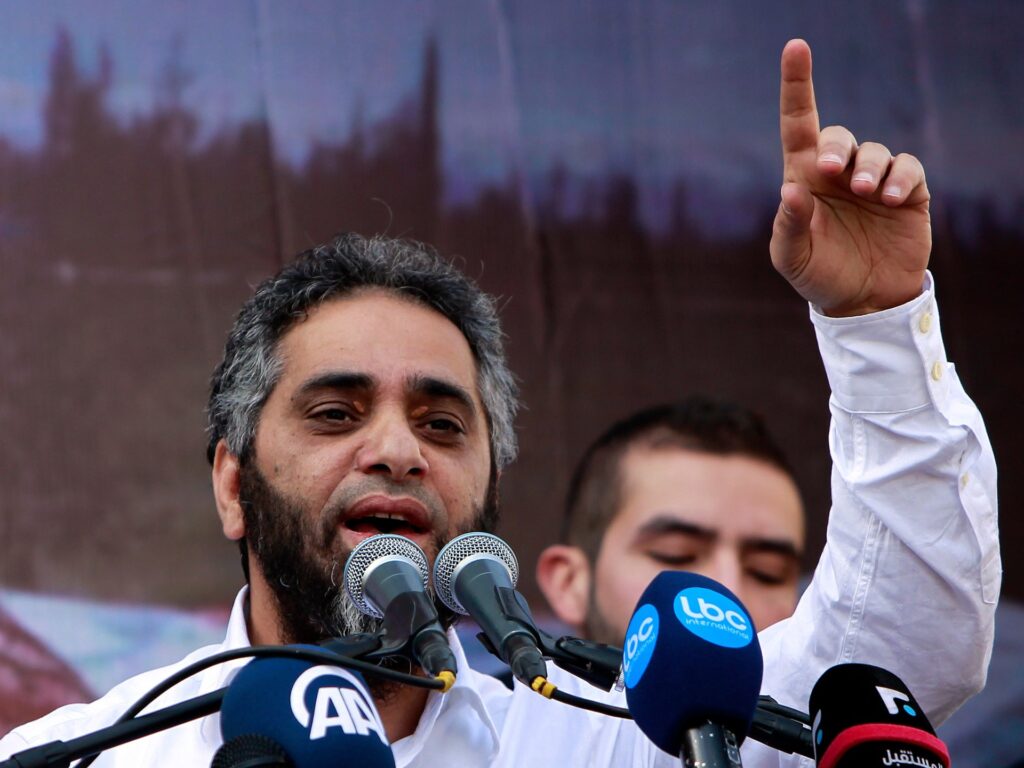
Fadel Shaker, a renowned Lebanese pop star, gained widespread fame and admiration for his melodious voice and captivating performances throughout the Middle East. Rising to prominence in the late 1990s and early 2000s, Shaker’s music career was marked by numerous hit songs and successful albums that solidified his place as one of the leading voices in Arabic pop music.
However, Shaker’s life took a dramatic turn in 2012 when he abruptly decided to quit his music career. The reason behind this sudden decision was later linked to his alleged involvement with an armed group in Lebanon, a claim that cast a shadow over his previously acclaimed artistic persona. The accusations brought significant media attention and controversy, stirring debates about the intersection of art, politics, and personal choices in volatile regions.
In recent developments, Fadel Shaker was released on bail, allowing him temporary freedom while legal processes continue to unfold. This release has sparked a renewed public interest in his situation and reignited discussions about the pressures and complexities faced by public figures caught in political conflicts.
Shaker’s initial success in the music industry can be attributed to his unique vocal style and emotional depth, which resonated with millions of fans across the Arab world. His songs often featured themes of love, longing, and social issues, making him a beloved figure among diverse audiences.
The accusations against him included alleged connections to militant activities, which he and his supporters have denied, emphasizing that his actions were misunderstood and misrepresented. Despite these claims, the legal challenges have undoubtedly impacted his career, forcing an extended hiatus from the public spotlight.
Critics and supporters alike have expressed concern about the implications of Shaker’s case on the broader artistic community in Lebanon and beyond. Many argue that artists should be protected and allowed to express themselves freely without fear of political retaliation or persecution.
The case of Fadel Shaker highlights the complex dynamics in Lebanon, where art, politics, and security issues are often deeply intertwined. It also raises questions about the role of celebrities in politically charged environments and the consequences they face when caught in such conflicts.
As Fadel Shaker awaits the outcome of the legal proceedings, fans hope for a resolution that allows him to return to the music scene. His legacy as a talented singer remains intact, albeit clouded by the controversies that abruptly altered his career path.
In summary, Fadel Shaker’s journey from a celebrated Lebanese pop icon to a figure embroiled in legal and political struggles embodies the challenges faced by artists in turbulent regions. His release on bail marks a new chapter in his tumultuous story, with many watching closely to see what the future holds for this once-beloved singer.