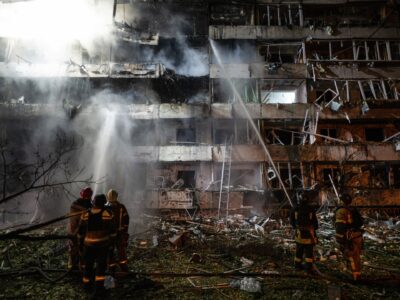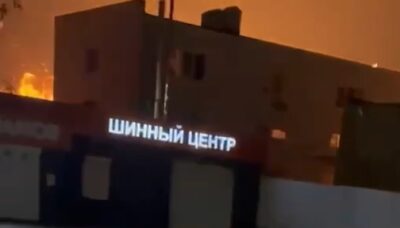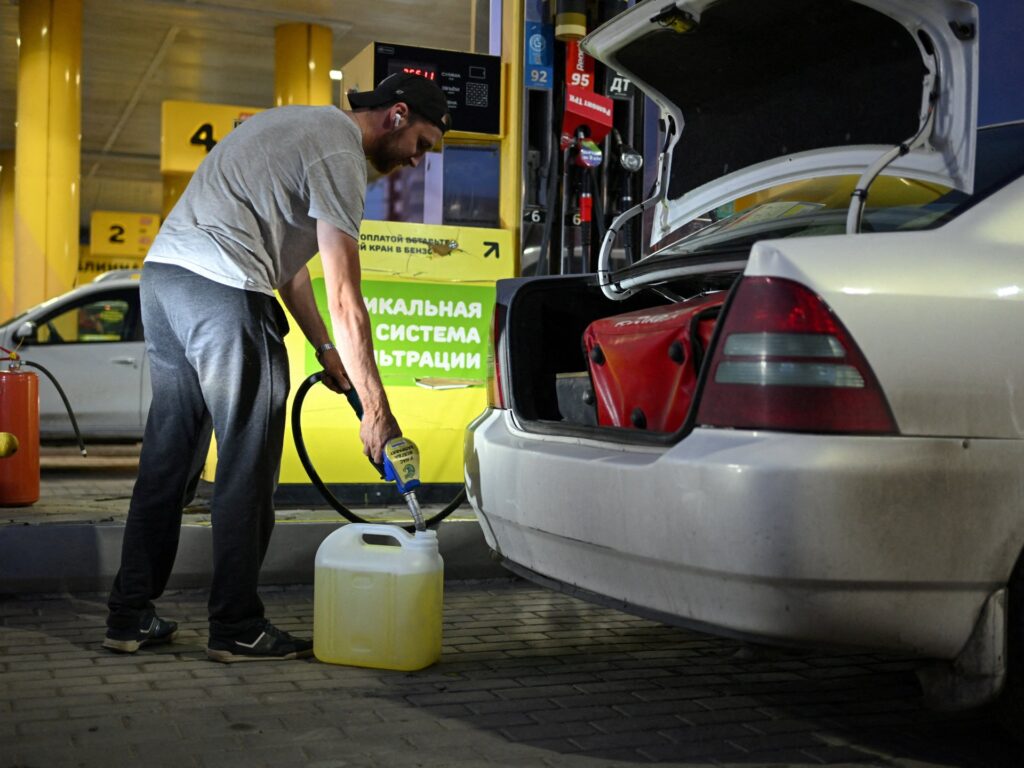
In a strategic move amid ongoing conflict, Ukraine has escalated its efforts to choke the fuel supply to Crimea and Russian consumers, aiming to undermine military logistics and operations. Ukrainian unmanned systems have successfully cut off overland fuel routes, a critical supply line utilized by Russian forces and shadow operators providing fuel clandestinely.
This tactical disruption focuses particularly on shadow tankers, unmarked and unofficial fuel carriers that have been essential in bypassing sanctions and restrictions to maintain energy flow to Russian military and civilian sectors in contested regions.
The operation signifies a shift in Ukrainian tactics, harnessing advanced unmanned technology to precisely target logistical nodes that are vital to Russian military sustenance. This impedes the effectiveness and mobility of Russian forces, complicating their operational capabilities in Crimea.
Fuel, a lifeblood resource for military vehicles, artillery, and equipment, is now being strategically constrained by Ukraine’s targeted campaigns. The impact of Ukrainian unmanned strikes on these shadow tankers also sends a broader message about the vulnerability of covert supply lines in the region.
This move is expected to heighten tensions and exacerbate the logistical challenges faced by Russian forces amid the protracted conflict. For Ukraine, the targeting of these critical supply lines is part of a broader campaign to degrade Russian military strength and assert leverage in the ongoing conflict over Crimea and neighboring territories.
Analysts suggest that sustained disruption of fuel supplies could have long-lasting effects on the operational readiness of Russian military units, slowing down movement and reducing the capacity for prolonged engagements.
Meanwhile, the international community watches closely as the conflict dynamics evolve with the integration of unmanned systems into warfare strategies. The success of Ukraine’s fuel supply choke point reflects the increasing role of technology in modern conflicts, where control over logistics and supply chains can decisively influence the outcome.
The Ukrainian government has not only targeted overland fuel routes but also issued warnings regarding continued efforts to disrupt maritime and aerial supply channels, aiming to create a comprehensive blockade that could isolate Russian forces in Crimea.
In response, Russian authorities have reportedly increased security measures around their fuel transportation networks, utilizing heightened surveillance and possibly deploying additional military resources to protect their supply lines.
Observers note that the reliance on shadow tankers underscores the complexity of the logistical network sustaining Russian military operations in disputed regions, highlighting vulnerabilities that Ukrainian forces are now exploiting.
This strategy of targeting fuel supplies appears to be part of a larger Ukrainian approach to weaken Russian military logistics through precision strikes and technological superiority, potentially reshaping the operational environment in favor of Ukraine.
As the conflict continues, the effectiveness of Ukraine’s unmanned systems and their ability to maintain pressure on critical supply routes will be pivotal in the unfolding military dynamics of the region.
The ongoing fuel supply disruptions reflect not only military strategy but also the broader geopolitical struggle for control and influence over Crimea, a region of significant strategic importance and symbolic value.
Ukraine’s focus on stealing the fuel lifeline highlights the increasing sophistication and resolve of Ukrainian forces in employing technological tools to offset conventional military disadvantages.
The developments have drawn international attention to the role of unmanned systems and logistical warfare in modern conflicts, illustrating how energy supply lines are now frontlines in the struggle for dominance in contested territories.
Experts continue to analyze the implications of these supply chain disruptions, with expectations that the situation may further escalate if fuel shortages begin to severely impact Russian military capabilities.
In summary, Ukraine’s concerted efforts to choke fuel supplies to Crimea and thwart Russian consumers through advanced unmanned systems represent a critical phase in the conflict, emphasizing the strategic value of logistics in modern warfare and the evolving nature of military engagements in the region.