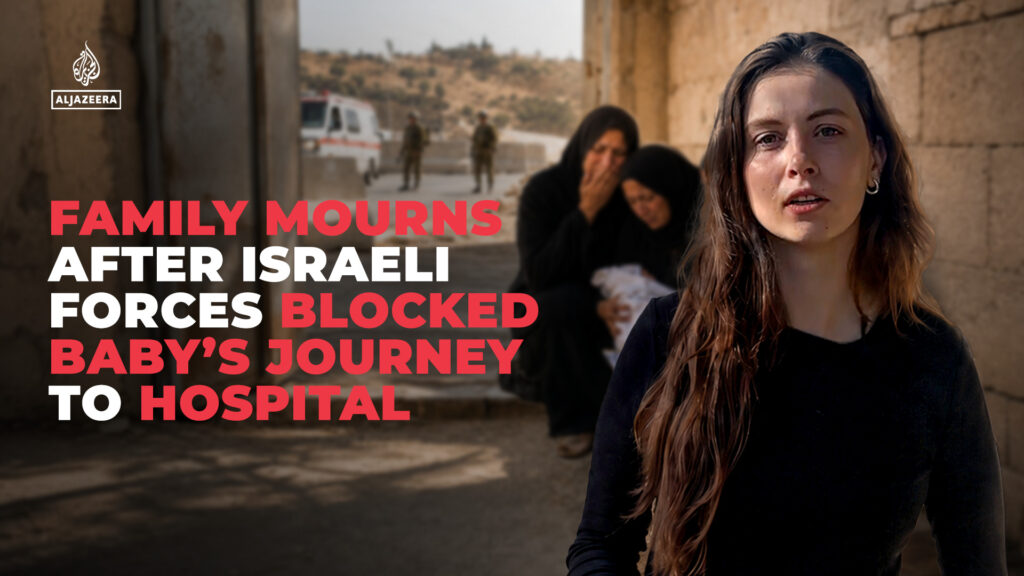
In a heartrending incident, the family of Ahmad Zaid, a three-month-old infant, received both his birth certificate and death certificate on the very same day, underscoring a tragic loss that has deeply affected the community. Ahmad’s journey to the hospital was blocked by Israeli forces, a situation that has brought considerable grief and sparked significant concern regarding the access to urgent medical care in conflict zones.
The child’s family had hoped for a safe passage to the hospital during a critical moment. Unfortunately, the blockage prevented timely medical intervention, which could have potentially saved the infant’s life. This tragic outcome has highlighted the severe consequences of restricted movement in areas of tension and conflict.
The incident has drawn attention from human rights organizations, health advocates, and various international observers who emphasize the imperative need for humanitarian corridors and unimpeded access to medical facilities for civilians, particularly vulnerable populations like infants and the elderly.
Ahmad’s death certificate, issued on the same day as his birth certificate, stands as a stark and sorrowful reminder of the urgent need for policies prioritizing humanitarian access over political and military considerations. The family’s loss has prompted calls for accountability and reassessment of the measures that lead to such devastating outcomes.
This heartbreaking event has not only devastated Ahmad’s immediate family but has also underscored the broader human cost of ongoing tensions and conflicts in the region. It serves as a grave reminder for the international community about the importance of protecting civilian lives amidst geopolitical struggles.
Authorities and humanitarian groups are advocating for reinforced measures to ensure that no family has to endure such a loss again. The hope remains that every newborn and every patient will be granted the dignity and care they deserve, free from the barriers of conflict or militarized control.
Ahmad Zaid’s short life, marked profoundly by the circumstances of his passing, has become a symbol of the urgent human rights issues surrounding medical accessibility in contested areas. His story calls for renewed efforts to ensure that such tragedies are prevented and that all human beings have the right to timely medical care irrespective of the political backdrop.
As the family mourns, their community and the world at large stand with them in grief and in a unified call for change to safeguard life and dignity for all children and families facing similar hardships in conflict-affected areas.