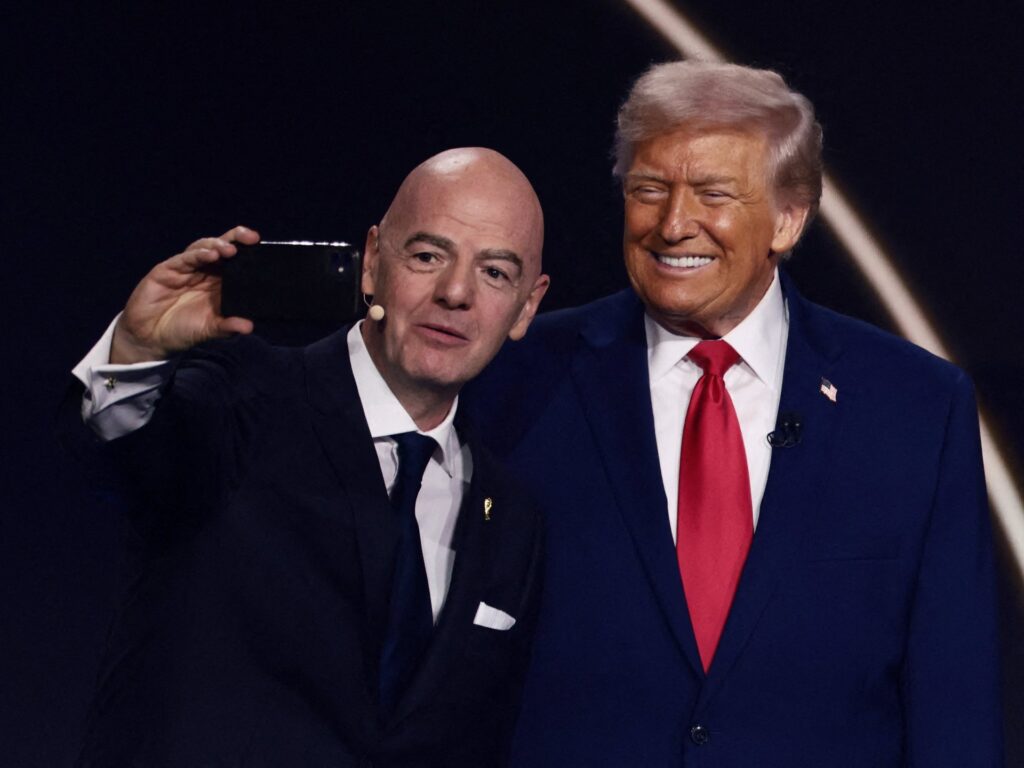
In recent developments, European Union lawmakers have called for a comprehensive investigation into FIFA President Gianni Infantino amid growing concerns over governance and transparency within the global football governing body. The call for a probe comes after a series of controversies and allegations surrounding Infantino’s conduct and FIFA’s management under his leadership.
European Parliament members have expressed serious apprehensions regarding FIFA’s operations, emphasizing the need to ensure accountability and uphold the integrity of international football. The concerns reportedly stem from financial irregularities, decision-making processes, and the overall transparency of the institution.
Gianni Infantino, who has been at the helm of FIFA since 2016, has faced criticism over alleged conflicts of interest, lack of transparency in the awarding of major football events, and governance reforms that critics argue have not significantly improved the organization’s ethical standards. The EU lawmakers’ demand signifies increased scrutiny from international bodies beyond the conventional sports regulators.
This call for an independent inquiry highlights the broader context of recent scandals that have shaken the foundation of global football governance. FIFA has historically been plagued by corruption scandals, and Infantino’s presidency promised reform and a new era of openness. However, these recent calls indicate that many believe the changes have been insufficient.
The European Union’s involvement is particularly noteworthy, as the bloc represents a significant stakeholder in global football both economically and in terms of fan base. By urging this probe, EU lawmakers aim to reinforce the principles of transparency, fairness, and legal compliance in the organization.
Critics argue that without stringent oversight, FIFA risks continued erosion of public trust, which could impact the sport’s development and global reputation. They advocate for stringent measures to ensure that FIFA’s activities, particularly those involving lucrative broadcasting rights, sponsorship deals, and tournament hosting selections, are conducted above board.
The move by the EU legislators is expected to increase pressure on FIFA’s governing council and may result in formal investigations or calls for governance reforms. It also reflects growing demands from fans, players, and football associations for clearer ethical standards and accountability measures within the sport.
As this situation unfolds, stakeholders in the football world, including national associations, clubs, sponsors, and fans, will be closely watching how FIFA responds to these serious allegations and calls for increased scrutiny. The outcome could shape the future governance of football worldwide.
In conclusion, the EU lawmakers’ demand for a probe into FIFA President Gianni Infantino highlights the critical need for transparency and accountability in football’s governing institutions. It underscores ongoing challenges faced by FIFA and the international football community in ensuring integrity and trust in one of the world’s most beloved sports.