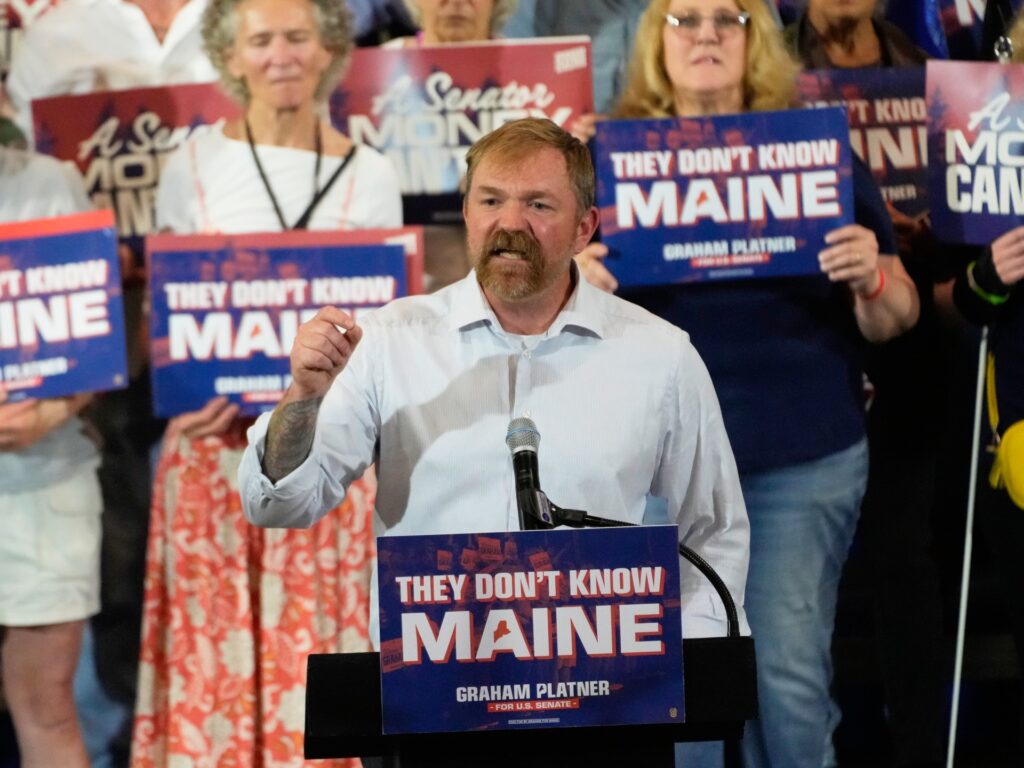
Graham Platner’s recent decision to withdraw from the Maine Senate race has sent ripples through the political landscape, especially within the Democratic Party. Platner, who had emerged as a formidable candidate with widespread popularity, was viewed as a strong contender capable of securing the seat for the Democrats in the upcoming midterm elections. His exit has sparked a scramble among Democrats to find a candidate who can match his appeal and maintain the party’s momentum in this crucial battleground state.
Platner’s candidacy was initially hailed for his ability to connect with a broad spectrum of voters, from progressive activists to moderate constituents. His campaign strategy emphasized key issues such as healthcare reform, environmental protection, and economic revitalization, resonating well with Maine’s diverse electorate. His popularity was considered a significant asset for the Democrats, who see Maine as a pivotal state for expanding their Senate majority.
With Platner stepping down, Democrats face the daunting task of quickly identifying and rallying behind a new candidate. The urgency stems from the need to consolidate support and avoid a fragmented primary that could weaken the party’s position against Republican opponents. Several potential candidates are now under consideration, but none have yet matched Platner’s name recognition or cross-party appeal.
Observers note that the timing of Platner’s withdrawal is particularly challenging, as it comes close to critical campaign milestones and fundraising deadlines. Effective fundraising is crucial for any Senate campaign, and Platner’s ability to attract donors was seen as another pillar of his campaign strength. Without him, the Democrats must work harder to generate enthusiasm and secure financial backing for their new nominee.
The move also forces the Maine Democratic Party to reassess its campaign strategy. Platner’s messaging had successfully navigated Maine’s political landscape, which includes a mix of urban and rural areas with distinct priorities. Whoever steps into his shoes will need to quickly adapt and build a campaign that resonates across these diverse communities.
Republicans, on the other hand, may view Platner’s exit as an opportunity to gain ground in Maine. They are likely to intensify their efforts to capitalize on the Democrats’ sudden vulnerability. The GOP is expected to field a strong candidate, leveraging this moment to energize their base and attract undecided voters.
Political analysts suggest that the Democrats’ response in the coming weeks will be critical. Selecting a candidate with both popular appeal and a clear, compelling platform will be essential for maintaining their electoral prospects in Maine. The party’s ability to unify behind a new figure and mobilize grassroots support will also be key factors in the race’s outcome.
In sum, Graham Platner’s withdrawal from the Maine Senate race represents a significant setback for Democrats at a time when maintaining control of the Senate is closely contested. However, it also opens up a critical moment for the party to demonstrate resilience and effective candidate selection. How they navigate this challenge could have lasting implications not only for Maine but for the broader national political landscape as the midterm elections approach.