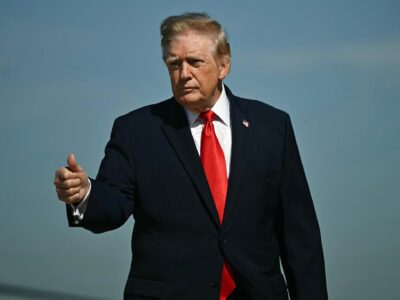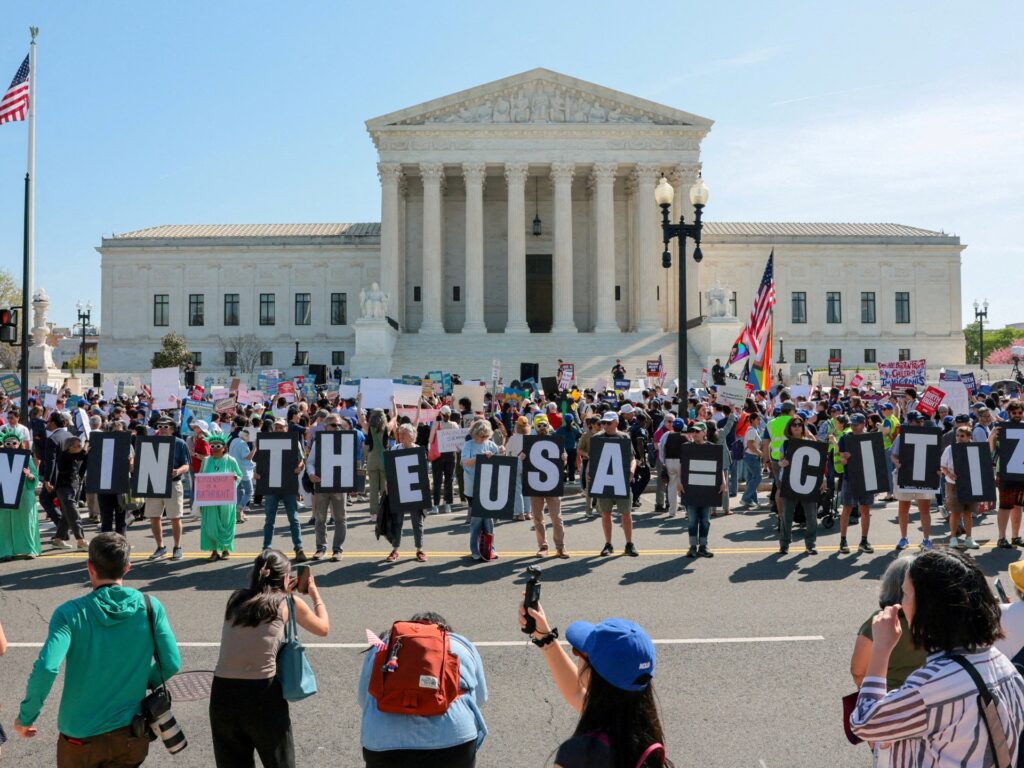
Former President Donald Trump is set to ask the United States Supreme Court for a new hearing on the contentious issue of birthright citizenship. This development comes after the Supreme Court’s June decision rejecting Trump’s executive order aimed at ending automatic citizenship for individuals born on US soil.
Birthright citizenship, guaranteed under the 14th Amendment of the US Constitution, has long been a foundational principle of American nationality law. It grants citizenship to anyone born in the United States, regardless of their parents’ immigration status. Trump’s administration challenged this constitutional provision, arguing that it should be revoked or limited.
In June, the Supreme Court firmly turned down the attempt to dismantle birthright citizenship, reaffirming its legal protections and the broad interpretation of the 14th Amendment. Despite this setback, Trump is not ceasing efforts and plans to petition the Court to reconsider the ruling.
Supporters of Trump assert that ending birthright citizenship would prevent illegal immigration abuses and reduce incentives for so-called “birth tourism,” where foreign nationals have children in the US to secure citizenship rights. They argue such a move would strengthen immigration control and preserve national sovereignty.
Opponents strongly defend birthright citizenship as an essential safeguard for civil rights and equality. They warn that altering this policy could lead to mass disenfranchisement, create a stateless population of US-born children, and discriminate against minorities.
Legal experts suggest that the Supreme Court’s refusal to revisit the issue in June signals strong judicial commitment to upholding the 14th Amendment. However, the complexity and political sensitivity may prompt the Court to hear the case again if new arguments or evidence emerge.
The controversy surrounding birthright citizenship encapsulates broader debates over immigration, identity, and constitutional interpretation in the United States. As the nation grapples with these challenges, the forthcoming legal maneuvers by Trump will be closely watched by both advocates and critics.
The Supreme Court’s final stance on this matter will have profound implications for immigration policy and the definition of American citizenship for generations to come.