Fifteen years after gaining independence, South Sudan remains embroiled in struggles to achieve lasting peace amidst ongoing conflicts, deepening humanitarian crises, and economic difficulties.
Emerging as the world’s youngest nation, South Sudan’s journey since its independence has been fraught with challenges. The initial hope following its separation from Sudan in 2011 has been overshadowed by persistent internal conflicts, political instability, and economic hardships that continue to undermine development efforts.
The peace process in South Sudan, aimed at ending years of civil war and unrest, has repeatedly stalled. Multiple peace agreements have been brokered between rival factions, but implementation has often faltered due to mistrust, power struggles, and lack of cohesion among political and armed groups. As a result, violence sporadically flares, displacing communities and exacerbating insecurity across the country.
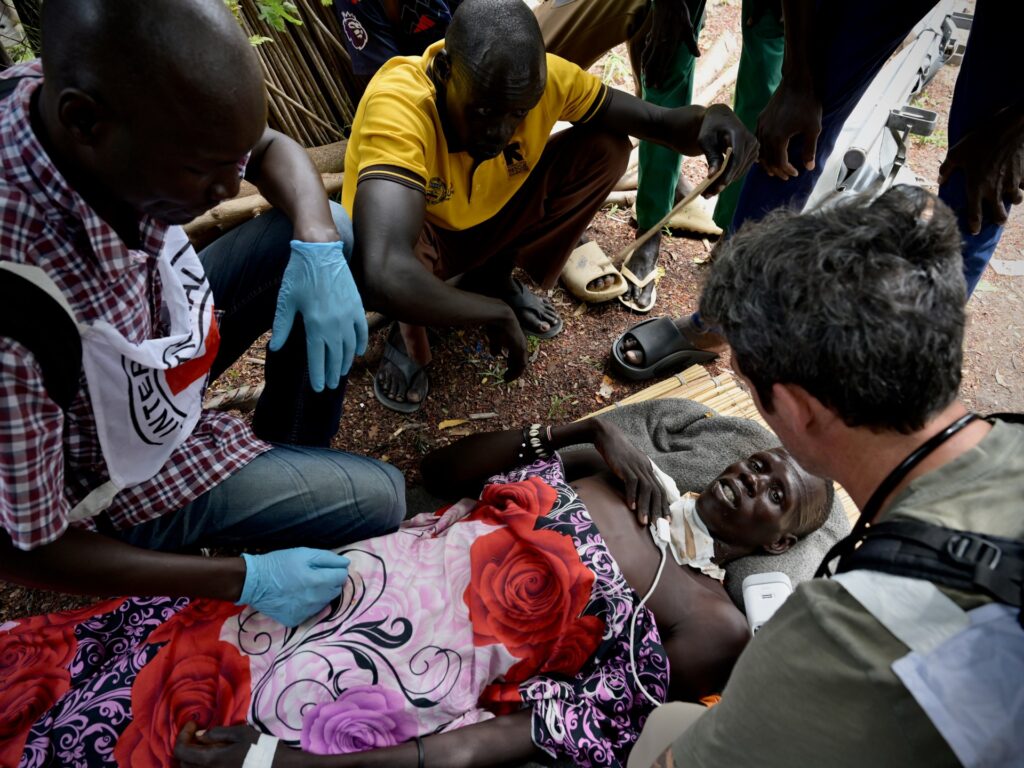
These conflicts have had a dire impact on South Sudan’s population, contributing to one of the world’s most severe humanitarian emergencies. Millions of people face food insecurity, malnutrition, and lack of access to basic services such as healthcare, clean water, and education. Internally displaced persons and refugees have increased dramatically, placing immense pressure on neighboring countries and international aid organizations.
Economically, South Sudan struggles with dependency on oil revenues which have been disrupted by conflict. The nation grapples with inflation, unemployment, and infrastructure deficits. Efforts to diversify the economy and improve governance have been slow, hindered by ongoing instability.
Despite these challenges, efforts to foster peace and development continue. Regional bodies, international partners, and local leaders remain engaged in facilitating dialogue and support. Grassroots peace initiatives and community reconciliation programs are also underway to build trust and social cohesion.
The path forward for South Sudan is complex, requiring sustained commitment to peacebuilding, inclusive governance, and economic recovery. There is an urgent need for comprehensive strategies that address root causes of conflict and deliver humanitarian assistance effectively.
South Sudan’s experience over the past 15 years underscores the difficulties faced by newly independent nations in building stable societies. The global community’s support remains crucial in helping this young nation realize its aspirations for peace, stability, and prosperity.